Israel Strikes Lebanon, Gaza After Worst Attacks Since 2006 War
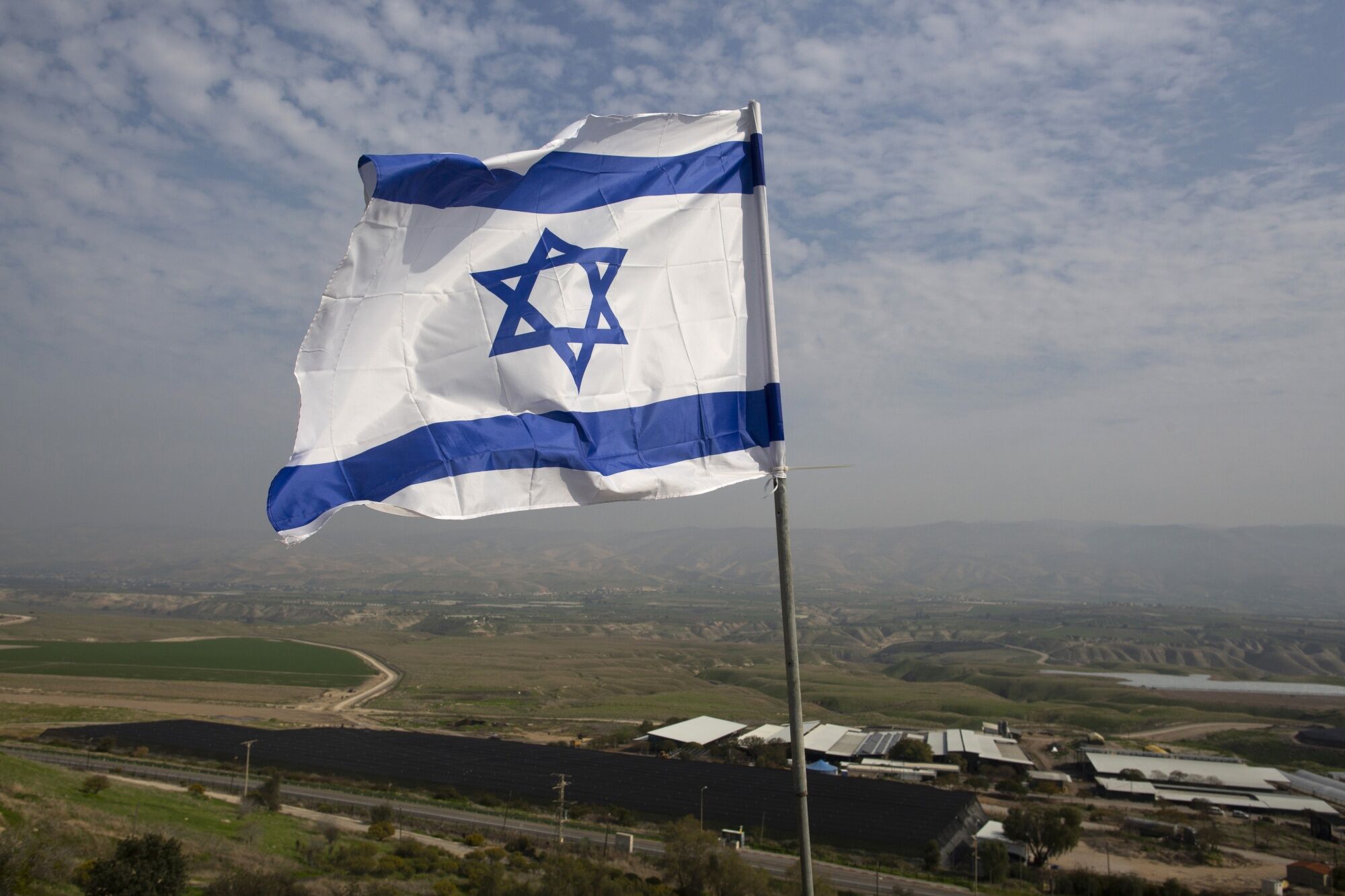
(Bloomberg) -- Israel struck Hamas targets in Lebanon and the Gaza Strip following the most sustained barrage of rockets since a 2006 war.
Israel Defense Forces “attacked infrastructure targets and targets of the terrorist organization Hamas in southern Lebanon,” it said on Twitter on Friday, saying it holds the government in Beirut responsible for any fire from its territory. Israel's military later said it was also attacking the Gaza Strip.
The military action came after at least 34 rockets were fired into northern Israel from Lebanon, of which 25 were successfully intercepted, according to the Israeli army. Six rockets fell in Israeli territory and two caused damage.
Two people in the Galilee region were injured, including a man hit by shrapnel and a woman as she ran to a shelter, according to the Israeli medical aid society Magen David Adom.
Lebanese Prime Minister Najib Mikati condemned the rocket attacks launched from the southern part of the country, state-run National News Agency reported. He said the army was investigating the incident, and stressed the need to avoid any escalation that could destabilize the situation.
The fresh confrontation coincides with an escalation in Israel's shadow war with its main regional enemy Iran, which supports militant groups committed to Israel's destruction like Hezbollah in Lebanon and Islamic Jihad in the Palestinian territories.
President Joe Biden has been briefed and US officials continue their dialogue with their Israeli counterparts on this and other issues, according to the National Security Council. “We're very concerned about the violence there,” John Kirby, a spokesman for the council, told reporters. “We call on all sides to de-escalate.”
Hezbollah, as well as Palestinian groups, have been behind past rocket attacks from Lebanon.
Hamas and Islamic Jihad are believed to be responsible this time, with Hezbollah assumed to have known about the attacks, said Lieutenant Colonel Richard Hecht, an Israeli military spokesman.
Tensions have been building with the weeklong Jewish Passover holiday overlapping with the holy Muslim month of Ramadan. Late Wednesday, renewed clashes broke out between Israeli police and Palestinians inside the Al-Aqsa Mosque in Jerusalem, a flashpoint.
The state-run Lebanese news agency said Israel struck back with artillery fire, which the Israeli army denied. Sirens sounded in the towns of Shlomi and Moshav Betzet and in the Galilee region.
Earlier, seven surface-to-air rockets exploded in midair without being intercepted after being launched from Gaza toward southern Israel and the Gaza Strip Sea, the Israeli military said.
Israeli police used force to remove people at Al-Aqsa, which lies in a hillside spot sacred for both Muslims and Jews and has sparked conflict in the past, for the second time Wednesday. They said they intervened in the compound after mostly masked men tried to barricade themselves inside, throwing stones and fireworks.
Hamas denounced the Israeli police action at Al-Aqsa, having earlier urged Palestinians to go to the holy site and barricade themselves in to prevent Jews who might seek to enter as part of Passover observance.
The last conflict with Hamas was 11-day fighting that took place in May 2021.
More stories like this are available on bloomberg.com
©2023 Bloomberg L.P.

-
The Economic Imperative: Analysing The Material Driving Force Behind India-Canada Strategic Reset

This economic complementarity is further reinforced by deep institutional investment ties and talent mobility, which form the bedrock of the bilateral framework.
-
Medicine Pricing: Where Must Profit Stop?
India must confront excessive margins, hidden incentives and regulatory gaps that threaten the integrity of medicine.
-
Why Amazon And Flipkart Are Struggling To Beat Meesho In India's Smaller Cities
With 274 million users and lowest-cost logistics, Meesho is defending its value commerce crown against giants like Amazon and Flipkart.
-
High US Salaries, No Green Card Certainty: The Financial Calculation Facing Indian H-1B Families
The suspension of PERM processing at eight technology employers does not cancel existing H-1B visas. What it does is force a question many Indian families have been avoiding: is the US salary worth tying your career and family plans to one employer?
-
Swiggy vs Eternal: Food Delivery's Two Rivals Are No Longer In The Same Race
Eternal is building a private AI assistant, dark.ai. Swiggy is still working out how to make Instamart pay, with an operating loss of Rs 895 crore in the July-September quarter while Blinkit stayed profitable.
-
Where You Live Shapes How You Get To Work | The Reason Why
Two-wheelers are the most popular way to get to work in India, accounting for nearly 43% of workplace commutes.
-
Unhedged Position: Can India See An Indonesia-Style Time Correction?
The Nifty is trading below levels it first clocked in 2024. Is there, then, as I have suggested in the headline, potential that the current time correction drags on painfully for the next three-five, even ten years?
-
Navigating Friction And Energy Realities: An Analysis Of Marco Rubio's October Visit To India
Occurring at a critical juncture marked by stalled trade negotiations and escalating geopolitical pressures over global energy supplies, the visit offers a profound window into modern US-India relations.
-
India Exports Capital. Why Not Export Trusteeship?
The big question, then, is whether India can build an institution that global borrowers, investors, banks, and lawyers can trust, even without an Indian connection.
-
France's Economy & Politics Are In Crisis | The Reason Why
Let's look at how the French economy and politics evolved under Nicolas Sarkozy, Franois Hollande and Emmanuel Macron.










