FMCG Firms Brace For Price Hikes, Margin Hit As Middle East Unrest Fuels Oil Surge
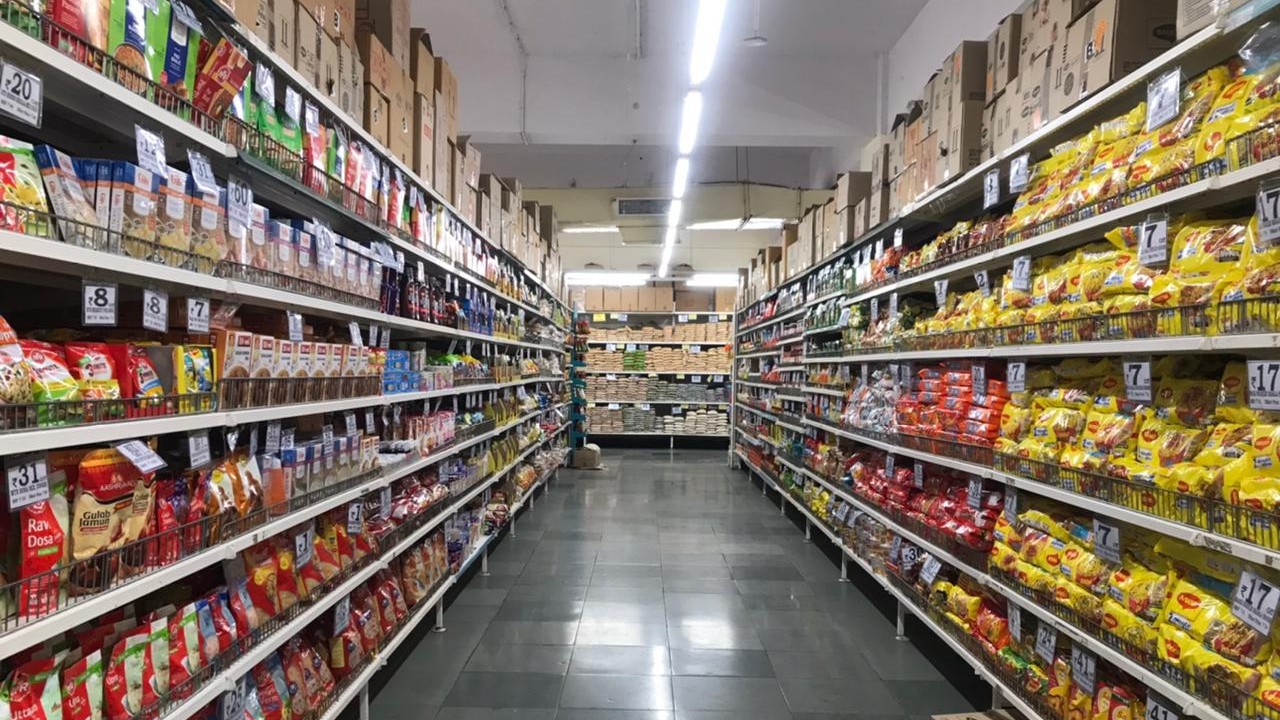
A sudden spike in crude oil prices, triggered by escalating Iran-Israel tensions, threatens to derail the fragile recovery of India's fast-moving consumer goods sector. Just as manufacturers began breathing easier with stabilising input costs, the sharp rise in oil prices is now poised to inflate packaging and freight expenses. This has forced companies to warn of impending price hikes on everyday essentials — from soaps and snacks to detergents and paints.
"Geopolitical tensions could pose short-term headwinds by driving up crude oil prices. This may drive up the prices of the overall purchase basket and pinch consumers," said Krishna Khatwani, head of sales, Godrej Consumer Products, which owns brands such as Cinthol and Good Knight.
Packaging materials like high-density polyethylene and other polymers, which are crude derivatives, comprise 15-20% of production costs, while freight costs make up for up to 30%.
Manufacturers say rising input costs will squeeze profit margins, prompting them to offset the impact by passing on the burden to consumers.
However, the extent of price hikes on stickers "remains uncertain" as of now, said Mayank Shah, vice-president at Parle Products. "We will be able to quantify the real impact depending on how much oil surges over the next 10-15 days. We are closely monitoring the geopolitical situation."
Brent crude was trading around $79 a barrel on Monday, up more than 10% since mid-June, following Israel's strikes on Iranian nuclear sites and subsequent missile retaliation from Tehran. Prices had been hovering around $65 per barrel in May. But US President Donald Trump's decision to launch a US attack on Iran has set off a chain of events that analysts warned could drive prices up much further. According to Dr Fereidun Fesharaki, founder and chairman of energy consulting group FGE, the closure of Strait of Hormuz could send crude prices spiralling to $100 per barrel. India imports 90% of its crude oil requirements, and nearly 38% of these imports in 2024 came via this route.
Other petroleum derivatives used in manufacturing FMCG products include linear alkyl benzene — used in detergents — and titanium dioxide — used in food products like candies, and baked goods, as well as cosmetics and more widely in paints. The production of decorative paints involves over 300 items, primarily derived from petroleum. They constitute about 55-60% of input costs and have a direct influence on profit margins.
"The conflict has triggered widespread disruption across global supply chains including delays in shipping, reduced output from conflict zones due to facility shutdowns, and increased transportation costs due to rerouted exports. Combined with a spike in crude prices, these factors are driving raw material costs upward," said Shalimar Paints Chief Executive Officer and Managing Director Kuldip Raina. "If raw material costs continue to escalate, selective price revisions may be necessary."
The fresh uncertainty comes at a critical juncture as FMCG companies had just started to see signs of demand revival after five consecutive quarters of sluggish sales, particularly in urban markets. The industry had also paused price hikes just weeks ago after most commodity prices stabilised.
Companies say rising oil prices will reverse the gains, derailing the margin relief they were anticipating from the second half of this financial year, primarily aided by fiscal stimulus announced in the recent Union Budget.
"With retail food inflation at a seven-month low, a good monsoon forecast, and recent income tax relief, the industry was hopeful demand will rebound in the second half...but now we remain cautious," Shah said.
Mrinalini Srinivasan, chief financial officer, Procter & Gamble Hygiene and Health Care, also maintains a "cautiously optimistic" outlook for the future.
"With the steady government and private investment and positive economic indicators, there surely are reasons to be optimistic. But one must keep an eye on the evolving global tensions and trade policies, which will have an impact on inflation and, potentially, demand,” she added.
Concerns around rising crude oil prices could lead to higher packaging and freight costs, offsetting the gains from the recent reduction in import duty on palm oil from 20% to 10%, said Manoj Verma, chief operating officer, Bikaji Foods International Ltd. "But, for now, these increases appear manageable and may be partially offset by the benefits from lower palm oil prices."
FMCG firms typically hedge raw materials for 3-6 months. Analysts say with urban demand still weak, some may be forced to absorb input cost pressures from rising crude prices. "This will squeeze margins as companies get into the festive season," said Sachin Bobade, director, research at Dolat Capital Market Pvt.

-
AI Bias In Investing Cannot Be Eliminated, But It Can Be Governed

Framing is a particularly important example as identical financial information presented in terms of gains rather than losses can lead an LLM to reach a different assessment.
-
Joining The Dots | Dark Skies, Steady Diya: Why Hope Holds This Diwali
With war, a weak rupee and foreign outflows weighing on sentiment, policymakers at the NDTV World Summit and market veterans at NDTV Profit Ignite: Diwali Edition offered the same advice: stay invested and filter out the noise.
-
The Curious Case of Equitas Small Finance Bank And A CEO Who Quit For Stock
PN Vasudevan believes persistent investor concerns over a perceived conflict of interest had become a governance overhang on Equitas Small Finance Bank's stock, even as the lender improved profitability and asset quality.
-
Talking Points This Week: AI Cash Burn, A Tiger Comeback And An India That Still Finds Its Own Path
India is not immune to higher oil or tighter global liquidity, yet its earnings base is broader, its domestic policy levers are still available.
-
Foreign Investors Own Half Of HDFC Bank and ICICI Bank. An LTCG Cut Could Matter Most Here
Foreign portfolio investors have US$115 billion parked in HDFC Bank, ICICI Bank. If the government cuts long-term capital gains tax, Jefferies says returning foreign money could land here first.
-
'Never Seen This Level Of Negativity': Sandeep Tandon Says The Next Rally May Be Closer Than You Think
Veteran investor Sandeep Tandon says foreign selling is easing, large-caps are due a comeback and mid-caps are crowded, while he turns positive on gold, power and pharma this Diwali.
-
Indians Stay With Family, Not In Hotels | The Reason Why
India still lacks enough clean, reliable and affordable hotels for budget-conscious travellers.
-
The Economic Imperative: Analysing The Material Driving Force Behind India-Canada Strategic Reset
This economic complementarity is further reinforced by deep institutional investment ties and talent mobility, which form the bedrock of the bilateral framework.
-
Medicine Pricing: Where Must Profit Stop?
India must confront excessive margins, hidden incentives and regulatory gaps that threaten the integrity of medicine.
-
Why Amazon And Flipkart Are Struggling To Beat Meesho In India's Smaller Cities
With 274 million users and lowest-cost logistics, Meesho is defending its value commerce crown against giants like Amazon and Flipkart.










