Is The Game Over, Dream Dead, And So The Bonfire Of NFTs, Or GAME On?
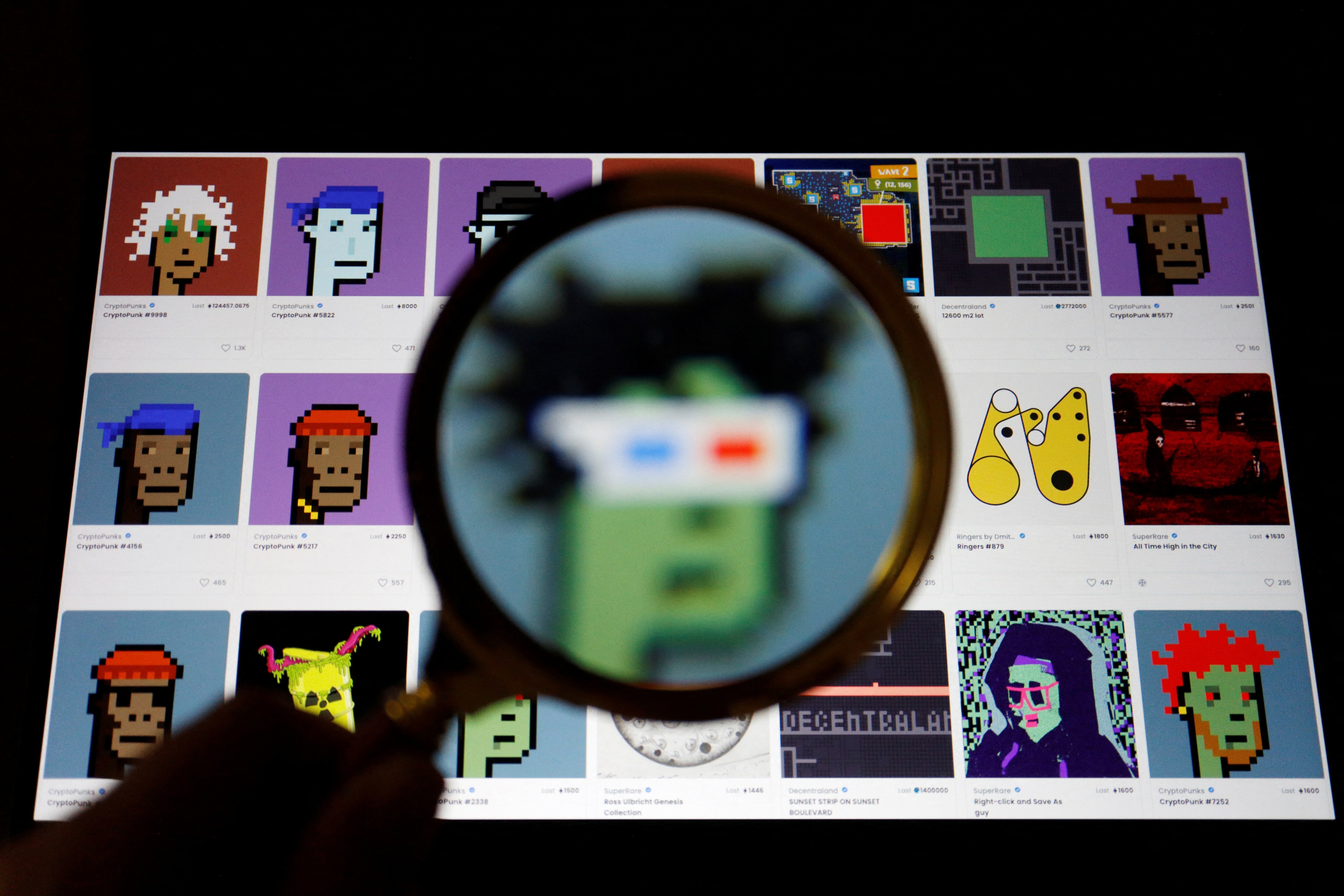
The NFT dream isn't dead, but it's taken a big non-fungible beating.
The market shone gloriously last year as crypto-rich speculators spent billions of dollars on the risky assets, pumping up prices and profits. Now, six months into 2022, it's looking ugly.
Monthly sales volume on the largest NFT marketplace, OpenSea, plunged to $700 million in June, down from $2.6 billion in May and a far cry from January's peak of nearly $5 billion.
By late June the average NFT sale sunk to $412, from $1,754 at the end of April, according to NonFungible.com, which tracks sales on the Ethereum and Ronin blockchains.
"The crypto bear market has definitely had an impact on the NFT space," said Gauthier Zuppinger, co-founder of NonFungible.com.
"We have seen so much speculation, so much hype around this kind of asset," he added. "Now we see some sort of decrease just because people realise they will not become a millionaire in two days."
The NFT market has collapsed along with cryptocurrencies, which are typically used to pay for the assets, at a time when central banks have jacked up rates to combat inflation, and risk appetite has withered.
Bitcoin lost around 57% in the six months of the year, while ether has dropped 71%.
Dip Or Death Spiral?
For critics, the crash confirms the folly of buying such assets, tradable blockchain-based records linked to digital files such as images or videos, often artwork.
The Malaysian businessman who bought an NFT of Jack Dorsey's first tweet for $2.5 million last year struggled to get bids of more than a few thousand dollars when he tried to re-sell it in April.
But Benoit Bosc, global head of product at crypto trading firm GSR, sees the downturn as the perfect time to build a corporate NFT collection - the crypto equivalent of the fine art traditional banks display to impress clients.
Last month, GSR spent $500,000 on NFTs from what Bosc calls "blue-chip" collections - those with large online fan bases.
His purchases include an NFT from the Bored Ape Yacht Club, a set of 10,000 cartoon monkeys made by U.S.-based company Yuga Labs and promoted by the likes of Paris Hilton and Jimmy Fallon.
Such is the hype surrounding Bored Apes that Yuga Labs raised $285 million in April by selling tokens it says can be exchanged for land in a Bored Apes-themed virtual world it has not yet launched.
Yet the average sale price for a Bored Ape tumbled to around $110,000 in June, having halved since its January peak of $238,000, according to market tracker CryptoSlam.
In his New York office, Bosc put up three screens on which to display his NFTs, which include various pixelated characters and a Bored Ape bought for $125,000.
"For us, it's also a brand exercise," Bosc said. Owning a valuable NFT and using it as a profile picture on social media is a way to establish "respectability, authority and influence" in the crypto sphere, he said.
Game Over? Game On?
Nonetheless, the future of NFTs is distinctly uncertain, as the era of low interest rates which encouraged investors to take risky bets comes to an end.
Some market watchers say the influence of NFTs on the art market will shrink. Meanwhile, even though the much-hyped vision for a blockchain-based metaverse hasn't materialised yet, enthusiasts expect NFTs to shake up the gaming industry, for example by allowing players to own in-game assets such as avatar skins.
"Everyone believes games are going to be the next big thing in blockchain," said Modesta Masoit, chief financial officer at blockchain tracker DappRadar.
This risky combination of gaming and financial speculation may face difficulties, though. Most gamers prefer games which do not include NFTs or "play-to-earn" components, according to John Egan, CEO of technology research firm L'Atelier.
Although the groundbreaking new crypto regulations agreed by the European Union last week mostly excluded NFTs, Spain is separately seeking to clamp down on the way video games sell virtual assets for real money.
Meanwhile, the biggest NFT-based game, Axie Infinity, has seen its in-game token collapse to less than half a cent, down from a peak of 36 cents last year.
For L'Atelier's Egan, the NFT market is unlikely to recover in its current form.
"Ultimately it's a situation where extraordinary amounts of money are being paid for extraordinarily limited assets that don't really produce any cash flow," he said.
But the underlying concept of creating unique digital assets is still "fundamentally important" and will have "massive applications" for the financial sector in future, he said.
(Except for the headline, this story has not been edited by NDTV staff and is published from a syndicated feed.)

-
AI Bias In Investing Cannot Be Eliminated, But It Can Be Governed

Framing is a particularly important example as identical financial information presented in terms of gains rather than losses can lead an LLM to reach a different assessment.
-
Joining The Dots | Dark Skies, Steady Diya: Why Hope Holds This Diwali
With war, a weak rupee and foreign outflows weighing on sentiment, policymakers at the NDTV World Summit and market veterans at NDTV Profit Ignite: Diwali Edition offered the same advice: stay invested and filter out the noise.
-
The Curious Case of Equitas Small Finance Bank And A CEO Who Quit For Stock
PN Vasudevan believes persistent investor concerns over a perceived conflict of interest had become a governance overhang on Equitas Small Finance Bank's stock, even as the lender improved profitability and asset quality.
-
Talking Points This Week: AI Cash Burn, A Tiger Comeback And An India That Still Finds Its Own Path
India is not immune to higher oil or tighter global liquidity, yet its earnings base is broader, its domestic policy levers are still available.
-
Foreign Investors Own Half Of HDFC Bank and ICICI Bank. An LTCG Cut Could Matter Most Here
Foreign portfolio investors have US$115 billion parked in HDFC Bank, ICICI Bank. If the government cuts long-term capital gains tax, Jefferies says returning foreign money could land here first.
-
'Never Seen This Level Of Negativity': Sandeep Tandon Says The Next Rally May Be Closer Than You Think
Veteran investor Sandeep Tandon says foreign selling is easing, large-caps are due a comeback and mid-caps are crowded, while he turns positive on gold, power and pharma this Diwali.
-
Indians Stay With Family, Not In Hotels | The Reason Why
India still lacks enough clean, reliable and affordable hotels for budget-conscious travellers.
-
The Economic Imperative: Analysing The Material Driving Force Behind India-Canada Strategic Reset
This economic complementarity is further reinforced by deep institutional investment ties and talent mobility, which form the bedrock of the bilateral framework.
-
Medicine Pricing: Where Must Profit Stop?
India must confront excessive margins, hidden incentives and regulatory gaps that threaten the integrity of medicine.
-
Why Amazon And Flipkart Are Struggling To Beat Meesho In India's Smaller Cities
With 274 million users and lowest-cost logistics, Meesho is defending its value commerce crown against giants like Amazon and Flipkart.










