Is NPCI Too Big To Fail, Asks RBI In A Policy Paper On Retail Payment Systems
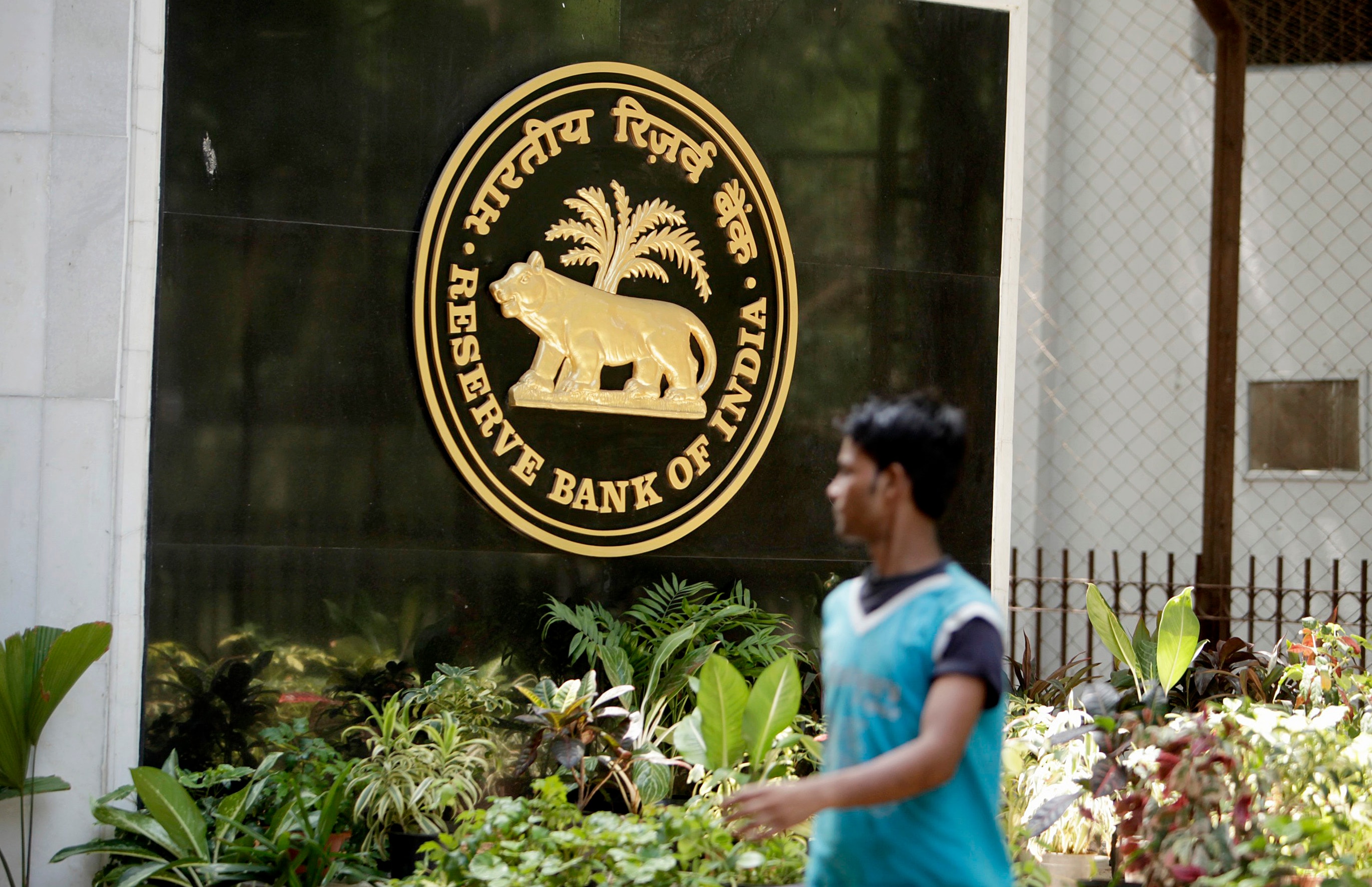
Concerned about concentration risk and the dangers that could emerge from a ‘too big to fail' moment in the retail payments space, the Reserve Bank of India has called for views on opening up the sector to encourage competition and innovation.
In a policy paper on retail payment systems in India, the RBI noted that while there are a total of 89 payment system operators in the country, a few entities have grown in a manner that has led to concerns around concentration.
Payment Systems in India have grown in a manner which is characterized by a few operators while there is a wide array of payment systems. This has given rise to certain questions which range largely around concerns of concentration, need for competition and the resultant impact on economic efficiency and financial stabilityReserve Bank of India, Policy Paper on Authorisation of New Retail Payment Systems
The main concern for the regulator seems to stem from the role played by the National Payments Corporation of India and its importance in today's payment economy.
NPCI is an umbrella organisation created in 2008 to develop and operate various retail payment systems. Historically the central bank managed, developed and operated various payment systems itself. In the early 2000s, it set up the National Electronic Funds Transfer (NEFT) system as also Electronic Clearing Service (ECS), which it operates to this day. But the scope and scale at which the RBI itself could operate payment systems reduced as electronic transactions gained traction. Therefore, with the support of government and private banks, the NPCI was set up.
Over time, the payment systems operated by NPCI gained a greater share of all electronic transactions as compared to those operated by RBI.
In its paper, the RBI pointed out that the ECS system for debt and credit is witnessing low volumes and even the share of transactions by NEFT has come down to 12 percent, as at the end of March 31, 2018.
In the coming months, ECS will be subsumed under the National Automated Clearing House (NACH), which is operated by the NPCI, leaving the RBI operating only the NEFT system, the paper added.
The issue, the RBI study noted, is that the NPCI has become pivotal to the operations of many retail payment systems of the country. There is a ‘concentration' of many complicated systems and tasks under its ambit, which creates conditions for monopolistic behaviour in terms of quality of service or access to and charges on services.
Further, the fact that the majority of the retail payment systems are under the NPCI's ambit could lead to ‘complacency' and no drive for innovation.
However, the ultimate issue is that NPCI represents a too-big-to- fail entity. If it was hit by either a negative financial event or a data-security breach, the broader impact would be significant. Especially, when there is a ‘lack of redundancy and fall back arrangements,' said the RBI in its paper.
Way Forward
The central bank, in its paper, said that it may be important to encourage competition and permit multiple entities to provide payment services. One way to do this would be to allow multiple players to operate similar payment services. “This may require additional investments, creation of suitable institutional infrastructure and time, and thus may have to be done in phases,” said the RBI.
In a market of multiple system providers, issues concerning standardisation, governance and regulation, and accessibility to different systems and services depending on the service provider will have to be addressed, the paper added.
The biggest challenge is ensuring all entities adhere to the same standards and regulations to ensure that inter-operability remains a core feature of the new payments system being thought of.Reserve Bank of India, Policy Paper on Authorisation of New Retail Payment Systems
The RBI also said that it could consider bringing in an ‘on-tap window' for all entities in the payment systems space to enter or exit the market. Further, the central bank said that the idea of reducing the minimum net-worth requirement for payment system operators can be discussed.
Views have been sought from members of the public and industy by February 20, said the RBI in its press release.

-
Signature Play: The Classic Cocktail Is Dead. Or Is It?

Classic cocktails are disappearing from India's cocktail menus. But they're still being ordered, taught to bartenders and borrowed from. So, who's really having the last drink?
-
A New Samvat Wishlist: Inclusive Prosperity And Human Development
India has strengthened its economic foundations through infrastructure, digital access and enterprise. Its next growth chapter must deepen productivity, create better livelihoods and widen participation in prosperity.
-
Love, Sex Aur Dhokha: The Audacious Plot To Spy On Jensen Huang
A Taipei dinner, a Singapore chip buyer and a suspected Chinese asset: inside the alleged spy operation that got close to NVIDIA's Jensen Huang.
-
Ten Things I Learnt This Samvat
Patience can be a trap. Cheap stocks can stay cheap. Leverage can wipe you out. What did Samvat 2082 teach us? Niraj Shah writes on 10 lessons from the year gone by.
-
Talking Points This Week: Tech Nerves, FII Buying, And A Faraway Banking Shock
The global markets are not shining this Diwali. The exception in the large markets is, India.
-
Midterm Rally Lasted A Day. The Hard Reality Of A Divided US May Last Two Years | Opinion
Between a contested AI boom, a debt ceiling that arrives in 2027 and a president with every incentive to act alone, the next two years may prove more volatile than the first day's rally suggests.
-
Blue Wave Will Derail the AI Trade but Won't Dismantle the AI Era | Unhedged Position
The Democrats' sweep of the US Congress will see politics collide with economic forces both over the long and short term.
-
It's Time To Take The GST Council's Bet On Trust Global
Payment records can prove India's services exports, and clear, proportionate rules can bring foreign digital sellers into the tax net.
-
Opinion | India at 38: From Innovation Overperformer to Innovation Powerhouse
India now has 453 VC-backed deep science startups, 18 of them late-stage, after 117 percent growth since 2020. Laurus Labs, at USD 9.3 billion, is the most valuable deep science company in any middle-income economy outside China.









