Is AI Being Used To Hurt Indian Aviation Over AI171 Crash?
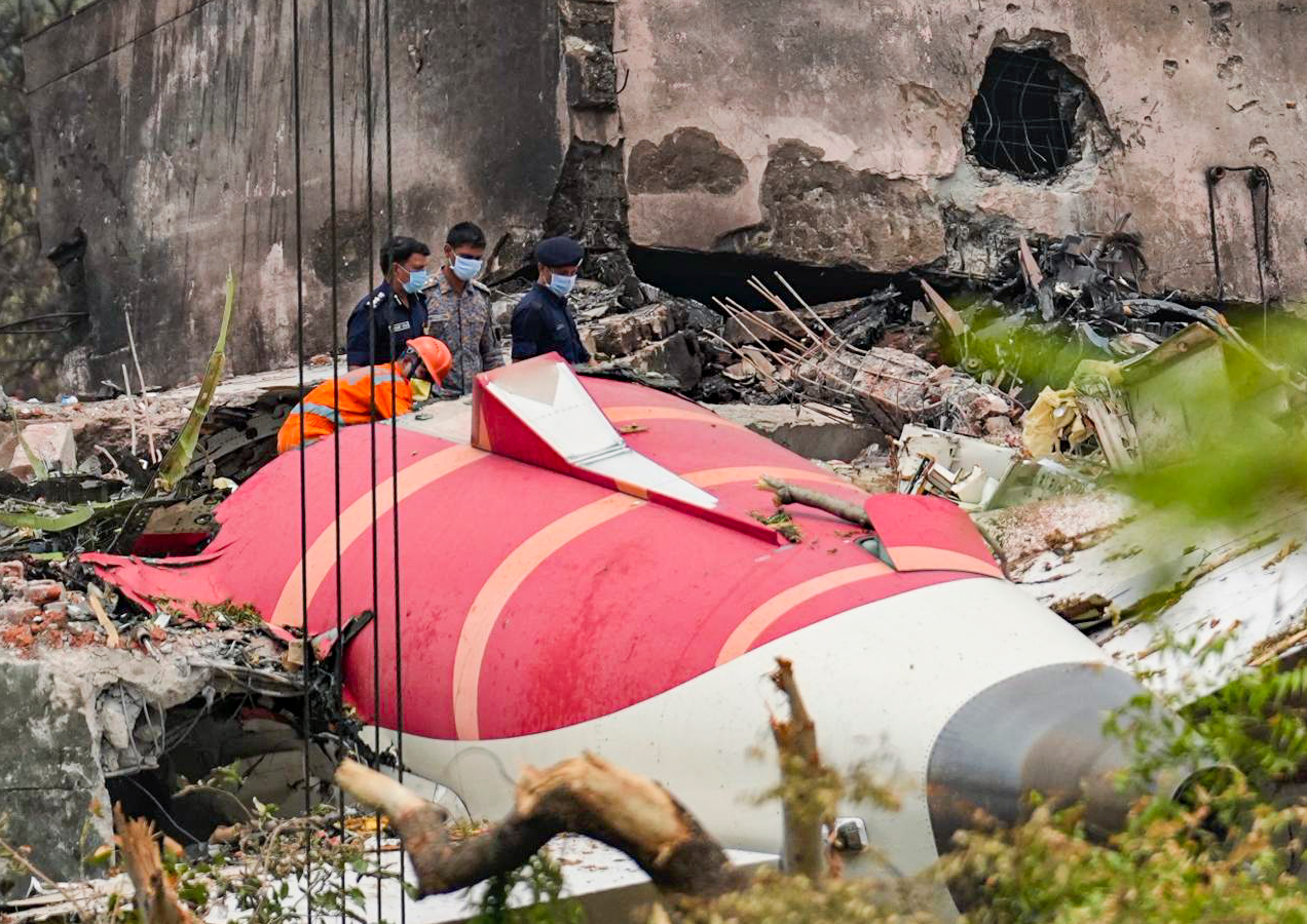
The unfortunate tragedy involving Air India flight AI171 not only shocked India and the world, but will also sadly go down in history for many firsts. It was the first hull loss of a Boeing 787 Dreamliner family aircraft, which in 14 years have carried over a billion passengers—a record for shortest time to a billion passengers for widebody aircraft. The horrific tragedy was also Air India's first widebody accident in nearly 50 years after a Boeing 747-200 crashed into the sea after lifting off from Mumbai in 1978.
The AI171 incident is also notable for how AI has been used to discuss the crash. From experienced aviation experts to armchair commentators, it's clear from the videos on social media that many have used AI tools to create their videos, enhance images and videos of the crash or the aftermath. While real experts have interpreted results from AI tools with caution, the ones chasing views have had no qualms about pronouncing judgments on what caused the tragedy. Some others have used AI to generate fake preliminary investigation reports which have fooled many because they seem authentic—down to the technical jargon and the staid style of writing an official report.
Since air crashes are rare, most people don't realise that investigations can take months of meticulous and painstaking effort by teams of highly experienced specialists, and collaboration between multiple agencies—sometimes across borders—before a preliminary report is released. It is normal for a final report to take a year or two. The scamsters creating and circulating these fake AI-generated ‘reports' are gleefully making use of this lack of awareness to push their poison. We also cannot discount the possibility that state actors could be behind these nefarious efforts too—after all, damaging Indian aviation by spreading misinformation has the potential to hurt the Indian economy and the nation.
The government has been quick to respond, with the Press Information Bureau debunking these ‘reports', but they continue to spread because the interest in the crash is naturally huge and everyone wants to know what really happened. But, in the AI-era it helps to be sceptical on some aspects, and if you receive any such report on WhatsApp, check a reputed news source like the NDTV Profit because the moment the real report is released the NDTV network will be covering it. Incidentally, if anti-India state actors are involved, it may well be that humans generated some of these fake reports. Because sometimes we can attribute content to AI and think highly of AI when the work is actually done by humans.
Strange, but true. One of our recent pieces focussed on this issue. builder.AI claimed that its AI tools were creating apps on-the-fly based on user inputs when the reality was that a team of 700 engineers were manually coding what was being presented as AI creations. The authors of our piece focus on the intersection of fraud investigations and AI. While AI is transformative and can help discover patterns and trends that can aid investigators, it can also become a smokescreen for deception as with builder.AI. How can we better investigate fraud involving AI?
Here are some of the other key articles around AI from the last couple of days:
Mark Zuckerberg Debuts Meta ‘Superintelligence' Group In Race With OpenAI, Google
Publishers Face Collapse As AI Kills Traffic And Ad Revenue, Cloudflare CEO Prince Warns
ChatGPT's Enterprise Success Against Copilot Fuels OpenAI And Microsoft's Rivalry
Apple Executives Have Held Internal Talks About Buying AI Startup Perplexity
Meta In Talks To Buy AI Voice Startup PlayAI In Push For Talent
See you again next week. And if you get any more preliminary AI171 investigation ‘reports' on WhatsApp, then ignore it. We all want to know what went wrong with AI171, but air crash investigations take time, just like a solid AI strategy for your organisation cannot be built overnight.
-Ivor Soans

-
We May Need Another Tukaram Mundhe To Fight Air Pollution | The Reason Why

Developers may install basic measures such as sprinklers and green nets, resume work, and continue violating rules when this equipment stops working.
-
Extracting Value From Battery Scrap Could Be Challenging For India | The Reason Why
A discarded lithium-ion battery still contains valuable materials such as lithium, nickel and cobalt. These can be recovered and reused. When such batteries are crushed and shredded, they produce a dark powder called black mass.
-
One El Nino, India Can Handle. Two Could Break The Granary
India's grain stocks can absorb one bad year, but a second El Nino could drain the buffer in two to three years, economists say.
-
India's Troika Of Good Luck | Joining The Dots
As Jensen Huang's exit drags Nvidia down, a cooling AI trade and resilient earnings have revived investor interest in India. A likely RBI rate hike looms.
-
Talking Points This Week: Leadership Shock At Nvidia, Earnings Strength, And The Fog Over Hormuz
The Anthropic IPO pricing and first trading day, Nvidia's upcoming earnings, and any fresh signals from Iran will set the tone for the following week.
-
Signature Play: The Classic Cocktail Is Dead. Or Is It?
Classic cocktails are disappearing from India's cocktail menus. But they're still being ordered, taught to bartenders and borrowed from. So, who's really having the last drink?
-
A New Samvat Wishlist: Inclusive Prosperity And Human Development
India has strengthened its economic foundations through infrastructure, digital access and enterprise. Its next growth chapter must deepen productivity, create better livelihoods and widen participation in prosperity.
-
Love, Sex Aur Dhokha: The Audacious Plot To Spy On Jensen Huang
A Taipei dinner, a Singapore chip buyer and a suspected Chinese asset: inside the alleged spy operation that got close to NVIDIA's Jensen Huang.
-
Ten Things I Learnt This Samvat
Patience can be a trap. Cheap stocks can stay cheap. Leverage can wipe you out. What did Samvat 2082 teach us? Niraj Shah writes on 10 lessons from the year gone by.
-
Talking Points This Week: Tech Nerves, FII Buying, And A Faraway Banking Shock
The global markets are not shining this Diwali. The exception in the large markets is, India.









