IMF Warns Of 'Economic Collapse', Urges Advanced G20 Countries To Extend Debt Relief
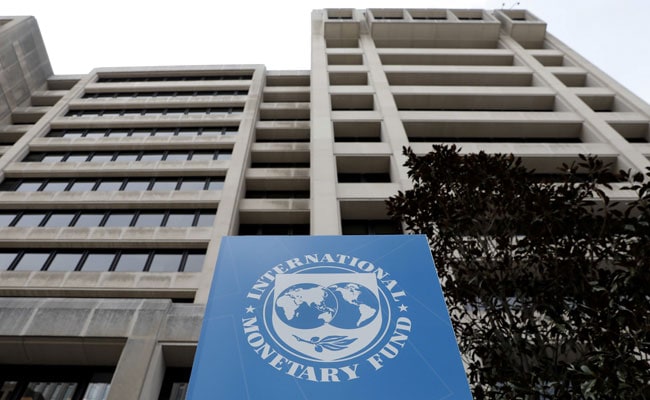
The IMF on Thursday urged advanced economies in the G20 to extend and improve their debt relief initiative, warning that many countries face a dire crisis without the help.
"We may see economic collapse in some countries unless G20 creditors agree to accelerate debt restructurings and suspend debt service while the restructurings are being negotiated," IMF chief Kristalina Georgieva said in a blog, adding that it is critical private creditors also offer relief.
The G20 Debt Service Suspension Initiative (DSSI) expires at the end of the year, and without a renewal, countries would face financial pressure and spending cuts just as new Covid-19 variants are spreading and interest rates are expected to rise, she said.
"Debt challenges are pressing and the need for action is urgent. The recent Omicron variant is a stark reminder that the pandemic will be with us for a while," Georgieva said in the blog co-authored by Ceyla Pazarbasioglu, director of the fund's Strategy, Policy, and Review Department.
Georgieva did not specify which economies faced a crisis, but referred simply to "low-income countries."
Advanced economies in the Group of 20 announced the program last year amid the Covid-19 pandemic, which hit poor countries the hardest, hampering the ability of those governments to service their debt and support their people.
The G20 twice extended the DSSI, but the IMF and World Bank have been urging creditors to do more to help with the burgeoning debt load. There are 73 countries eligible for relief under the program.
Debt distress
The World Bank estimates that debt loads in poor countries surged 12 percent to a record $860 billion in 2020 amid the pandemic, and Georgieva said "about 60 percent of low-income countries are at high risk or already in debt distress."
Given the problems with the debt relief program and the common framework for dealing with private creditors, only three countries so far have applied for relief -- Chad, Ethiopia and Zambia -- and they have faced "significant delays."
The framework has "yet to deliver on its promise. This requires prompt action," she said. She noted that Chad's program is hung up due to the need to restructure a large amount owed to a private company.
And with inflation surging in major economies, central banks are pulling back on stimulus and expected to begin raising interest rates next year, which would increase debt service costs for poor nations and likely would see capital flee those countries.
"No doubt 2022 will be much more challenging with the tightening of international financial conditions on the horizon," Georgieva said.
The IMF is calling for improvements in the program, especially mechanisms to oblige private creditors to participate, which would encourage more poor countries to make use of the DSSI.
In addition, "a comprehensive and sustained debt service payment standstill for the duration of the negotiation would provide relief to the debtor at a time when it is under stress," she said.

-
Why Swapping Your Old Gold Can Trigger A Rs 5 Lakh Tax Bill, And How You Can Avoid It Legally

Swapping old gold for new is taxed as a sale and a fresh purchase. Getting your own gold remade can cut most of that bill, though it has its own costs.
-
The AI Trade is Done. The Real Opportunity for Investors Starts in 2027 | Unhedged Position
As pureplay AI stocks plunge and circular, capex-led financing unwinds, 2027 is set to be a year of reckoning for AI companies. Yet the bust clears the way for a better opportunity for investors in 2027 -- shifting the spotlight from AI builders to the companies using AI.
-
Leadership As Mission: Why The Age Of AI Demands More Human Leadership
Debjani Ghosh examines how AI is changing leadership, arguing that its success must be measured by its impact on people and the accountability of those guiding its use.
-
We May Need Another Tukaram Mundhe To Fight Air Pollution | The Reason Why
Developers may install basic measures such as sprinklers and green nets, resume work, and continue violating rules when this equipment stops working.
-
Extracting Value From Battery Scrap Could Be Challenging For India | The Reason Why
A discarded lithium-ion battery still contains valuable materials such as lithium, nickel and cobalt. These can be recovered and reused. When such batteries are crushed and shredded, they produce a dark powder called black mass.
-
One El Nino, India Can Handle. Two Could Break The Granary
India's grain stocks can absorb one bad year, but a second El Nino could drain the buffer in two to three years, economists say.
-
India's Troika Of Good Luck | Joining The Dots
As Jensen Huang's exit drags Nvidia down, a cooling AI trade and resilient earnings have revived investor interest in India. A likely RBI rate hike looms.
-
Talking Points This Week: Leadership Shock At Nvidia, Earnings Strength, And The Fog Over Hormuz
The Anthropic IPO pricing and first trading day, Nvidia's upcoming earnings, and any fresh signals from Iran will set the tone for the following week.
-
Signature Play: The Classic Cocktail Is Dead. Or Is It?
Classic cocktails are disappearing from India's cocktail menus. But they're still being ordered, taught to bartenders and borrowed from. So, who's really having the last drink?
-
A New Samvat Wishlist: Inclusive Prosperity And Human Development
India has strengthened its economic foundations through infrastructure, digital access and enterprise. Its next growth chapter must deepen productivity, create better livelihoods and widen participation in prosperity.









