Yes Bank's Intent Is To Reduce NPAs To Zero By Fiscal End, Says CEO Prashant Kumar
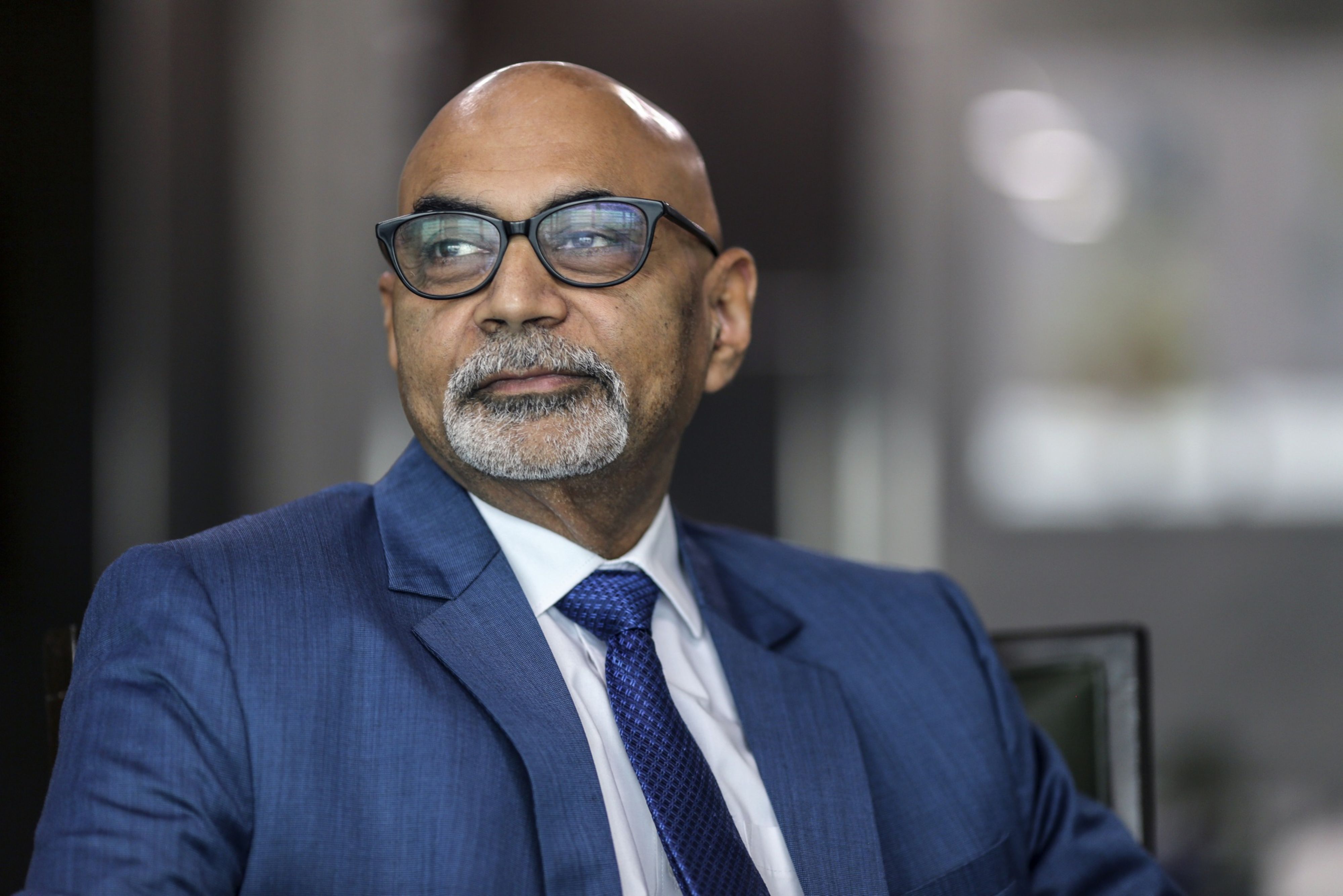
Yes Bank Ltd. intends to bring down its gross non-performing assets to zero by March 31 next year, said Prashant Kumar, managing director and chief executive officer at the private lender. That comes as the bank hopes to set up an asset reconstruction company and sell its legacy bad loans to it.
"If you just want to go through reduction (of NPAs) by way of recoveries and upgradation, it takes a very long time," Kumar told BloombergQuint in an interview on Monday. "That's why we are looking for an opportunity to create an ARC in partnership with some of the best-known stressed asset funds across the world."
Distressed asset funds have expressed interest and the bank will be able to identify a partner within 60 days, Kumar said.
The ARC will be controlled by the stressed asset investor and the bank will hold a minority stake in it.
To be sure, the RBI requires that such loan sales happen at an arm's length. Also, there are restrictions on the proportion of bad loans an ARC can hold from its sponsor. However, Yes Bank may not be a sponsor of the proposed ARC.
As of Sept. 30, Yes Bank's gross non-performing asset pool stood at Rs 28,741 crore or 15% of the total loan book. Adding Rs 6,184 crore worth of restructured loans, the total stressed asset ratio for the bank continues to remain at 20%.
Growth Plans
Even as it cleans up, the bank is aiming to grow its corporate loan book by 10% this financial year, as it looks to expand its mid-corporate business.
"We are targeting the mid-corporates, not very large corporates or large project loans. We will be more granular, participating in working capital requirements," Kumar said. "With the kind of lines which have already been set up and not utilised, achieving the 10% (loan growth) number on the corporate (book) is not an issue at all."
On the large corporate front, too, Yes Bank will target growth through the working capital channel. With input costs going up, working capital demand is also expected to rise, Kumar said. Yes Bank will also look to improve its corporate relationships through its transaction banking services.
"Today, corporates are not looking at a bank only from a lending perspective. They also look for a bank which can provide solutions for their trade finance, cash management and transaction banking. I think this is one piece which we have done," Kumar said.
On its retail and micro, small and medium enterprise business, Yes Bank had a target of 20% credit growth this year. According to Kumar, the growth in this part of the loan book is now reaching 29%.
As of Sept. 30, the bank's loan book rose 4% year-on-year to Rs 1.72 lakh crore. The retail and MSME portfolio grew significantly faster than the corporate book, and now accounts for 54% of the total loan book. During the quarter, the bank saw gross retail disbursals worth Rs 8,478 crore, the highest ever in its history. It disbursed loans worth Rs 4,576 crore to small and medium enterprises.
The bank's capital adequacy ratio stood at 17.6%, where tier-1 capital stood at 11.5%. According to Kumar, while this is sufficient to grow the total loan book by 15% this year, the bank may need to raise more capital next year. Yes Bank's board had approved a fundraising plan of Rs 10,000 crore in June.
Watch the full interview here:

-
Why Swapping Your Old Gold Can Trigger A Rs 5 Lakh Tax Bill, And How You Can Avoid It Legally

Swapping old gold for new is taxed as a sale and a fresh purchase. Getting your own gold remade can cut most of that bill, though it has its own costs.
-
The AI Trade is Done. The Real Opportunity for Investors Starts in 2027 | Unhedged Position
As pureplay AI stocks plunge and circular, capex-led financing unwinds, 2027 is set to be a year of reckoning for AI companies. Yet the bust clears the way for a better opportunity for investors in 2027 -- shifting the spotlight from AI builders to the companies using AI.
-
Leadership As Mission: Why The Age Of AI Demands More Human Leadership
Debjani Ghosh examines how AI is changing leadership, arguing that its success must be measured by its impact on people and the accountability of those guiding its use.
-
We May Need Another Tukaram Mundhe To Fight Air Pollution | The Reason Why
Developers may install basic measures such as sprinklers and green nets, resume work, and continue violating rules when this equipment stops working.
-
Extracting Value From Battery Scrap Could Be Challenging For India | The Reason Why
A discarded lithium-ion battery still contains valuable materials such as lithium, nickel and cobalt. These can be recovered and reused. When such batteries are crushed and shredded, they produce a dark powder called black mass.
-
One El Nino, India Can Handle. Two Could Break The Granary
India's grain stocks can absorb one bad year, but a second El Nino could drain the buffer in two to three years, economists say.
-
India's Troika Of Good Luck | Joining The Dots
As Jensen Huang's exit drags Nvidia down, a cooling AI trade and resilient earnings have revived investor interest in India. A likely RBI rate hike looms.
-
Talking Points This Week: Leadership Shock At Nvidia, Earnings Strength, And The Fog Over Hormuz
The Anthropic IPO pricing and first trading day, Nvidia's upcoming earnings, and any fresh signals from Iran will set the tone for the following week.
-
Signature Play: The Classic Cocktail Is Dead. Or Is It?
Classic cocktails are disappearing from India's cocktail menus. But they're still being ordered, taught to bartenders and borrowed from. So, who's really having the last drink?
-
A New Samvat Wishlist: Inclusive Prosperity And Human Development
India has strengthened its economic foundations through infrastructure, digital access and enterprise. Its next growth chapter must deepen productivity, create better livelihoods and widen participation in prosperity.









