Rupee Falls To All-Time Closing Low Of 73.58 Against Dollar: 10 Things To Know
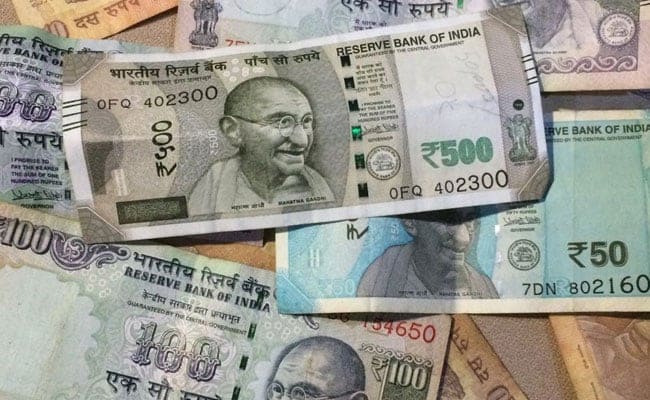
- The rupee has been falling since three consecutive days ahead of the Reserve Bank of India's fourth bi-monthly policy statement due on Friday.
- Brent crude oil futures were trading above the $86 per barrel mark on Thursday, not far from a late 2014 high of $86.74 registered the previous day.
- In the latest of a series of attempts to calm the markets, the government late on Wednesday said it would allow state oil-marketing companies (OMCs) to raise $10 billion in overseas loans to help them cover the sharp rise in price for imported oil.
- The move is likely to have little impact on the currency market, according to forex advisory firm IFA Global.
- Analysts expect the rupee to continue to remain under pressure going forward. "In the face of US sanctions on oil supply from Iran becoming effective next month, oil continues to firm up. India's current account deficit continues to be vulnerable," said Salil Datar, executive director and CEO, Essel Forex.
- The RBI has said it would pump Rs 36,000 crore ($4.95 billion) into money markets in October. "The RBI announcements on the liquidity are more focused towards providing relief to the NBFCs and banks rather than towards cooling down of the rupee in the forex markets," Mr Datar added.
- High crude oil prices and rupee depreciation tends to widen the current account deficit. India meets more than 80 per cent of its oil requirements through imports.
- The Reserve Bank of India will conclude a three-day bi-monthly monetary policy review on Friday. All eyes will be on the central bank's statement due at 2:30 pm on Friday.
- Economists expect the central bank to hike the repo rate - the key interest rate at which it lends short-term funds to commercial banks - by 25 basis points. If the Monetary Policy Committee goes ahead with a hike, that would mark the third consecutive increase in the repo rate. At present, the repo rate stands at 6.50 per cent.
- Meanwhile, the government on the same day announced a reduction of Rs 2.5 per litre in domestic petrol and diesel prices. The cut is a result of a reduction in the excise duty of Rs 1.50 per litre, with oil-marketing companies taking a revenue hit of 1 rupee per litre, Finance Minister Arun Jaitley said.

-
AI Bias In Investing Cannot Be Eliminated, But It Can Be Governed

Framing is a particularly important example as identical financial information presented in terms of gains rather than losses can lead an LLM to reach a different assessment.
-
Joining The Dots | Dark Skies, Steady Diya: Why Hope Holds This Diwali
With war, a weak rupee and foreign outflows weighing on sentiment, policymakers at the NDTV World Summit and market veterans at NDTV Profit Ignite: Diwali Edition offered the same advice: stay invested and filter out the noise.
-
The Curious Case of Equitas Small Finance Bank And A CEO Who Quit For Stock
PN Vasudevan believes persistent investor concerns over a perceived conflict of interest had become a governance overhang on Equitas Small Finance Bank's stock, even as the lender improved profitability and asset quality.
-
Talking Points This Week: AI Cash Burn, A Tiger Comeback And An India That Still Finds Its Own Path
India is not immune to higher oil or tighter global liquidity, yet its earnings base is broader, its domestic policy levers are still available.
-
Foreign Investors Own Half Of HDFC Bank and ICICI Bank. An LTCG Cut Could Matter Most Here
Foreign portfolio investors have US$115 billion parked in HDFC Bank, ICICI Bank. If the government cuts long-term capital gains tax, Jefferies says returning foreign money could land here first.
-
'Never Seen This Level Of Negativity': Sandeep Tandon Says The Next Rally May Be Closer Than You Think
Veteran investor Sandeep Tandon says foreign selling is easing, large-caps are due a comeback and mid-caps are crowded, while he turns positive on gold, power and pharma this Diwali.
-
Indians Stay With Family, Not In Hotels | The Reason Why
India still lacks enough clean, reliable and affordable hotels for budget-conscious travellers.
-
The Economic Imperative: Analysing The Material Driving Force Behind India-Canada Strategic Reset
This economic complementarity is further reinforced by deep institutional investment ties and talent mobility, which form the bedrock of the bilateral framework.
-
Medicine Pricing: Where Must Profit Stop?
India must confront excessive margins, hidden incentives and regulatory gaps that threaten the integrity of medicine.
-
Why Amazon And Flipkart Are Struggling To Beat Meesho In India's Smaller Cities
With 274 million users and lowest-cost logistics, Meesho is defending its value commerce crown against giants like Amazon and Flipkart.










