Inflation Eats Into Household Budgets, Dragging FMCG Q3 Volumes: Nielsen
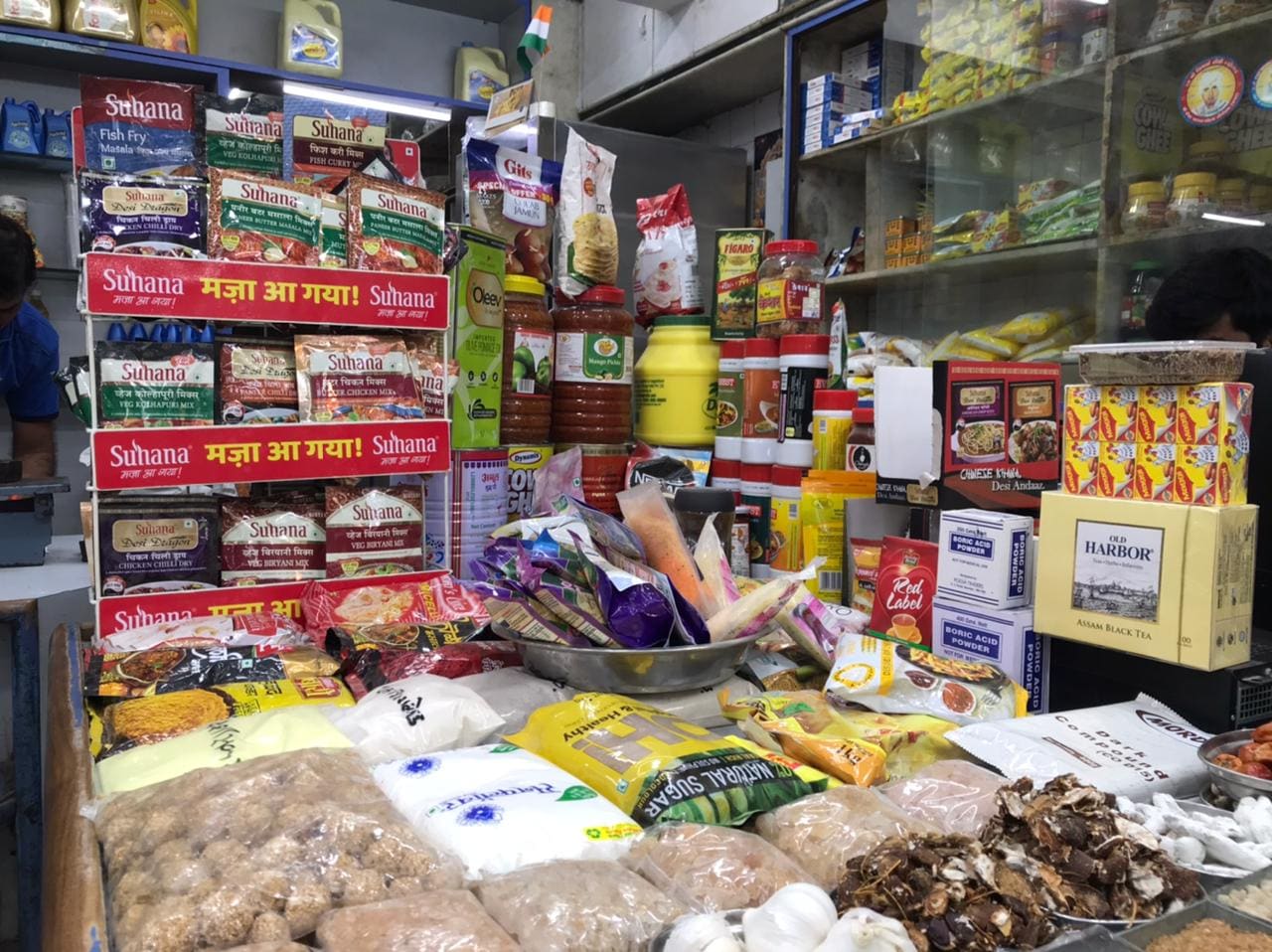
Demand for fast-moving consumer goods dwindled in the December quarter as consumers bought less or purchased cheaper alternatives while companies took successive price hikes to tackle margin pressure, in turn pulling down FMCG volumes.
Volumes dipped 2.6% year-on-year during the festive months of October-December after five quarters of growth, according to NielsenIQ's latest Retail Establishment Survey.
Rural markets remained under stress for the second quarter in a row. “The resulting consumption slowdown continues to be accentuated in rural markets with – 4.8% consumption degrowth, while urban markets are comparatively better at –0.8%,” the report said.
Meanwhile, the FMCG industry had to opt for double-digit price growth in three consecutive quarters due to high inflation in raw materials, in a bid to protect its margins. It translated into a price-driven growth of 17.5% in comparison to a year ago. The third quarter saw 9.6% price-led growth over FY21, due to inflationary pressure and other macroeconomic factors.
Traditional trade in both urban and rural markets has seen a – 4.8% volume de-growth that is leading the slowdown, according to NielsenIQ. “Categories like staples have seen higher price increases in the last two quarters, leading to larger price-led growth in rural markets and, hence impacting the volumes,” said Diptanshu Ray, South Asia cluster lead at NielsenIQ.
Modern trade, however, has seen 5.6% volume growth in the three months through December on the back of festive demand. “Price growth in modern trade was also lower than that seen in the traditional trade space. This was primarily led by higher promotions and bigger pack sizes. Given the price increases overall, manufacturers are also taking steps to change pack size as well as assortment. When it comes to rural India, consumers are going back to small-pack sizes to counter the price increase," Ray said.
E-commerce, according to Nielsen, continued to grow at 15.3% in the October-December quarter as against a year ago. NielsenIQ's e-commerce consumer panel, which comprises 1.6 lakh shoppers, shows that penetration of FMCG among online shoppers rose from 15% before Covid-19 to 25-30% during the pandemic to settle at 25%.
“In e-commerce, each wave has seen a higher adoption by consumers – leading to the evolution of omnishoppers where home care and personal care witnesses a continued adoption on the channel," the research firm said.
Indian packaged consumer goods companies including Amul Ltd., Hindustan Unilever Ltd., ITC Ltd. and Marico Ltd. are facing inflationary headwinds, prompting them to raise prices of everything from soaps to biscuits.
Amul has recently raised milk prices by Rs 2 per litre, while HUL has increased product prices in the range of 1-9% for the second time in February.
Small Manufacturers Hit Hardest
The price increase continued to impact smaller manufacturers (with turnover below Rs 100 crore) as their number dropped by 13%, due to the difficulty of continuing operations with higher costs. But, large and medium manufacturers remained stable through the year, said Nielsen.
The total number of stores selling FMCG products in India grew at a compound annual growth rate of 4% over the period between 2019-2021, with an addition of 8 lakh stores in the country. Of these, 60% opened in rural India, according to Nielsen.
The annual rate of growth has been approximately 1-2% pre-Covid-19. The metro India retail store universe also grew with new stores opening up in residential areas, to cater to consumers who were homebound for nearly two years.
The country's macroeconomic conditions are yet to recover from the pandemic disruptions, and there is a long-term impact because of global inflationary pressure. “There has to be a watch-out for continued consumption de-growth impacted by price increase,” said Ray.

-
Signature Play: The Classic Cocktail Is Dead. Or Is It?

Classic cocktails are disappearing from India's cocktail menus. But they're still being ordered, taught to bartenders and borrowed from. So, who's really having the last drink?
-
A New Samvat Wishlist: Inclusive Prosperity And Human Development
India has strengthened its economic foundations through infrastructure, digital access and enterprise. Its next growth chapter must deepen productivity, create better livelihoods and widen participation in prosperity.
-
Love, Sex Aur Dhokha: The Audacious Plot To Spy On Jensen Huang
A Taipei dinner, a Singapore chip buyer and a suspected Chinese asset: inside the alleged spy operation that got close to NVIDIA's Jensen Huang.
-
Ten Things I Learnt This Samvat
Patience can be a trap. Cheap stocks can stay cheap. Leverage can wipe you out. What did Samvat 2082 teach us? Niraj Shah writes on 10 lessons from the year gone by.
-
Talking Points This Week: Tech Nerves, FII Buying, And A Faraway Banking Shock
The global markets are not shining this Diwali. The exception in the large markets is, India.
-
Midterm Rally Lasted A Day. The Hard Reality Of A Divided US May Last Two Years | Opinion
Between a contested AI boom, a debt ceiling that arrives in 2027 and a president with every incentive to act alone, the next two years may prove more volatile than the first day's rally suggests.
-
Blue Wave Will Derail the AI Trade but Won't Dismantle the AI Era | Unhedged Position
The Democrats' sweep of the US Congress will see politics collide with economic forces both over the long and short term.
-
It's Time To Take The GST Council's Bet On Trust Global
Payment records can prove India's services exports, and clear, proportionate rules can bring foreign digital sellers into the tax net.
-
Opinion | India at 38: From Innovation Overperformer to Innovation Powerhouse
India now has 453 VC-backed deep science startups, 18 of them late-stage, after 117 percent growth since 2020. Laurus Labs, at USD 9.3 billion, is the most valuable deep science company in any middle-income economy outside China.









