Indus Water Treaty Not A Weapon Against Pakistan
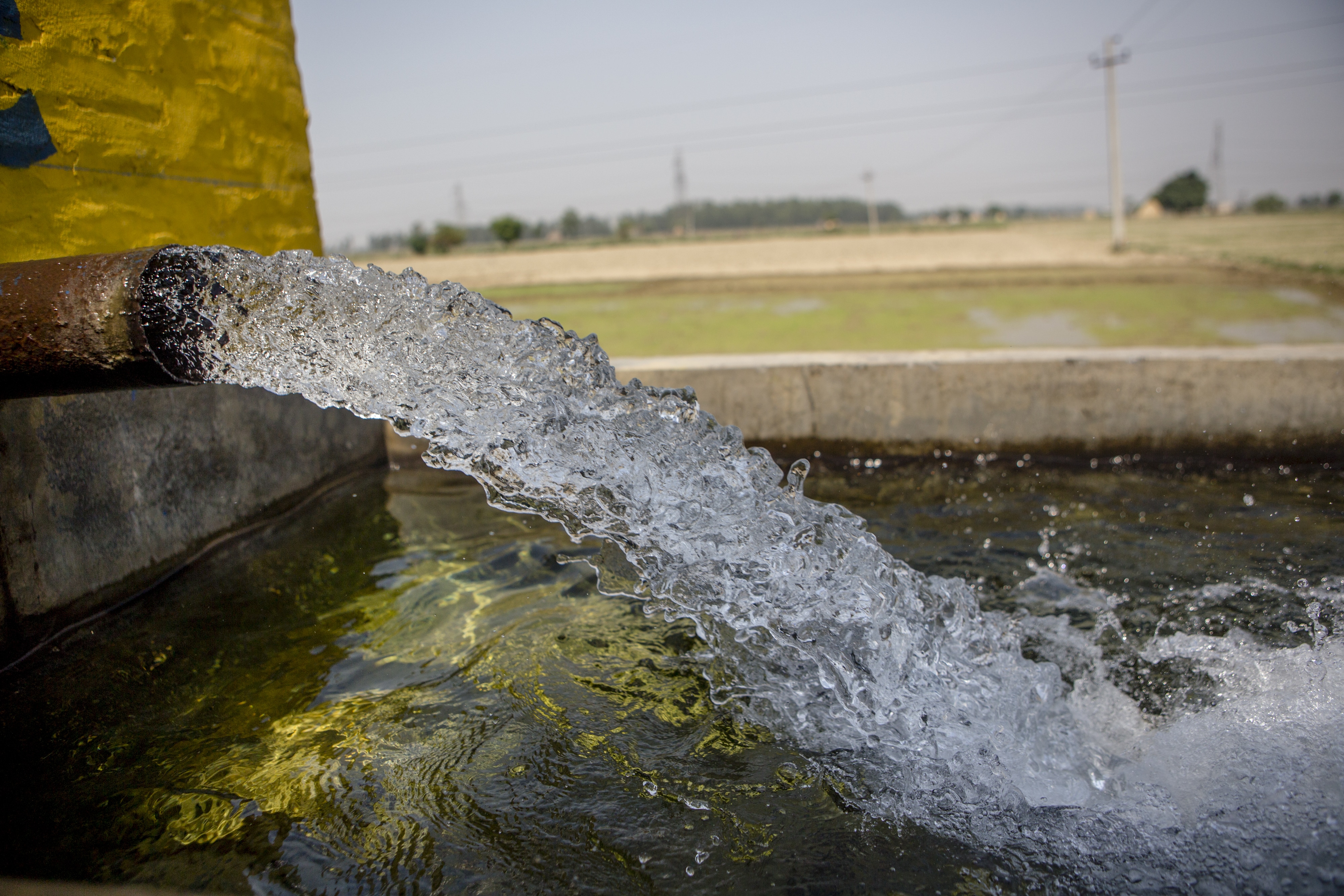
Time and again, hawks in India have threatened to ‘weaponise' the waters of the Indus River basin to teach Pakistan a lesson. This often happens on the eve of a meeting of the Indus Water Commissioners or whenever hostilities escalate.
After a gap of a year, the Permanent Indus Commission is meeting in Delhi on March 29 and 30. Barely days before the meeting, Union Transport Minister, Nitin Gadkari, has threatened to reduce the flow of water to Pakistan. Although he was speaking at an agricultural leadership summit in Rohtak and his statements may have been aimed at assuaging farmers of water-starved Haryana, coming on the eve of the PIC meeting, Gadkari's statement is likely to be misunderstood.
Pakistani paranoia about water makes it a barometer of hostility with India. Pakistan receives most of its waters from the Indus basin.
Of late, some in Pakistan have come to believe that India may control its dams to either deny water or create floods downstream.
The Indus Waters Treaty divides the six major rivers of the basin between India and Pakistan. The three western rivers—Indus, Chenab, and Jhelum—are allocated to Pakistan and the three eastern ones—Ravi, Sutlej, and Beas—to India. Referring to the three eastern rivers of the Indus Basin, Gadkari said that three dams would be built in Uttarakhand to prevent the unutilised share of India in the river waters from flowing to Pakistan. As none of the rivers of the Indus Basin flow through Uttarakhand, Gadkari probably meant Himachal Pradesh.
 Nitin Gadkari/Twitter) ">
The hydroelectric power potential of the three eastern rivers is estimated to be 18,600 Megawatt. Of this, only 11,406 Megawatt is either being used or is part of plans for usage. Constructing more dams and further diversion of water for irrigation could reduce the flow to Pakistan.
This is not the first time that India has threatened to throttle water supply in the Indus Basin. In the wake of a terrorist attack on an army camp in Uri in September 2016, Prime Minister Narendra Modi had proclaimed that “blood and water and cannot flow together.” He threatened to “review” the IWT and “exploit to the maximum” the waters of the western rivers allocated to Pakistan.
In the aftermath of the Uri attack, India suspended the meeting of the PIC. Eventually, the meeting took place in March 2017. Then again, after a Pakistani army court sentenced an alleged Indian spy, Kulbhushan Jadhav, to death, India cancelled the meeting of the Water Secretaries of the two countries.
India as the upper riparian has positional advantage in controlling the flow of the Indus Basin Rivers. But it lacks the hydrological infrastructure to misuse this advantage. That, however, does not prevent a water-scarce Pakistan from hyping India's advantages and intentions. Aware of this, Indian leaders have tended to feed that fear.
The IWT, however, has survived several wars and upheavals in bilateral relations.
There is little reason to convert a successful treaty into a liability for it has both an interesting history and an exemplary dispute resolution mechanism.
It is an unusual treaty as it does not divide the waters of a river between an upper riparian and a lower riparian country. Instead, it divides the six major rivers of the basin between the two. Although it is a bilateral treaty, it also has the World Bank as a signatory to certain specified provisions.
Anticipating differences between the two countries, the IWT also provides for a three-level escalation for dispute resolution. The IWT disputes between India and Pakistan arise because of different interpretations of the treaty provisions for constructing run-of-the-river hydroelectric projects by India on the rivers allotted to Pakistan.
While not all run-of-the-river projects require water storage as the name itself suggests, some of them do. After the stored water is used to run turbines it flows back into the main river course. Whenever India initiates a run-of-the-river project on the western rivers, it has to get PIC approval.
Irrespective of the outcome of the PIC meeting and the India factor, Pakistan is moving towards a water crisis.

Also Read: Letting Go Of The Dalai Lama And Tibet
In the early 1950s, Pakistan was a water abundant economy with a per capita water availability of 5,260 cubic metres per annum. By 2013 this had gone down to 964 cubic metres and by 2035, Pakistan is expected to become an ‘absolute water-scarce country' with less than 500 cubic metres per capita per annum water availability.
Pakistan's water woes are intensified by its high population growth rate, poor water utilisation, inadequate investment in dams, existing big dams like Tarbela, Mangla and Chashma Barrage losing storage capacity due to silting and huge conveyance losses in canals and urban municipal pipelines.
That India is not to blame for the water woes of Pakistan was settled by Pakistan Senate's Standing Committee on Water and Power in July 2015. It held that India was using less than its allocated share in the western rivers under the IWT and was therefore not responsible for Pakistan's water shortage.
If it cannot help the people of Pakistan, then it should not unnecessarily alienate them while taking on the Pakistani State. That only takes the public pressure away from the mismanagement of water by the State to wrongly shift the blame onto India.
Bharat Bhushan is a journalist based in Delhi.
The views expressed here are those of the author's and do not necessarily represent the views of Bloomberg Quint or its editorial team.

-
Getting To Work Costs Women More | The Reason Why

It is not just about women paying more than men. It is about women paying much more in cities than in villages.
-
AI Bias In Investing Cannot Be Eliminated, But It Can Be Governed
Framing is a particularly important example as identical financial information presented in terms of gains rather than losses can lead an LLM to reach a different assessment.
-
Joining The Dots | Dark Skies, Steady Diya: Why Hope Holds This Diwali
With war, a weak rupee and foreign outflows weighing on sentiment, policymakers at the NDTV World Summit and market veterans at NDTV Profit Ignite: Diwali Edition offered the same advice: stay invested and filter out the noise.
-
The Curious Case of Equitas Small Finance Bank And A CEO Who Quit For Stock
PN Vasudevan believes persistent investor concerns over a perceived conflict of interest had become a governance overhang on Equitas Small Finance Bank's stock, even as the lender improved profitability and asset quality.
-
Talking Points This Week: AI Cash Burn, A Tiger Comeback And An India That Still Finds Its Own Path
India is not immune to higher oil or tighter global liquidity, yet its earnings base is broader, its domestic policy levers are still available.
-
Foreign Investors Own Half Of HDFC Bank and ICICI Bank. An LTCG Cut Could Matter Most Here
Foreign portfolio investors have US$115 billion parked in HDFC Bank, ICICI Bank. If the government cuts long-term capital gains tax, Jefferies says returning foreign money could land here first.
-
'Never Seen This Level Of Negativity': Sandeep Tandon Says The Next Rally May Be Closer Than You Think
Veteran investor Sandeep Tandon says foreign selling is easing, large-caps are due a comeback and mid-caps are crowded, while he turns positive on gold, power and pharma this Diwali.
-
Indians Stay With Family, Not In Hotels | The Reason Why
India still lacks enough clean, reliable and affordable hotels for budget-conscious travellers.
-
The Economic Imperative: Analysing The Material Driving Force Behind India-Canada Strategic Reset
This economic complementarity is further reinforced by deep institutional investment ties and talent mobility, which form the bedrock of the bilateral framework.
-
Medicine Pricing: Where Must Profit Stop?
India must confront excessive margins, hidden incentives and regulatory gaps that threaten the integrity of medicine.










