InterGlobe Aviation Reports Five-Fold Jump In March Quarter Profit
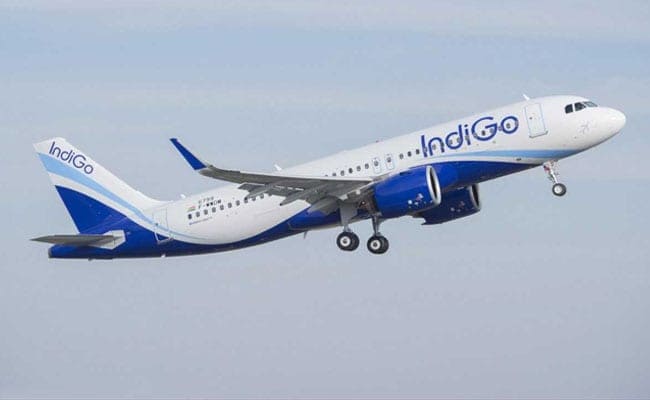
Interglobe Aviation, the owner of budget airline IndiGo, forecast a strong year ahead on Monday, after the collapse of Jet Airways helped the company report a five-fold jump in profit for the fourth quarter.
IndiGo, the country's largest airline by market share, gained passengers in recent months given funding woes at Jet Airways, which started grounding its fleet early this year. Jet was forced to stop all operations eventually.
"Looking ahead, it is difficult not to be bullish about the future," Chief Executive Officer Ronojoy Dutta said in a statement.
On a post-earnings call Mr Dutta said the shutdown at Jet increased revenue per available seat kilometre by 3 per cent-4 per cent. That number, a measure of the carrier's operating earnings, rose 5.9 per cent to Rs 3.63 in January-March.
Available seat kilometres, a measure of the airline's passenger carrying capacity, is expected to rise 30 per cent in the current fiscal year.
High fuel prices, a weak rupee and an intense competition hurt profitability in the first half of the year, Mr Dutta said, adding there was "a sharp recovery" in the second half.
Jet's troubles have allowed IndiGo and other carriers such as SpiceJet to raise prices on some routes.
IndiGo's passenger yield, a measure of airfare, rose 12 per cent during the quarter.
"The biggest positive here is the increase in yield, which is largely due to Jet Airways," said Paarth Gala, aviation analyst with Prabhudas Lilladher.
"Yield will be firm going forward."
CEO Dutta said Jet's grounding helped IndiGo raise fares, but it will see the boost to ticket prices ease by June.
Profit for the reported quarter rose to Rs 590 crore ($84.87 million) for the quarter ended March 31 compared with Rs 118 crore a year earlier.
Shares of the company closed at record highs, up 2.5 per cent in a broader Mumbai market, which ended 0.7 per cent higher.

-
Extracting Value From Battery Scrap Could Be Challenging For India | The Reason Why

A discarded lithium-ion battery still contains valuable materials such as lithium, nickel and cobalt. These can be recovered and reused. When such batteries are crushed and shredded, they produce a dark powder called black mass.
-
One El Nino, India Can Handle. Two Could Break The Granary
India's grain stocks can absorb one bad year, but a second El Nino could drain the buffer in two to three years, economists say.
-
India's Troika Of Good Luck | Joining The Dots
As Jensen Huang's exit drags Nvidia down, a cooling AI trade and resilient earnings have revived investor interest in India. A likely RBI rate hike looms.
-
Talking Points This Week: Leadership Shock At Nvidia, Earnings Strength, And The Fog Over Hormuz
The Anthropic IPO pricing and first trading day, Nvidia's upcoming earnings, and any fresh signals from Iran will set the tone for the following week.
-
Signature Play: The Classic Cocktail Is Dead. Or Is It?
Classic cocktails are disappearing from India's cocktail menus. But they're still being ordered, taught to bartenders and borrowed from. So, who's really having the last drink?
-
A New Samvat Wishlist: Inclusive Prosperity And Human Development
India has strengthened its economic foundations through infrastructure, digital access and enterprise. Its next growth chapter must deepen productivity, create better livelihoods and widen participation in prosperity.
-
Love, Sex Aur Dhokha: The Audacious Plot To Spy On Jensen Huang
A Taipei dinner, a Singapore chip buyer and a suspected Chinese asset: inside the alleged spy operation that got close to NVIDIA's Jensen Huang.
-
Ten Things I Learnt This Samvat
Patience can be a trap. Cheap stocks can stay cheap. Leverage can wipe you out. What did Samvat 2082 teach us? Niraj Shah writes on 10 lessons from the year gone by.
-
Talking Points This Week: Tech Nerves, FII Buying, And A Faraway Banking Shock
The global markets are not shining this Diwali. The exception in the large markets is, India.
-
Midterm Rally Lasted A Day. The Hard Reality Of A Divided US May Last Two Years | Opinion
Between a contested AI boom, a debt ceiling that arrives in 2027 and a president with every incentive to act alone, the next two years may prove more volatile than the first day's rally suggests.









