India's Road To $10-Trillion Digital Payments Economy By 2026 — In Charts

Cashless payments in India are expected to surge more than threefold to $10 trillion by 2026, propelled by adoption in small cities and towns across India, according to a report.
Two in every three or 65% transactions by 2026 will be through cashless channels, according to a report by the Boston Consulting Group and PhonePe. While metros have already witnessed high penetration, the next phase of growth is likely to come beyond large cities, it said.
“As evidenced in the past two years, tier 3-6 cities have contributed to nearly 60-70% of new mobile payment customers,” said the report titled "Digital payments in India: A $10 trillion opportunity".
Here's how India's payments landscape will change in five years through 2026 in charts:
UPI All The Way, And Not Done Yet

The United Payments Interface "supercharged India's transition to non-cash payments, especially in person-to-person fund transfers and low value merchant payments", the report said. UPI usage soared ninefold by volume in the last three years to 4,600 crore transactions that account for 60% of non-cash volumes. They stand at nine times the credit and debit card payment volumes.
Still, UPI is estimated to grow to 75% of total digital transaction volumes in five years, eating into the share of NEFT, internet banking and pre-paid instruments, the report said.
The UPI usage is led by Walmart-owned PhonePe, followed by Google Pay and Paytm. And QR code-based merchant payments was a big contributor, rising 12 times in the last five years. In comparison, the growth in point-of-sales terminals remained stagnant at around 60 lakh in FY22, the report said.
Digital merchant payments now account for nearly half of the cashless payments compared with 18% in 2018.
India's Digital Push: The Journey So Far
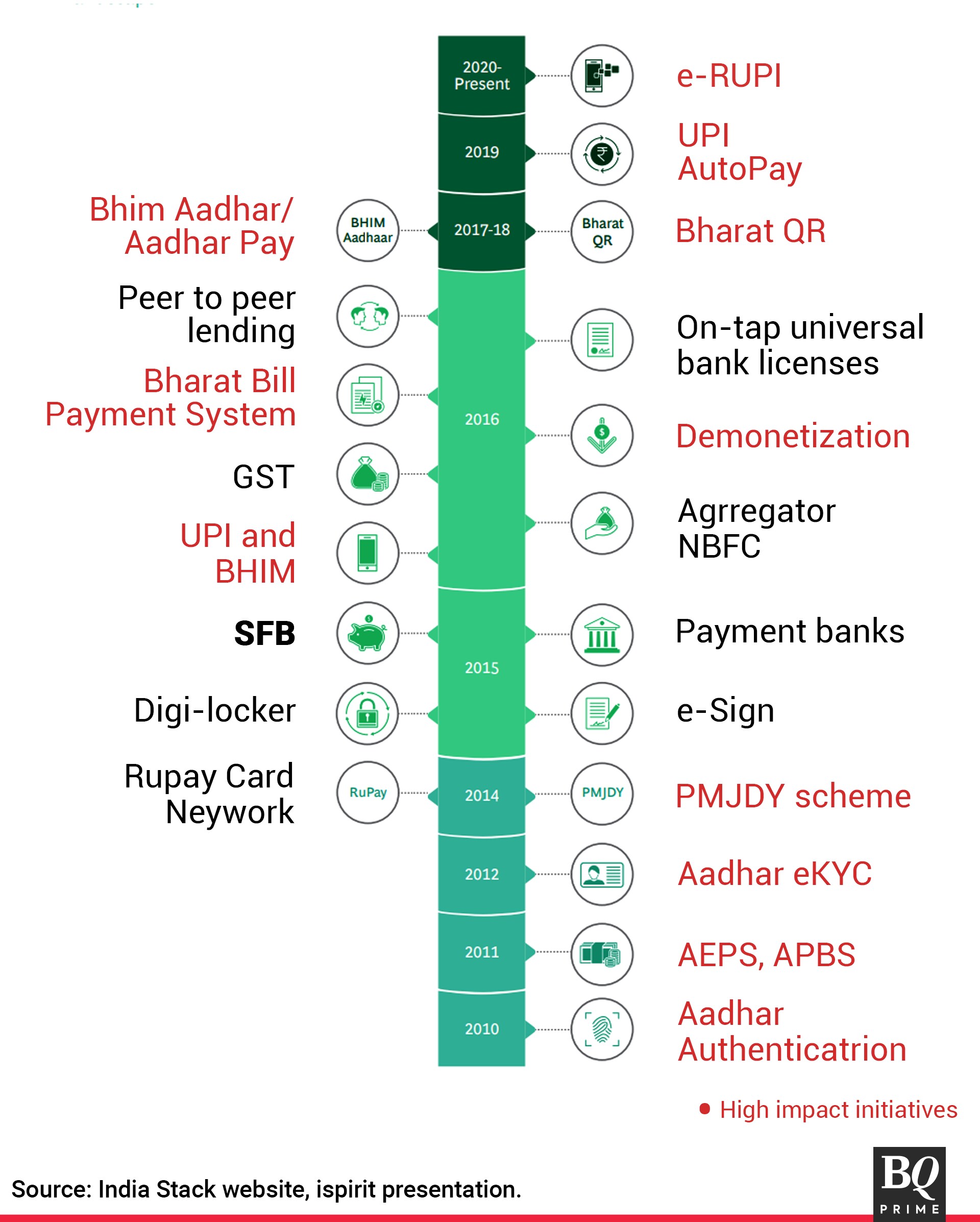
Enabling policy changes that drove the digital shift began with Aadhaar authentication in 2010. Demonetisation accelerated the adoption. And it was aided by the “JAM trinity”—Jan Dhan Yojana, Aadhaar-based unique identification numbers enabling KYC and rapid increase in mobile devices and low-cost internet. The Covid-19 pandemic forced consumers to switch to cashless payments to avoid the risk of infection, it said.
India's Digital Map: Who Leads
The adoption of digital transactions has transformed the nation's payments map. While tier 1 and 2 cities have been the front-runners, the southern and western states like Maharashtra, Telangana, Andhra Pradesh and Karnataka have been ahead of the northern, northeastern and central peers in the last three years, according to the report, citing PhonePe pulse data. Penetration has increased but unevenly, it said.
Online Merchant Payments: The Next Driver
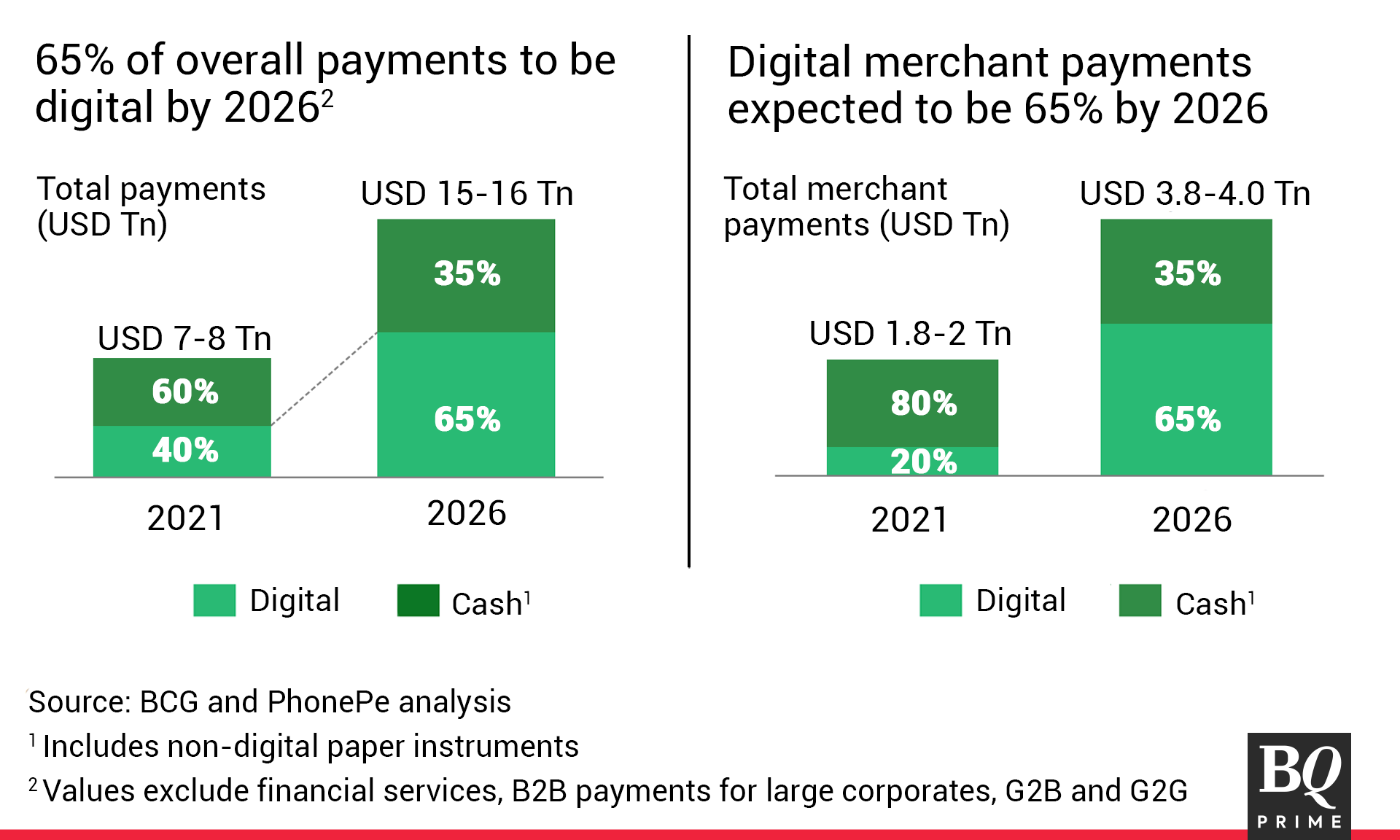
The next big push will come from digital merchant payments. These are expected to hit 65% of the total merchant payments by 2026 compared with 20% now, according to the report.
Other factors that will drive growth are:
Infrastructure push and setting up of a financial services marketplace driving growth in underpenetrated regions
Digitised value chains increasing digital payment adoption
IoT, 5G and central bank digital currency.
Offline QR: The Next Big Thing
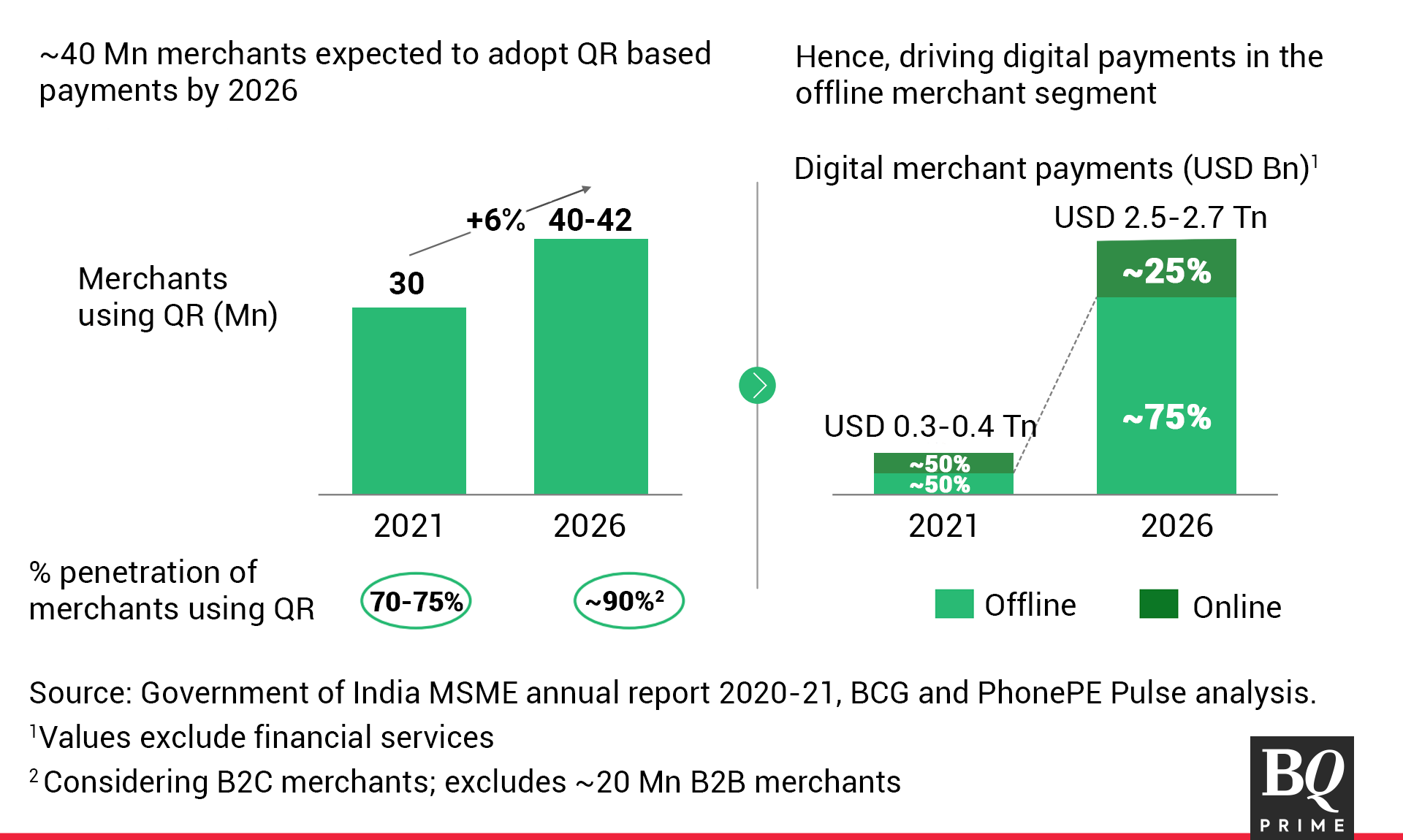
QR-based offline payments will propel digital merchant payments in the next phase, according to the report. These are likely to account for 75% of all cashless merchant transactions by 2026, the report said.
Digital Payments Boost Embedded Finance
Digital payments are also aiding embedded finance, allowing financial services companies to offer investments to loans.
According to the report:
As demat accounts doubled in the last three years, the UPI-based autopay has facilitated systematic investment plans from payment platforms.
The total mandates executed via UPI surged fivefold just in the last six months, reaching around 32 million in March 2022.
The IPO mandates executed via UPI has jumped threefold in the last six months of 2021. Top five remitter banks have seen 30-70% growth in their IPO volumes processed through UPI.
UPI IPO also aided participation in market offerings by simplifying the process.
Buy-now-pay-later or BNPL is expected to grow at 35-40% over the next five years, led by rapid growth in consumerism and online spending.
There will be a rapid rise of ecosystems where credit will get embedded within the digital payments journey.
New Credit Insights
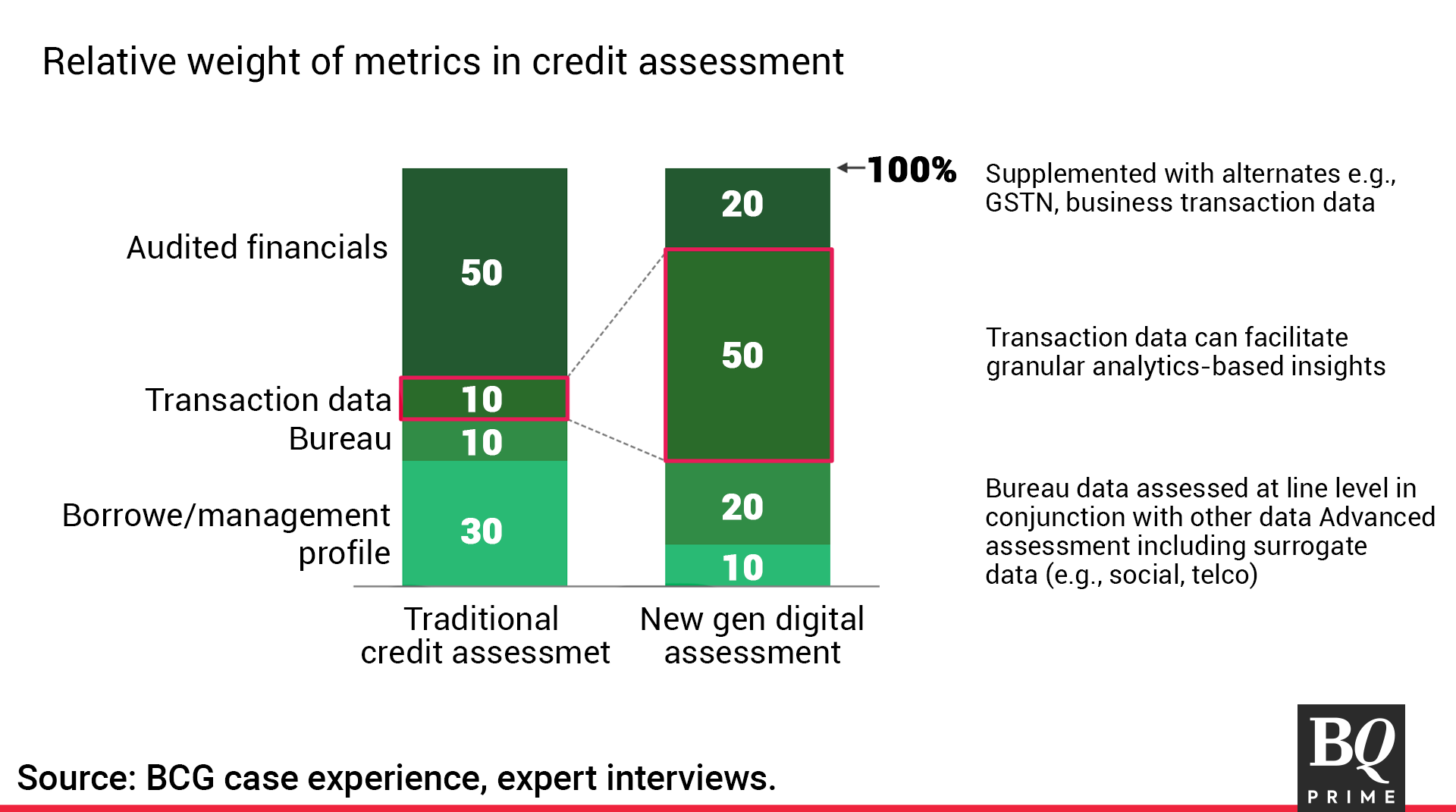
A digital trail created by cashless payments will enable access to credit, empowering the merchant to invest in business opportunities, driving potentially higher earnings, which could further create wider access to credit for the merchant, the report said. Transparency due to digital payments could enhance tax compliance and GST collections, it said.
The relative weight of transaction data in credit assessment has changed from about 10% to around 50%, it said. The new generation digital assessment of creditworthiness of merchants using transaction data will become increasingly relevant with growth in cashless payments, it said.
Digital Infrastructure Stretched
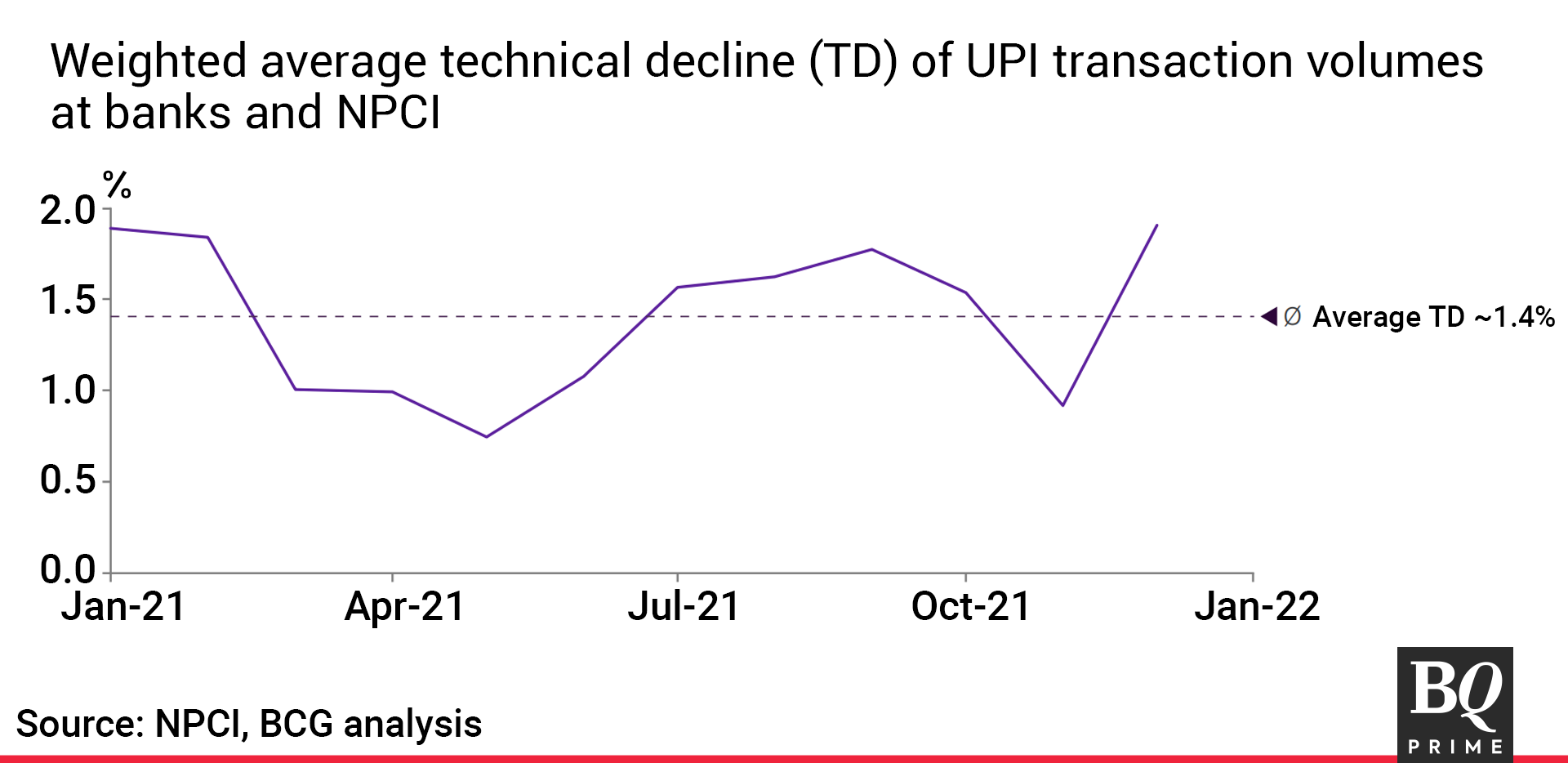
The exponential surge in digital payments has also induced strain on banking infrastructure. Banks and National Payments Corporation of India experience 1.4% technical declines in UPI transaction volumes due to unavailability of systems and network issues, the report noted.
That, the report said, can be mitigated by migration to cloud infrastructure by managing transactions outside the core system and marking net ledger entries at the end of the day.

-
Talking Points This Week: Leadership Shock At Nvidia, Earnings Strength, And The Fog Over Hormuz

The Anthropic IPO pricing and first trading day, Nvidia's upcoming earnings, and any fresh signals from Iran will set the tone for the following week.
-
Signature Play: The Classic Cocktail Is Dead. Or Is It?
Classic cocktails are disappearing from India's cocktail menus. But they're still being ordered, taught to bartenders and borrowed from. So, who's really having the last drink?
-
A New Samvat Wishlist: Inclusive Prosperity And Human Development
India has strengthened its economic foundations through infrastructure, digital access and enterprise. Its next growth chapter must deepen productivity, create better livelihoods and widen participation in prosperity.
-
Love, Sex Aur Dhokha: The Audacious Plot To Spy On Jensen Huang
A Taipei dinner, a Singapore chip buyer and a suspected Chinese asset: inside the alleged spy operation that got close to NVIDIA's Jensen Huang.
-
Ten Things I Learnt This Samvat
Patience can be a trap. Cheap stocks can stay cheap. Leverage can wipe you out. What did Samvat 2082 teach us? Niraj Shah writes on 10 lessons from the year gone by.
-
Talking Points This Week: Tech Nerves, FII Buying, And A Faraway Banking Shock
The global markets are not shining this Diwali. The exception in the large markets is, India.
-
Midterm Rally Lasted A Day. The Hard Reality Of A Divided US May Last Two Years | Opinion
Between a contested AI boom, a debt ceiling that arrives in 2027 and a president with every incentive to act alone, the next two years may prove more volatile than the first day's rally suggests.
-
Blue Wave Will Derail the AI Trade but Won't Dismantle the AI Era | Unhedged Position
The Democrats' sweep of the US Congress will see politics collide with economic forces both over the long and short term.
-
It's Time To Take The GST Council's Bet On Trust Global
Payment records can prove India's services exports, and clear, proportionate rules can bring foreign digital sellers into the tax net.
-
Opinion | India at 38: From Innovation Overperformer to Innovation Powerhouse
India now has 453 VC-backed deep science startups, 18 of them late-stage, after 117 percent growth since 2020. Laurus Labs, at USD 9.3 billion, is the most valuable deep science company in any middle-income economy outside China.









