India’s Richest Are Not Following Azim Premji’s Lead
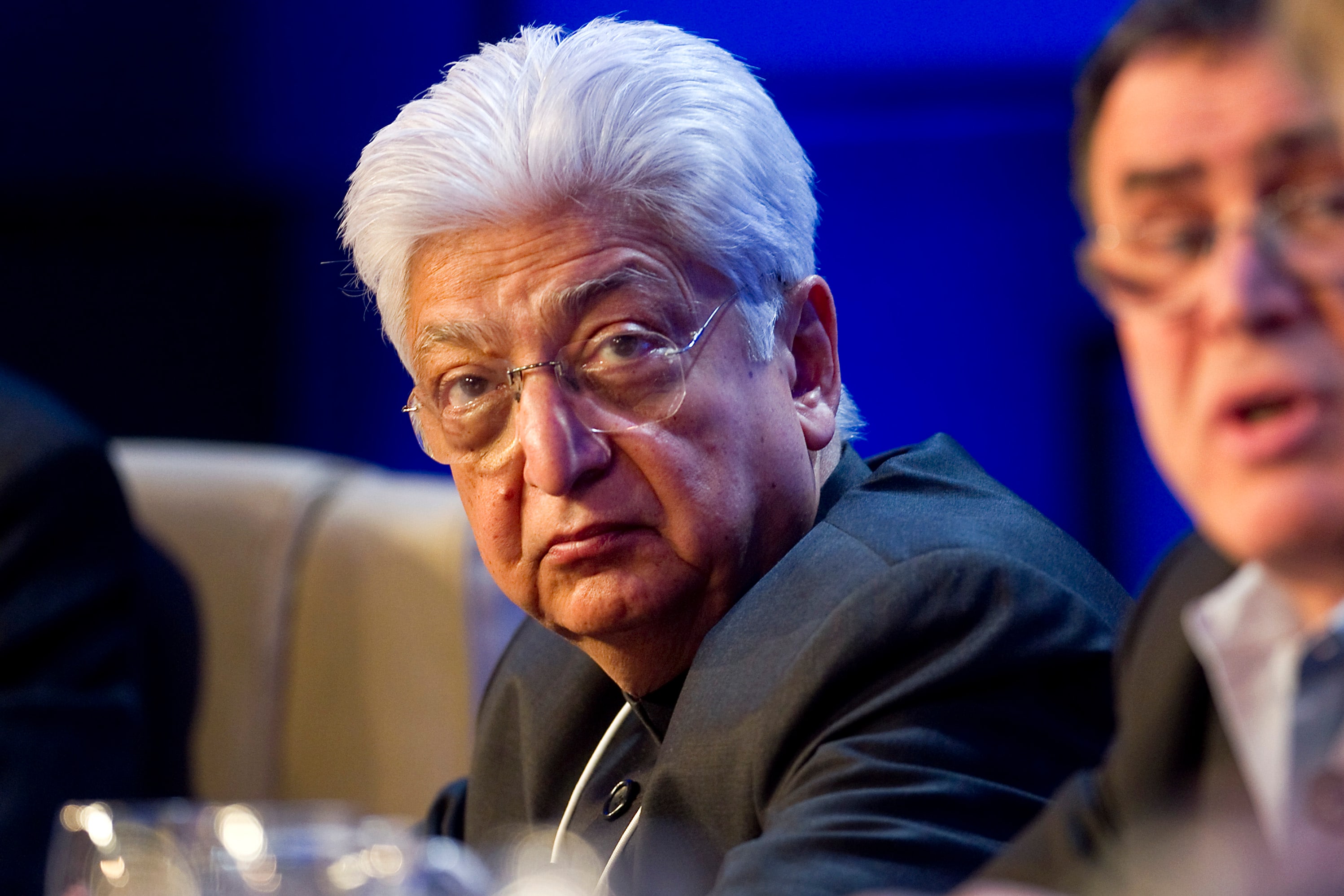
With Wipro chairperson Azim Premji giving away 34 percent of his shares in Wipro, estimated to be worth $7.5 billion, on March 13, his contribution to philanthropic causes now stands at $21 billion, a wide lead over his fellow Indian billionaires.
Premji single-handedly makes up for 80 percent of the large contributions (more than Rs 10 crore) by individuals since 2014, as per the Bain Philanthropy Report 2019.
If Premji's contribution is taken out, philanthropic donations by India's ultra-high net worth individuals, which the report defines as individuals with a net worth of more than Rs 25 crore ($3.6 million), actually reduced by 4 percent from 2014 to 2018. This is despite the fact that the number of UHNI households grew 12 percent over the last five years, and is expected to double in both volume and wealth by 2022, the report estimates.
The contribution of India's richest to philanthropic activities has grown at a much slower pace than the increase in their wealth.
India's rich are getting richer, as IndiaSpend reported on January 24. The wealth held by the nation's wealthiest 1 percent increased by Rs 20,913 billion ($303 billion) during the year 2017, an amount equal to the central government's total budget that year, as per this report by Oxfam India.
India has 106 billionaires, as per Forbes' 2019 list. This number was actually 12 percent less than in 2018, when a record 121 Indians had made it to the list, an 18 percent increase over 2017, making India the country with the third highest number of ultra-rich individuals, behind China and the U.S.
Large Contributions By Ultra-High Net Worth Individuals Have Decreased 4% Percent Since 2014

While Premji has set an example, not many UHNIs are following.
Mukesh Ambani, for instance, topped Barclay's Hurun India Philanthropy List in 2018 by donating Rs 437 crore for education, healthcare and rural development. This was just 0.1 percent of his wealth, which grew by $10 billion in 2019 over 2018, placing him 13th in the global ranking of individuals with net worth of $50 billion or above.
Indian billionaires who have been more generous, at least in their pledges, include Biocon managing director Kiran Mazumdar-Shaw, whose net worth is estimated at $3.5 billion has pledged to give away 75 percent of her wealth; and Nandan Nilekani, a co-founder of Infosys with a net worth of $2.1 billion, who has pledged to donate 50 percent to charity.
Estimating the ‘strategic giving potential' of rich people, by comparing philanthropic donations in terms of the percentage of net worth contributed per year, the report finds plenty of growth potential - for an increase from Rs 40,000 crore to Rs 60,000 crore ($5.7-8.7 billion) from UHNI donors alone. This would entail a 2.5-3.5 times increase over the current level estimated at Rs 23,000 crore ($3.3 billion; this report includes donations to religious organisations and charities in its definition of philanthropic giving).
Globally, some of the most generous philanthropists have given away much larger chunks of their wealth, proportionally - Bill Gates, with a net worth of $96.5 billion, has given away at least 37 percent of his wealth to the Gates Foundation; and Warren Buffet has promised to give away 99 percent of his estimated $82.5 billion wealth.
Philanthropic giving in India has become more efficient as innovative approaches from the business sector filter through, thanks in no small part to HNWIs' and technology entrepreneurs' engagement in philanthropy, as per a 2017 working paper by Caroline Hartnell of the international alliance Philanthropy for Social Justice and Peace in collaboration with Ashoka University's Centre for Social Impact and Philanthropy.
More philanthropic activity is laying an “emphasis on scale, efficiency, return on capital and impact measurement,” the paper noted, adding, “Venture philanthropy and impact investing are emerging, creating and testing new models for supporting social entrepreneurs working in fields like solar energy and agriculture.”
‘Retail' or individual giving by India's burgeoning middle-class is also increasing, the paper says, saying “this may be the biggest story in Indian philanthropy, and the area with the greatest potential”.
“All kinds of online giving, including crowdfunding, are growing, especially among younger givers,” the paper notes, citing a study by Charities Aid Foundation (CAF) that shows India has added more than 100 million new donors since 2009 (including all adult givers and not specifically high net worth individuals).
Abraham is an intern at IndiaSpend.
This copy was published in a special arrangement with IndiaSpend.

-
Signature Play: The Classic Cocktail Is Dead. Or Is It?

Classic cocktails are disappearing from India's cocktail menus. But they're still being ordered, taught to bartenders and borrowed from. So, who's really having the last drink?
-
A New Samvat Wishlist: Inclusive Prosperity And Human Development
India has strengthened its economic foundations through infrastructure, digital access and enterprise. Its next growth chapter must deepen productivity, create better livelihoods and widen participation in prosperity.
-
Love, Sex Aur Dhokha: The Audacious Plot To Spy On Jensen Huang
A Taipei dinner, a Singapore chip buyer and a suspected Chinese asset: inside the alleged spy operation that got close to NVIDIA's Jensen Huang.
-
Ten Things I Learnt This Samvat
Patience can be a trap. Cheap stocks can stay cheap. Leverage can wipe you out. What did Samvat 2082 teach us? Niraj Shah writes on 10 lessons from the year gone by.
-
Talking Points This Week: Tech Nerves, FII Buying, And A Faraway Banking Shock
The global markets are not shining this Diwali. The exception in the large markets is, India.
-
Midterm Rally Lasted A Day. The Hard Reality Of A Divided US May Last Two Years | Opinion
Between a contested AI boom, a debt ceiling that arrives in 2027 and a president with every incentive to act alone, the next two years may prove more volatile than the first day's rally suggests.
-
Blue Wave Will Derail the AI Trade but Won't Dismantle the AI Era | Unhedged Position
The Democrats' sweep of the US Congress will see politics collide with economic forces both over the long and short term.
-
It's Time To Take The GST Council's Bet On Trust Global
Payment records can prove India's services exports, and clear, proportionate rules can bring foreign digital sellers into the tax net.
-
Opinion | India at 38: From Innovation Overperformer to Innovation Powerhouse
India now has 453 VC-backed deep science startups, 18 of them late-stage, after 117 percent growth since 2020. Laurus Labs, at USD 9.3 billion, is the most valuable deep science company in any middle-income economy outside China.









