India's Nuclear Energy Ambitions At Critical Inflection Point, Says Vinayak Chatterjee
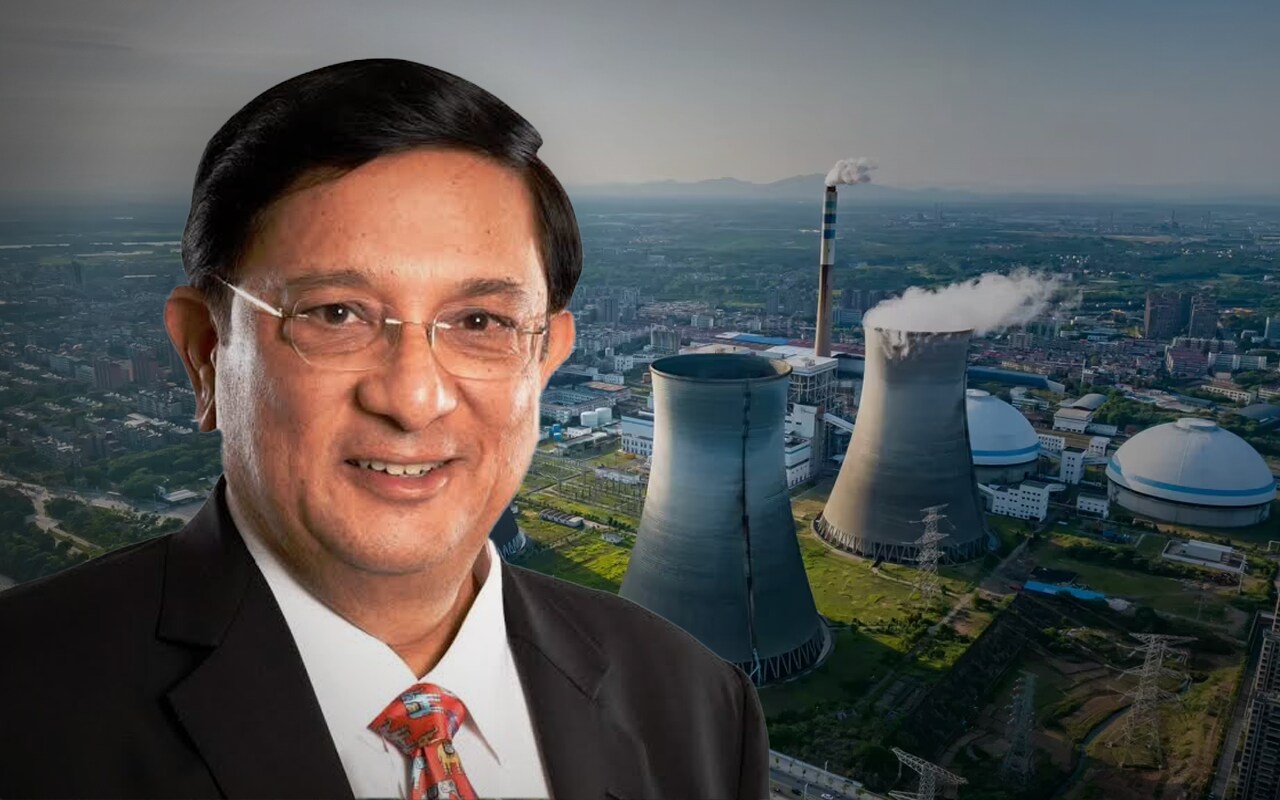
As India's power sector eyes achieving 50 gigawatts of nuclear energy capacity by 2047, Vinayak Chatterjee, founder and managing trustee of The Infravision Foundation, believes the country's nuclear power ambitions are poised at a critical inflection point. A technology long cloistered by global superpowers is now being re-evaluated as a key pillar in India's future energy mix, he said.
"In France, 70% of energy needs are met through nuclear power. Think about that. In India, it's just 2%," the noted infrastructure expert added, while pointing out the scale of untapped potential.
India's nuclear programme, conceptualised as early as the 1950s by Dr Homi Bhabha, has seen little momentum since, Chatterjee said. Nuclear power, once weighed down by geopolitical sensitivities and policy hurdles, is back in focus as the country charts its path to energy security and carbon neutrality.
To meet the ambitious 50 gigawatts target, Chatterjee outlines the need to "open up the field to a large number of investors." Two key roadblocks, however, stand in the way.
Nuclear Energy Evolution In India: What Went Awry
First, the Civil Liability for Nuclear Damage Act of 2010 (often referred to as the Nuclear Liability Act), which puts the onus of liability on suppliers in case of an accident. "India was fairly adamant that the nuclear liability… were to remain with the supplier," Chatterjee said, noting that this stance proved "quite harsh" and significantly stalled the sector's development.
Since then, major players such as Westinghouse Electric, Hitachi Nuclear displayed reluctance and were "cagey" about participation in the fear of being held responsible for any mislead in the "next infinite number of years."
A suggested alternative now is to reduce the liability clause to make it more practical, as stated by Chatterjee. Risks can be split between equipment supplier, the operator, and the situations thereof, indicated the power sector expert.
The second challenge is of financial barrier. "Nuclear power is capex intensive and therefore, in many senses, unviable," Chatterjee said, estimating that building nuclear capacity could require four to six times the capital needed for conventional power.
"Since we're now expecting private players to contribute 50% of capital… you have to look at incentive packages like viability debt funding, soft loans, etc."
The Infravision founder points towards the semiconductor space as an example, where the Tata group has committed Rs 90,000 crore — a "proud investment for India" — backed by 70% government support.
Chatterjee is optimistic. "I am told that the government is alive to the fact that it needs to balance private sector interest and enthusiasm with the necessary safeguards and come up with a package," he said.
Watch Full Interview Here

-
Gold Is Rs 22,000 Cheaper Than A Month Ago. Should You Buy Amid The Wedding Season?

Gold's potential slide to $3,500 could save around Rs 4,700 per 10 grams, but a soft inflation print could just as easily push prices back up. One way to split the risk is to buy in parts, some now and the rest after the Fed's Dec. 9 decision.
-
AI Agents Are Gaining Power. Who Governs Them?
Artificial intelligence agents promise to transform productivity by moving machines from assisting decisions to executing them. But as organisations delegate greater authority to these AI-agents, they must first establish who controls that authority and who remains accountable when things go wrong.
-
Why Swapping Your Old Gold Can Trigger A Rs 5 Lakh Tax Bill, And How You Can Avoid It Legally
Swapping old gold for new is taxed as a sale and a fresh purchase. Getting your own gold remade can cut most of that bill, though it has its own costs.
-
The AI Trade is Done. The Real Opportunity for Investors Starts in 2027 | Unhedged Position
As pureplay AI stocks plunge and circular, capex-led financing unwinds, 2027 is set to be a year of reckoning for AI companies. Yet the bust clears the way for a better opportunity for investors in 2027 -- shifting the spotlight from AI builders to the companies using AI.
-
Leadership As Mission: Why The Age Of AI Demands More Human Leadership
Debjani Ghosh examines how AI is changing leadership, arguing that its success must be measured by its impact on people and the accountability of those guiding its use.
-
We May Need Another Tukaram Mundhe To Fight Air Pollution | The Reason Why
Developers may install basic measures such as sprinklers and green nets, resume work, and continue violating rules when this equipment stops working.
-
Extracting Value From Battery Scrap Could Be Challenging For India | The Reason Why
A discarded lithium-ion battery still contains valuable materials such as lithium, nickel and cobalt. These can be recovered and reused. When such batteries are crushed and shredded, they produce a dark powder called black mass.
-
One El Nino, India Can Handle. Two Could Break The Granary
India's grain stocks can absorb one bad year, but a second El Nino could drain the buffer in two to three years, economists say.
-
India's Troika Of Good Luck | Joining The Dots
As Jensen Huang's exit drags Nvidia down, a cooling AI trade and resilient earnings have revived investor interest in India. A likely RBI rate hike looms.
-
Talking Points This Week: Leadership Shock At Nvidia, Earnings Strength, And The Fog Over Hormuz
The Anthropic IPO pricing and first trading day, Nvidia's upcoming earnings, and any fresh signals from Iran will set the tone for the following week.









