India Loses WTO Appeal In U.S. Solar Dispute
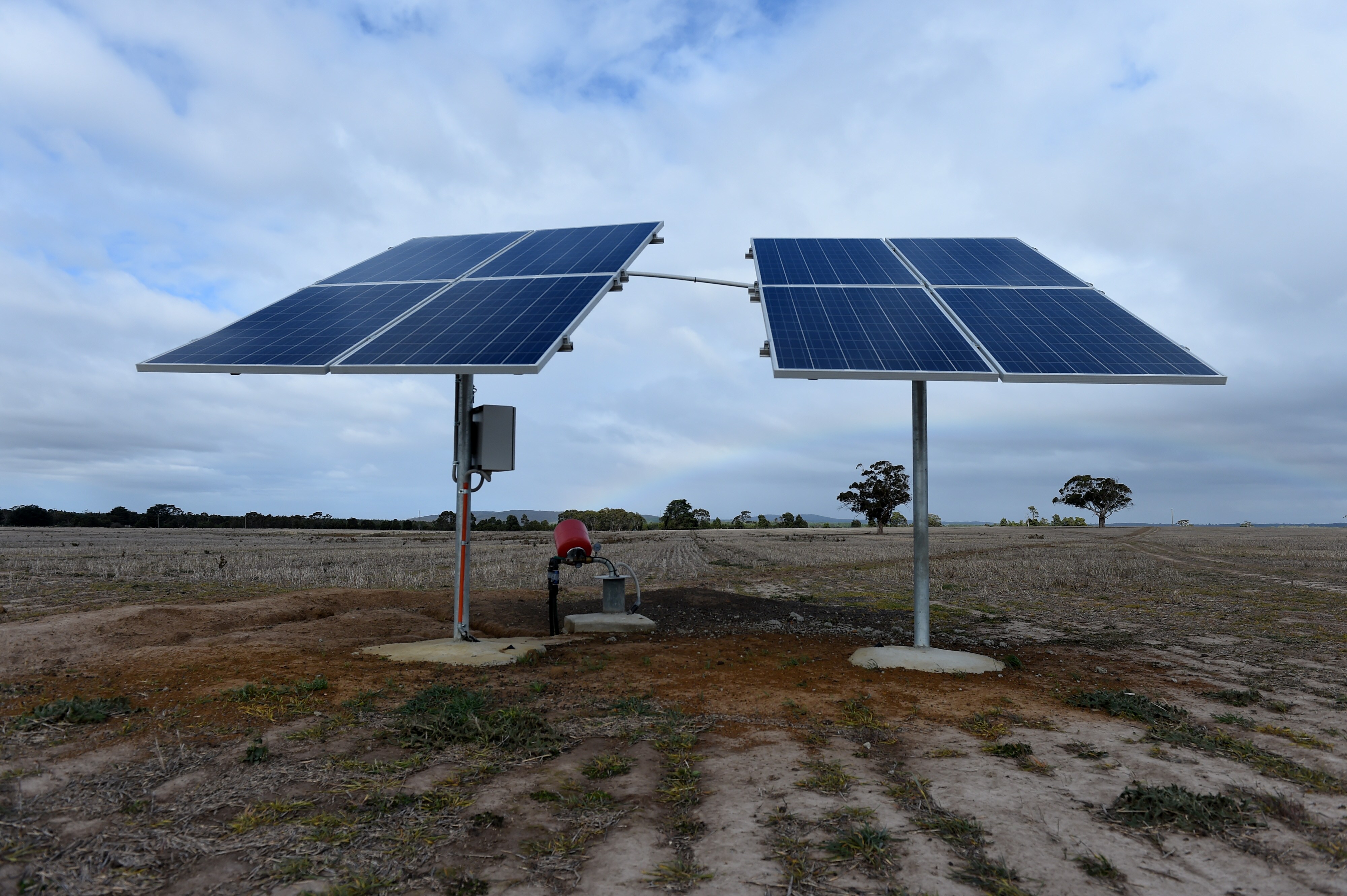
India suffered a setback in its efforts to build a domestic solar industry as the World Trade Organization appellate body upheld the ruling of a panel which had stated that the government's power purchase agreements with solar firms were “inconsistent” with international norms.
The appellate body termed India's domestic content requirements (DCR) for manufacturing solar cells and modules “inconsistent with WTO non‑discrimination obligations.”
India was appealing an earlier WTO order which said that India's indirect benefit framework for supporting domestic solar panel manufacturers was anti-competitive. The WTO was acting on a complaint lodged against the DCR clause in India's Jawaharlal Nehru National Solar Mission (JNNSM) by the United States.
The rationale for the domestic content requirements is to boost domestic manufacturing, say Indian government officials – an extension of sorts of the Make In India programme. But more expensive solar panels lead to more expensive solar power. To offset this the Indian government subsidises the electricity cost so that it can find buyers. This is done via a Viability Gap Fund (VGF) support of Rs 1 crore per megawatt for solar power project developers.
The DCR and VGF protect Indian solar panel manufacturers and solar power project developers, thus prompting a dramatic fall in the import of solar panels, especially from the U.S. The Office of the U.S. Trade Representative (USTR) complained to the WTO and the international trade body ruled against India in the matter.
In its appeal to the WTO order, India had claimed that these benefits are legitimate as they are for manufacturers offering their products to government agencies. India claimed that, “the DCR measures are laws, regulations or requirements ‘governing' procurement and that the procurement under the DCR measures is ‘by governmental agencies', and that we find that the procurement under the DCR measures is of products purchased ‘for governmental purposes' and ‘not with a view to commercial resale.'”
This aspect of the support programme for domestic manufacturing has been specifically addressed by the WTO appellate body. The body notes, “The panel also found that the measures are not covered by the government procurement exemption under Article III:8(a) of the GATT 1994, because the product being procured (electricity) was not in a “competitive relationship” with the product discriminated against (solar cells and modules).
Moreover, the panel found that India had not demonstrated that its measures are justified under Article XX(j), applicable to measures that are essential to the acquisition or distribution of “products in general or local short supply”, or Article XX(d), which establishes a general exception for measures necessary to “secure compliance” with a WTO Member's “laws or regulations” which are not themselves GATT-inconsistent.”
The United States Trade Representative Michael Froman welcomed the WTO appellate body's order and noted in a statement that, “since India enacted these (DCR) requirements in 2011, American solar exports to India have fallen by more than 90 percent…The Appellate Body today affirmed an earlier WTO panel report agreeing with the United States that India's domestic content requirements discriminated against American-made and other imported solar products, in breach of international trade rules.”
While India's next move in this dispute is not yet clear, a direct subsidy option for domestic solar panel manufacturing may be a viable solution. BloombergQuint had reported in May this year that India will look at this option after it failed to defend existing benefits before a World Trade Organization panel.

-
One El Nino, India Can Handle. Two Could Break The Granary

India's grain stocks can absorb one bad year, but a second El Nino could drain the buffer in two to three years, economists say.
-
India's Troika Of Good Luck | Joining The Dots
As Jensen Huang's exit drags Nvidia down, a cooling AI trade and resilient earnings have revived investor interest in India. A likely RBI rate hike looms.
-
Talking Points This Week: Leadership Shock At Nvidia, Earnings Strength, And The Fog Over Hormuz
The Anthropic IPO pricing and first trading day, Nvidia's upcoming earnings, and any fresh signals from Iran will set the tone for the following week.
-
Signature Play: The Classic Cocktail Is Dead. Or Is It?
Classic cocktails are disappearing from India's cocktail menus. But they're still being ordered, taught to bartenders and borrowed from. So, who's really having the last drink?
-
A New Samvat Wishlist: Inclusive Prosperity And Human Development
India has strengthened its economic foundations through infrastructure, digital access and enterprise. Its next growth chapter must deepen productivity, create better livelihoods and widen participation in prosperity.
-
Love, Sex Aur Dhokha: The Audacious Plot To Spy On Jensen Huang
A Taipei dinner, a Singapore chip buyer and a suspected Chinese asset: inside the alleged spy operation that got close to NVIDIA's Jensen Huang.
-
Ten Things I Learnt This Samvat
Patience can be a trap. Cheap stocks can stay cheap. Leverage can wipe you out. What did Samvat 2082 teach us? Niraj Shah writes on 10 lessons from the year gone by.
-
Talking Points This Week: Tech Nerves, FII Buying, And A Faraway Banking Shock
The global markets are not shining this Diwali. The exception in the large markets is, India.
-
Midterm Rally Lasted A Day. The Hard Reality Of A Divided US May Last Two Years | Opinion
Between a contested AI boom, a debt ceiling that arrives in 2027 and a president with every incentive to act alone, the next two years may prove more volatile than the first day's rally suggests.
-
Blue Wave Will Derail the AI Trade but Won't Dismantle the AI Era | Unhedged Position
The Democrats' sweep of the US Congress will see politics collide with economic forces both over the long and short term.









