Cost Of Living To Keep Rising Beyond Reach For A Large Population: Report
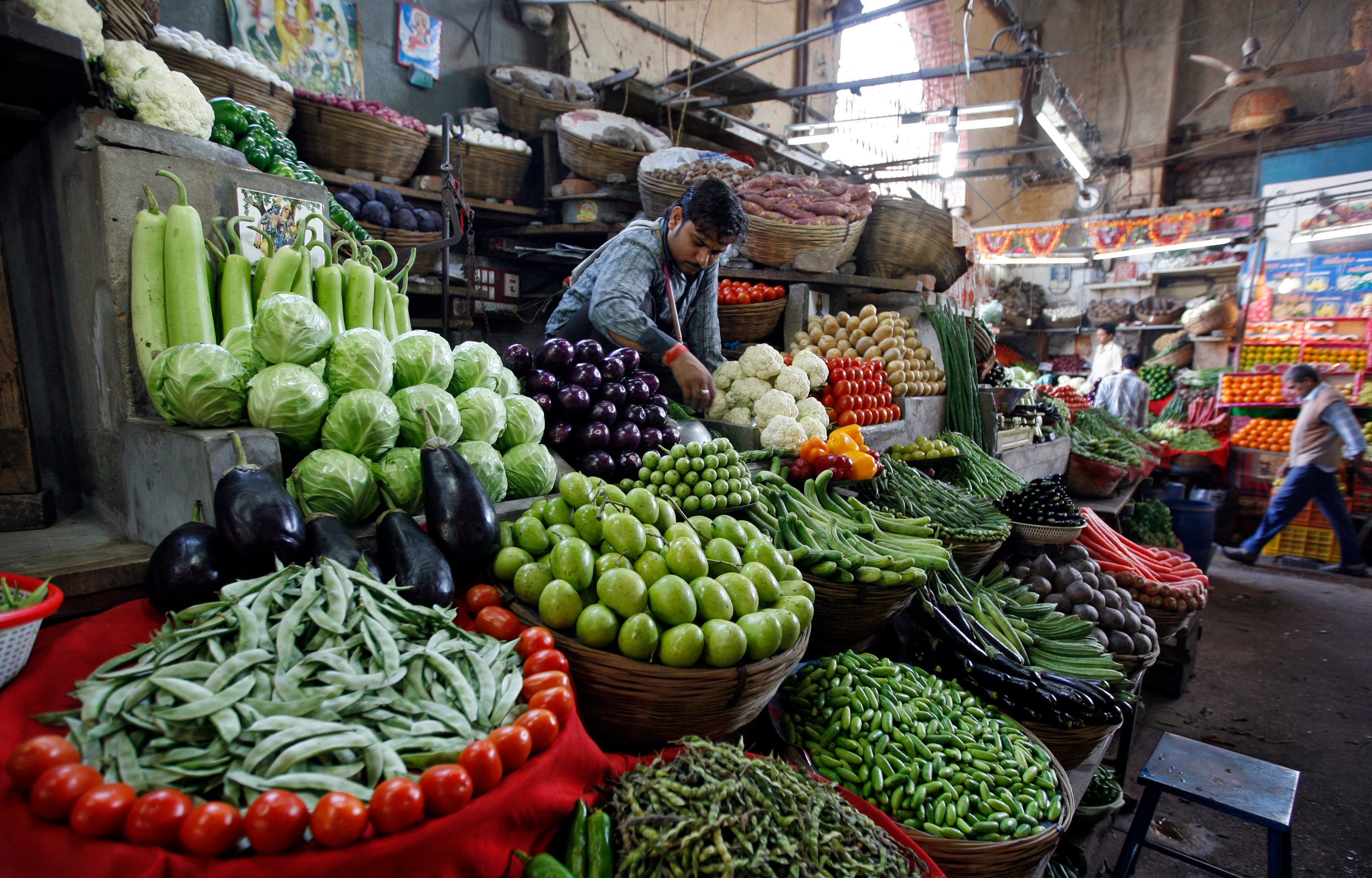
India's inflation will hold above the top of the central bank's tolerance band for at least the rest of 2022, longer than previously thought, making several more interest rate hikes in coming months all but inevitable, a Reuters poll showed.
That would suggest the cost of living will likely keep rising beyond reach for a large population of the country, where the top 10 per cent earns Rs 25,000 on average per month, according to the latest State of Inequality in India Report by the Economic Advisory Council released in May.
Highlighting a vast income distribution disparity in the country, that report showed the top one per cent of the country accounts for 5 to 7 per cent of the national income, while around 15 per cent of the working population earns less than Rs 5,000 (about $64) a month.
The latest Reuters poll showed, one of the later entrants in the current round of global monetary policy tightening, the Reserve Bank of India raised its repo rate by a total of 90 basis points in May and June, but the inflation outlook has deteriorated since an April poll.
Soaring global commodity prices have kept inflation above the RBI's 6 per cent upper tolerance range all year.
So far, New Delhi's fiscal response to rising costs of living in the country of 1.4 billion has been modest.
Inflation was set to measure 7.3 per cent and 6.4 per cent in Q3 and Q4 2022, respectively, according to forecasts from the July 4-11 Reuters poll. In the previous poll, inflation was set to return to the RBI's tolerance band by end-year.
"In India, inflation will prove a lot more stubborn than it will in other parts of the region. Things will get better, but they will get better much faster in other parts of Asia," said Miguel Chanco, chief emerging Asia economist at Pantheon Macroeconomics.
Average inflation this fiscal year was pencilled in at 6.8 per cent according to a survey of 42 economists, a sharp upgrade from 5.5 per cent in the April poll, coming down to 5.2 per cent and 4.7 per cent in the following two years, respectively.
The RBI is expected to further hike the repo rate, currently at 4.90 per cent, by another three-quarters of a percentage point to 5.65 per cent by end-year. That is slightly higher than a separate survey taken in June, which put rates at 5.50 per cent by then.
In the latest poll, over half of the economists, 25 of 48, forecast rates to be at 5.50 per cent or higher by the end of this quarter.
Among those who provided a forecast for the August meeting, more than one-quarter, 10 of 35, expected the RBI to hike by 35 basis points to 5.25 per cent at its meeting next month, while 14 expect a smaller quarter-point hike. Nine said the RBI would raise by 50 basis points, one said 40 and one said 30.
While India remains one of the fastest-growing major economies, growth is forecast to average 7.2 per cent this fiscal year, slightly lower than the 7.5 per cent pace estimated in a previous Reuters poll, and in line with the RBI's 7.2 per cent projection.
"India would still remain one of the fastest growing economies... but India's growth will be still pretty weak by the standards of what India requires," said Kunal Kundu, economist at Societe Generale.
"The less-appreciated challenge for the Indian economy is the fact domestic demand is weak...simply because jobs are not being generated to the extent they should have."
Asked how the employment situation has changed over the past month, 15 of 27 said it had improved slightly, with the remaining 12, over 40 per cent, saying it had worsened slightly.
Still, the cost of living crisis is not expected to ease significantly until at least next year. Of economists who answered an extra question, 20 of 26 said it would take at least six months or more. The remaining six said within six months.
A weakening rupee has exacerbated the issue further. The currency, already down over 6 per cent for the year due to higher oil prices - India's biggest import - was expected to set a new record low of 80 to the dollar by September, a separate Reuters poll found.

-
Signature Play: The Classic Cocktail Is Dead. Or Is It?

Classic cocktails are disappearing from India's cocktail menus. But they're still being ordered, taught to bartenders and borrowed from. So, who's really having the last drink?
-
A New Samvat Wishlist: Inclusive Prosperity And Human Development
India has strengthened its economic foundations through infrastructure, digital access and enterprise. Its next growth chapter must deepen productivity, create better livelihoods and widen participation in prosperity.
-
Love, Sex Aur Dhokha: The Audacious Plot To Spy On Jensen Huang
A Taipei dinner, a Singapore chip buyer and a suspected Chinese asset: inside the alleged spy operation that got close to NVIDIA's Jensen Huang.
-
Ten Things I Learnt This Samvat
Patience can be a trap. Cheap stocks can stay cheap. Leverage can wipe you out. What did Samvat 2082 teach us? Niraj Shah writes on 10 lessons from the year gone by.
-
Talking Points This Week: Tech Nerves, FII Buying, And A Faraway Banking Shock
The global markets are not shining this Diwali. The exception in the large markets is, India.
-
Midterm Rally Lasted A Day. The Hard Reality Of A Divided US May Last Two Years | Opinion
Between a contested AI boom, a debt ceiling that arrives in 2027 and a president with every incentive to act alone, the next two years may prove more volatile than the first day's rally suggests.
-
Blue Wave Will Derail the AI Trade but Won't Dismantle the AI Era | Unhedged Position
The Democrats' sweep of the US Congress will see politics collide with economic forces both over the long and short term.
-
It's Time To Take The GST Council's Bet On Trust Global
Payment records can prove India's services exports, and clear, proportionate rules can bring foreign digital sellers into the tax net.
-
Opinion | India at 38: From Innovation Overperformer to Innovation Powerhouse
India now has 453 VC-backed deep science startups, 18 of them late-stage, after 117 percent growth since 2020. Laurus Labs, at USD 9.3 billion, is the most valuable deep science company in any middle-income economy outside China.









