India’s Electric Car Rollout Is Undergoing A Rethink
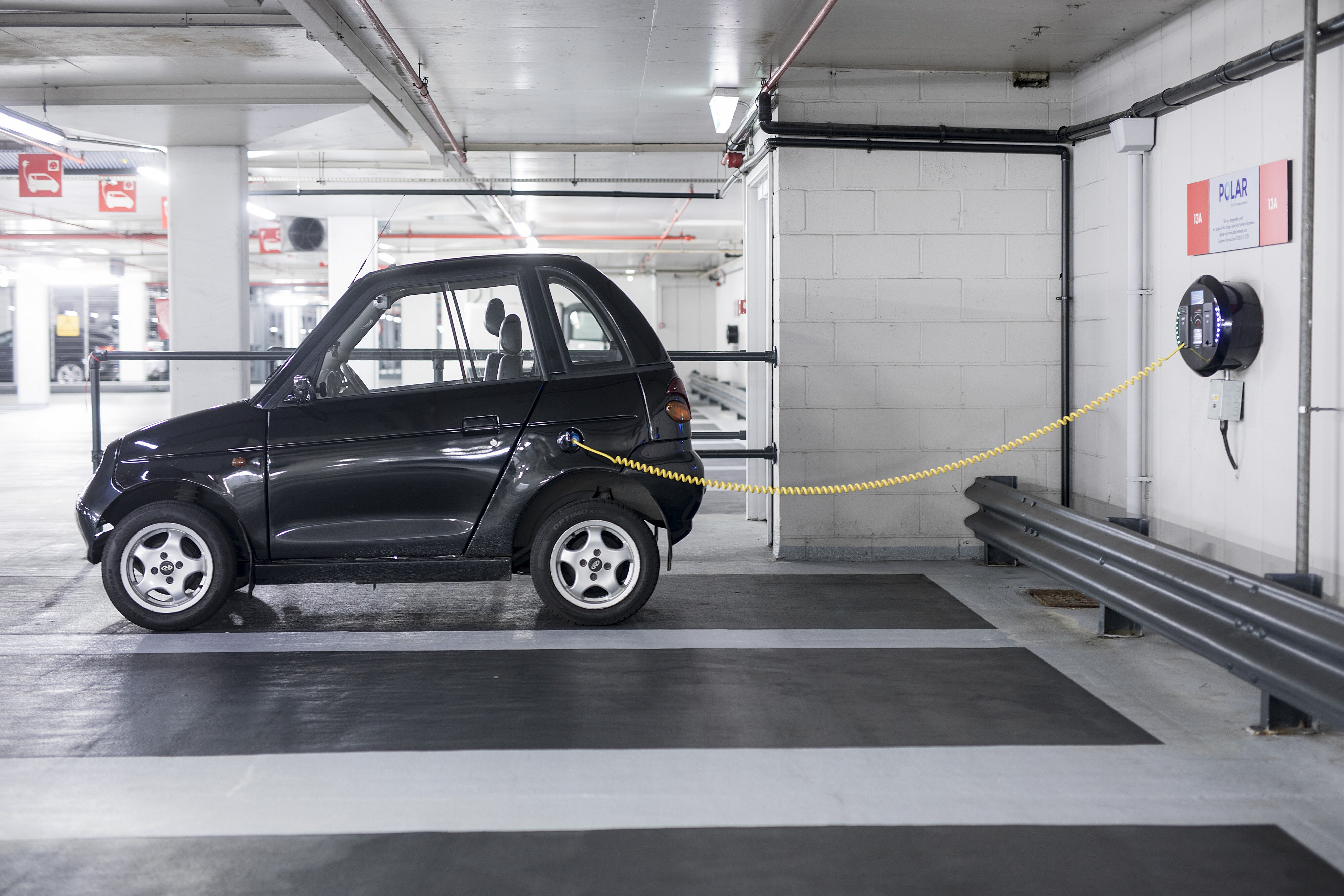
Carmakers anticipating the second round of bids to supply electric cars to the government may be up for disappointment. The state-run Energy Efficiency Services Ltd. will now focus on public transport, delaying the tender further.
“We are not going to issue the second tender for electric vehicles yet,” Saurabh Kumar, managing director at state-run Energy Efficiency Services Ltd. told BloombergQuint in an interview. The state-run firm is now looking to rope in ride-hailing companies.
“We will now have to reassess what to do as we will no longer get the 20 percent incentive on purchase of an EV—it will now only be applicable on shared mobility,” Kumar said. “Now I will have to look at Ola and Uber whether they are interested to work with us.”
The second tender for 10,000 battery-powered sedans was scrapped in July last year as the industry awaited clarity on what type of chargers will be used. The Ministry of Power issued these guidelines in December. The tender, however, may have to wait again after the government's approval for the Rs 10,000-crore second phase of the Faster Adoption and Manufacturing of Electric (and hybrid) Vehicles scheme in February shifted the focus to shared mobility.
Under FAME-II, upfront discounts will be applicable on cars and buses used for public transport or registered for commercial purposes. “FAME-II has given a different colour to the electric vehicles programme as it is incentivising shared mobility for four-wheelers,” Kumar said. “It was not making the distinction earlier.”
Deliveries under EESL's first tender for 10,000 vehicles have already been delayed. The first 500 cars were to be rolled out by November 2017 and the rest 9,500 cars by June 2018. India, however, pushed back the deadline to March 2019, according to Bloomberg. EESL has again pushed the deadline of rollout of electric vehicles to September 2019.
“2,000 electric cars are either on the road or are undergoing registration. The remaining 8,000 will be on the road by September,” Kumar said.
Emailed queries sent to Tata Motors Ltd. and Mahindra & Mahindra Ltd., that won the first orders, remained unanswered.
The government offers a host of benefits to drive adoption of electric vehicles. Besides upfront subsidies under the FAME initiative on battery-powered or hybrid vehicles, India also charges a lower goods and services tax rate of 12 percent on electric vehicles compared with at least 40 percent levy (tax + cess) on fossil fuel-driven vehicles.
In October, the Ministry of Road Transport and Highways granted exemption to battery-operated and ethanol- and methanol-run transport vehicles from permit. The Finance Ministry issued an advisory asking all ministries and departments in Delhi to replace the existing petrol and diesel cars used by their staff by electric cars.
Still, demand hasn't picked up. Very few states have come up, Kumar said, adding that EESL expects an order for 2,000 electric vehicles only from Andhra Pradesh.

-
Getting To Work Costs Women More | The Reason Why

It is not just about women paying more than men. It is about women paying much more in cities than in villages.
-
AI Bias In Investing Cannot Be Eliminated, But It Can Be Governed
Framing is a particularly important example as identical financial information presented in terms of gains rather than losses can lead an LLM to reach a different assessment.
-
Joining The Dots | Dark Skies, Steady Diya: Why Hope Holds This Diwali
With war, a weak rupee and foreign outflows weighing on sentiment, policymakers at the NDTV World Summit and market veterans at NDTV Profit Ignite: Diwali Edition offered the same advice: stay invested and filter out the noise.
-
The Curious Case of Equitas Small Finance Bank And A CEO Who Quit For Stock
PN Vasudevan believes persistent investor concerns over a perceived conflict of interest had become a governance overhang on Equitas Small Finance Bank's stock, even as the lender improved profitability and asset quality.
-
Talking Points This Week: AI Cash Burn, A Tiger Comeback And An India That Still Finds Its Own Path
India is not immune to higher oil or tighter global liquidity, yet its earnings base is broader, its domestic policy levers are still available.
-
Foreign Investors Own Half Of HDFC Bank and ICICI Bank. An LTCG Cut Could Matter Most Here
Foreign portfolio investors have US$115 billion parked in HDFC Bank, ICICI Bank. If the government cuts long-term capital gains tax, Jefferies says returning foreign money could land here first.
-
'Never Seen This Level Of Negativity': Sandeep Tandon Says The Next Rally May Be Closer Than You Think
Veteran investor Sandeep Tandon says foreign selling is easing, large-caps are due a comeback and mid-caps are crowded, while he turns positive on gold, power and pharma this Diwali.
-
Indians Stay With Family, Not In Hotels | The Reason Why
India still lacks enough clean, reliable and affordable hotels for budget-conscious travellers.
-
The Economic Imperative: Analysing The Material Driving Force Behind India-Canada Strategic Reset
This economic complementarity is further reinforced by deep institutional investment ties and talent mobility, which form the bedrock of the bilateral framework.
-
Medicine Pricing: Where Must Profit Stop?
India must confront excessive margins, hidden incentives and regulatory gaps that threaten the integrity of medicine.










