India’s Bus Sales Set To Fall First Time In Three Years As Cities Are Not Buying More
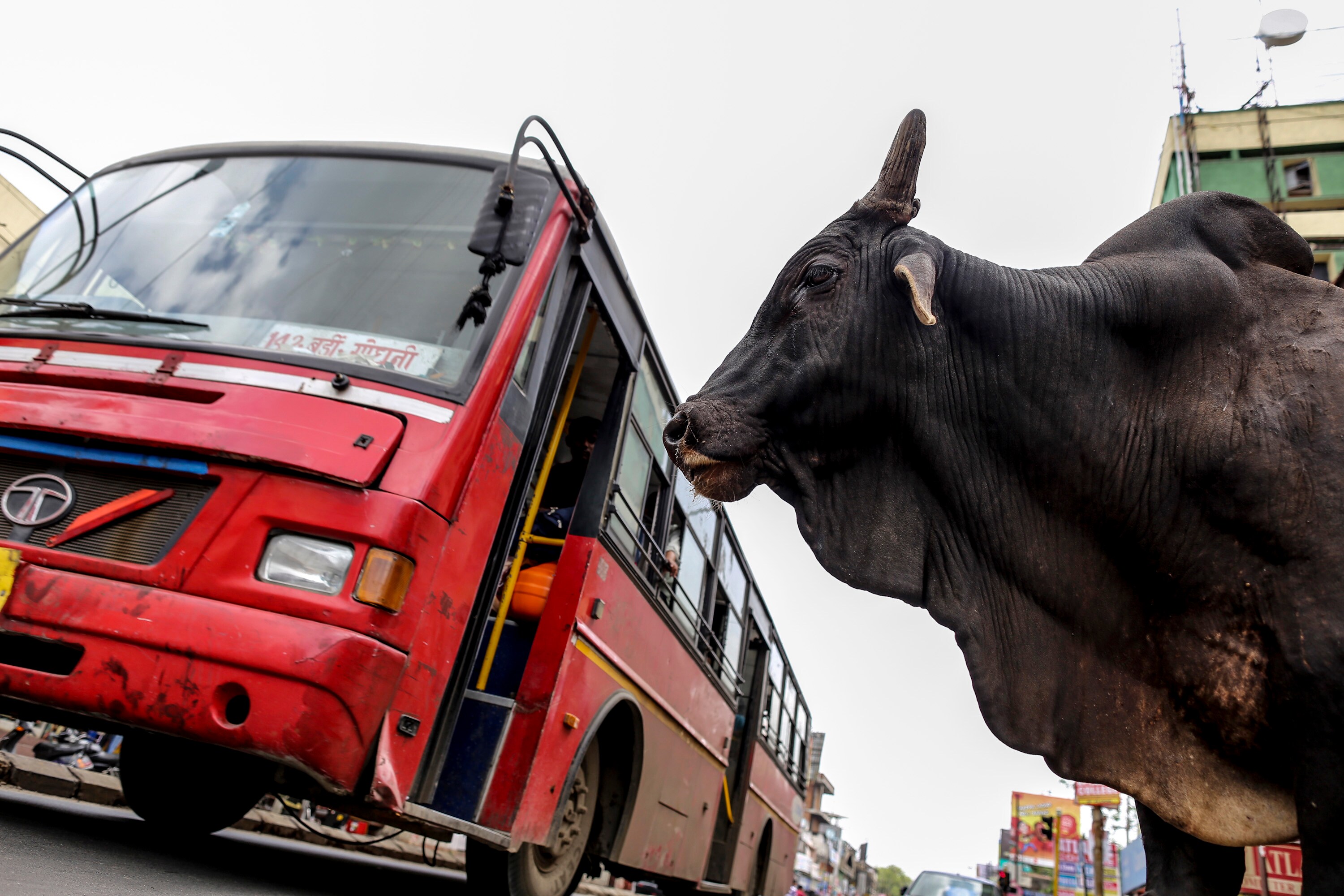
Bus sales are on track to decline first time in three years in India as cities are not increasing fleet size despite inadequate public transport.
That's because the government scrapped separate funding to buy new buses and merged it with its flagship Smart Cities Mission. Sales of passenger carriers contracted 25.7 percent on a yearly basis to 27,431 units in the first 10 months of the year ending March.

Sales have not been picking up owing to the shortage of orders from state transport authorities within and outside the Smart Cities Mission, said Sugato Sen, deputy director general at lobby group Society of Indian Automobile Manufacturers. Typically, bulk of the orders come from local public transport authorities.
Barring the metropolises, India lacks suburban rail and metro networks. A majority of cities and towns rely on bus transport. The nation has 1.4 buses per 1,000 people, according to the Ministry of Road Transport and Highway report for 2015-16 that cited data from the IRF World Statistics. That's fewer than developing peers like China (1.8), Brazil (4.5) and South Africa (6.5) and also developed nations like U.K. (2.5), U.S. (2.7) and Australia (4).
There were about 1.5 million registered buses in India as of March 2015, according to the government's road transport data. That compares with over 150 million scooters and motorbikes, and 26 million cars. About 17 million new two-wheelers and three million cars are sold every year, adding to traffic snarls and delays.
Prime Minister Narendra Modi's administration is spending to build new roads, ports and metros rail networks to ease urban infrastructure. But it scrapped the earlier Jawaharlal Nehru National Urban Renewal Mission that allocated separate funds to cities to increase bus fleets. The Atal Mission for Rejuvenation and Urban Transformation and Smart Cities Mission that replaced the plan set aside no separate corpus for buses.
Overall allocation increased but it was “up to the city administration to decide where to spend”, said Kavan Mukhtyar, partner and leader, automotive at PwC. “More long-term solutions began to take precedence such as improving road quality and cleaning the cities.”
Emailed queries to the Urban Development Ministry remained unanswered. Tata Motors Ltd. and Ashok Leyland Ltd., India's two largest bus makers, were yet to respond to emails. Brihanmumbai Electric Supply and Transport Undertaking and Delhi Transport Corporation, among the largest buyers of buses, didn't respond either.
The state transport authorities are also trying out a new business model based on inducting buses on a time-bound contract, Mukhtyar said. The contours weren't ready yet, added to the decline in fresh orders.
SIAM, however, ruled out the replacement cycle as the reason for the slump in orders.
(Corrects an earlier version that misstated sales are likely to fall first time in four years)

-
Getting To Work Costs Women More | The Reason Why

It is not just about women paying more than men. It is about women paying much more in cities than in villages.
-
AI Bias In Investing Cannot Be Eliminated, But It Can Be Governed
Framing is a particularly important example as identical financial information presented in terms of gains rather than losses can lead an LLM to reach a different assessment.
-
Joining The Dots | Dark Skies, Steady Diya: Why Hope Holds This Diwali
With war, a weak rupee and foreign outflows weighing on sentiment, policymakers at the NDTV World Summit and market veterans at NDTV Profit Ignite: Diwali Edition offered the same advice: stay invested and filter out the noise.
-
The Curious Case of Equitas Small Finance Bank And A CEO Who Quit For Stock
PN Vasudevan believes persistent investor concerns over a perceived conflict of interest had become a governance overhang on Equitas Small Finance Bank's stock, even as the lender improved profitability and asset quality.
-
Talking Points This Week: AI Cash Burn, A Tiger Comeback And An India That Still Finds Its Own Path
India is not immune to higher oil or tighter global liquidity, yet its earnings base is broader, its domestic policy levers are still available.
-
Foreign Investors Own Half Of HDFC Bank and ICICI Bank. An LTCG Cut Could Matter Most Here
Foreign portfolio investors have US$115 billion parked in HDFC Bank, ICICI Bank. If the government cuts long-term capital gains tax, Jefferies says returning foreign money could land here first.
-
'Never Seen This Level Of Negativity': Sandeep Tandon Says The Next Rally May Be Closer Than You Think
Veteran investor Sandeep Tandon says foreign selling is easing, large-caps are due a comeback and mid-caps are crowded, while he turns positive on gold, power and pharma this Diwali.
-
Indians Stay With Family, Not In Hotels | The Reason Why
India still lacks enough clean, reliable and affordable hotels for budget-conscious travellers.
-
The Economic Imperative: Analysing The Material Driving Force Behind India-Canada Strategic Reset
This economic complementarity is further reinforced by deep institutional investment ties and talent mobility, which form the bedrock of the bilateral framework.
-
Medicine Pricing: Where Must Profit Stop?
India must confront excessive margins, hidden incentives and regulatory gaps that threaten the integrity of medicine.










