India’s BQ: Multiplying Business Dimensions With The Fourth Industrial Revolution
This is a series of articles by leaders on how India can raise its Business Quotient.
I was born in the India of the early 1970s and learned my first lessons in an era of five-paisa postcards, operator-assisted phone calls and black and white television. I started my work-life with fax machines, computing access to a privileged few and video cassette recorders being a luxury entertainment option. Today, India has among the highest number of internet users, mobile connections, TV channels, and young professionals in the world.
We are a nation in a constant state of reinvention, from being a technology greenfield to innovating as a mobile-first nation with a vibrant startup ecosystem. We also face some of the biggest challenges for humanity, of clean air and water, skilling and jobs, poverty and income disparities, and unprecedented urbanisation.
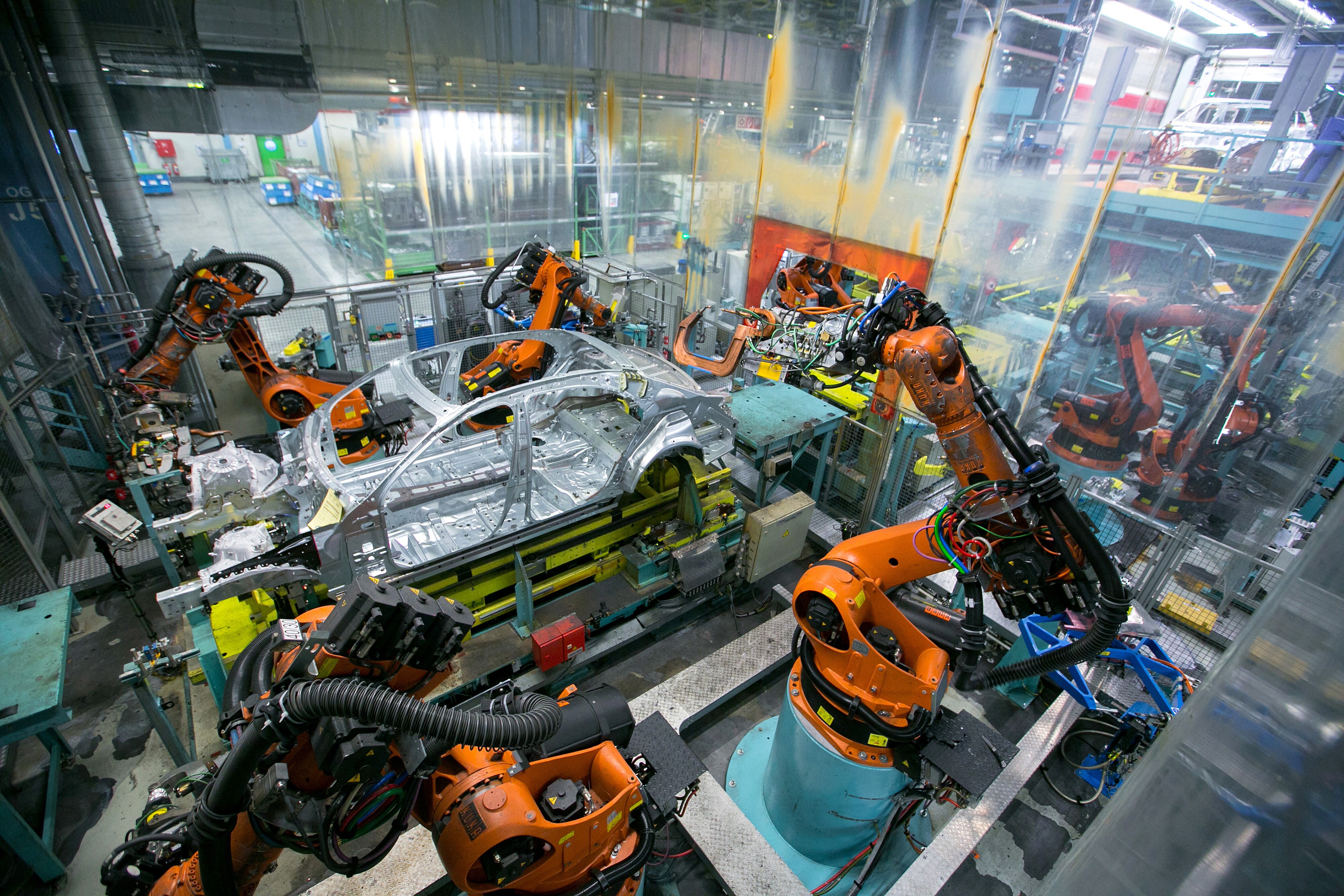
Amidst all of this, along with the rest of the world, we are entering an era where the physical and digital worlds are blending, popularly referred to as the fourth industrial revolution.

Every week, I meet CEOs across industries including the financial sector, manufacturing, retail, and healthcare, who are transforming their businesses with digital technologies. Understandably, according to the World Economic Forum, Fortune 500 companies who have embraced digital transformation are generating 8 percent more operating income globally.
Technology leaders like Microsoft and our industry peers are helping these organisations create and unlock new profit pools with technology. We are also developing technology products for India that solve unique challenges. A few weeks ago, Microsoft launched Kaizala, a made for India product that brings together the two disparate worlds of mobile-only users and a digitally integrated modern workplace to foster collaboration and growth. Kaizala is an example of Indian creativity and ingenuity in addressing a scenario that was unique to India: productivity and collaboration for half a billion mobile-first and mostly mobile-only workforce.
Every week, I also meet policy-makers who are leading with digital governance to solve the biggest challenges for the country. Microsoft engineering and research teams collaborate with them to deploy predictive modelling to help farmers get better yield and educators to identify potential school dropouts, leverage machine learning; artificial intelligence to improve healthcare delivery, merge skilling and job platforms to aid employment; and work to tackle water scarcity in cities through a network of internet of things sensors and cloud computing.

In all these situations – that are very Indian but can solve similar problems in many other parts of the world – creativity and ingenuity are at work enabled by cutting-edge digital transformation.
Enabled by the intelligent cloud and the intelligent edge, digital transformation is empowering individuals and organisations to achieve more and giving policymakers the chance to intervene when and where our country most needs it. We truly live in an amazing time; all around us technology is quickly changing how we live, work and play. 70 years since our tryst with destiny, we are leading with some of the world's largest, most exciting, digital breakthroughs like Aadhaar. Riding this wave, the well-known entrepreneurial spirit of the country gives me optimism that as I will recap my professional journey a decade later, the business quotient dimensions are likely to be multiplied and transformed. With our unique ingredients, challenges, Digital India led governance, and an open economy with competition and collaboration among home-grown start-ups and global leaders, we truly have the opportunity to shape the fourth industrial revolution.
Anant Maheshwari is President at Microsoft Corporation India.
The views expressed here are those of the author's and do not necessarily represent the views of BloombergQuint or its editorial team.

-
Getting To Work Costs Women More | The Reason Why

It is not just about women paying more than men. It is about women paying much more in cities than in villages.
-
AI Bias In Investing Cannot Be Eliminated, But It Can Be Governed
Framing is a particularly important example as identical financial information presented in terms of gains rather than losses can lead an LLM to reach a different assessment.
-
Joining The Dots | Dark Skies, Steady Diya: Why Hope Holds This Diwali
With war, a weak rupee and foreign outflows weighing on sentiment, policymakers at the NDTV World Summit and market veterans at NDTV Profit Ignite: Diwali Edition offered the same advice: stay invested and filter out the noise.
-
The Curious Case of Equitas Small Finance Bank And A CEO Who Quit For Stock
PN Vasudevan believes persistent investor concerns over a perceived conflict of interest had become a governance overhang on Equitas Small Finance Bank's stock, even as the lender improved profitability and asset quality.
-
Talking Points This Week: AI Cash Burn, A Tiger Comeback And An India That Still Finds Its Own Path
India is not immune to higher oil or tighter global liquidity, yet its earnings base is broader, its domestic policy levers are still available.
-
Foreign Investors Own Half Of HDFC Bank and ICICI Bank. An LTCG Cut Could Matter Most Here
Foreign portfolio investors have US$115 billion parked in HDFC Bank, ICICI Bank. If the government cuts long-term capital gains tax, Jefferies says returning foreign money could land here first.
-
'Never Seen This Level Of Negativity': Sandeep Tandon Says The Next Rally May Be Closer Than You Think
Veteran investor Sandeep Tandon says foreign selling is easing, large-caps are due a comeback and mid-caps are crowded, while he turns positive on gold, power and pharma this Diwali.
-
Indians Stay With Family, Not In Hotels | The Reason Why
India still lacks enough clean, reliable and affordable hotels for budget-conscious travellers.
-
The Economic Imperative: Analysing The Material Driving Force Behind India-Canada Strategic Reset
This economic complementarity is further reinforced by deep institutional investment ties and talent mobility, which form the bedrock of the bilateral framework.
-
Medicine Pricing: Where Must Profit Stop?
India must confront excessive margins, hidden incentives and regulatory gaps that threaten the integrity of medicine.










