India’s Bond Markets Remain In Desperate Need Of A Circuit Breaker

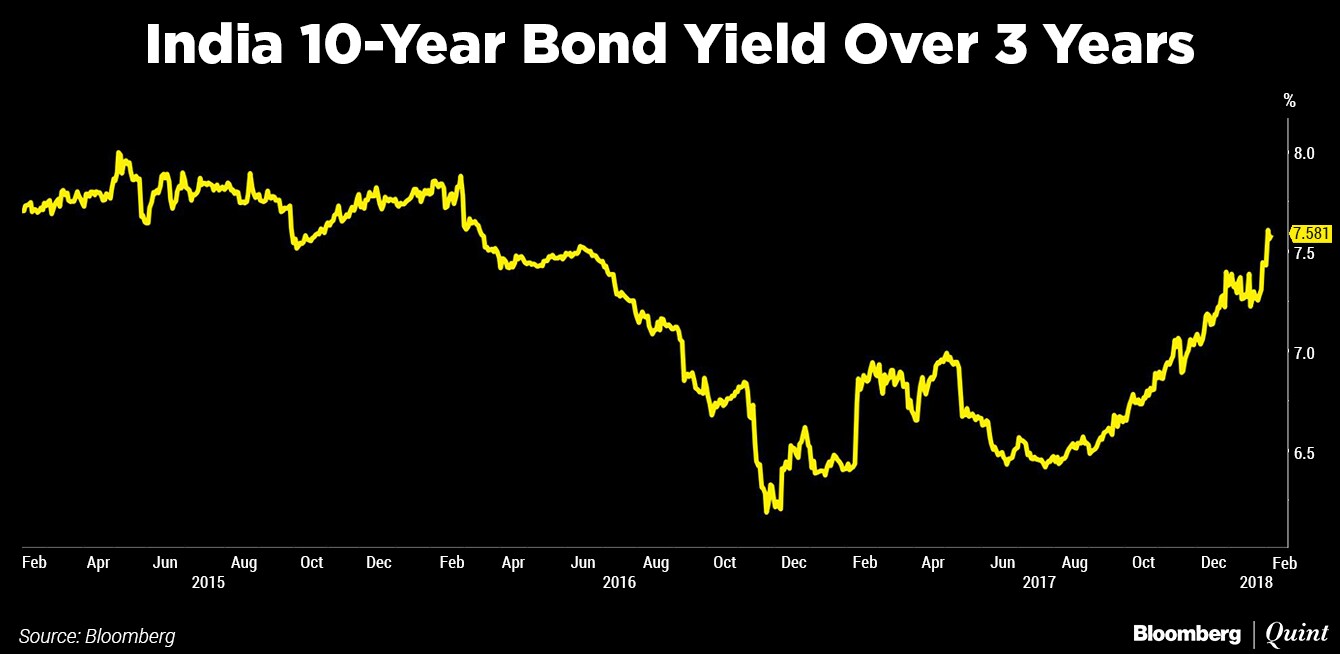
Nothing is going right for India bonds; inter-bank liquidity, the fiscal environment, inflation, the rebound in global growth and oil prices, are all the source of headwinds to a varying degree. The sole alleviating factor is that, on a number of metrics, valuations are now cheap. But valuations alone will not stabilise the market; a circuit breaker is needed. So, what will trigger a change? We discuss the drivers behind recent sell-off and see which driver is more likely to change.
Also Read: Indian Rupee, Bonds Extend Decline As Traders Await RBI Policy
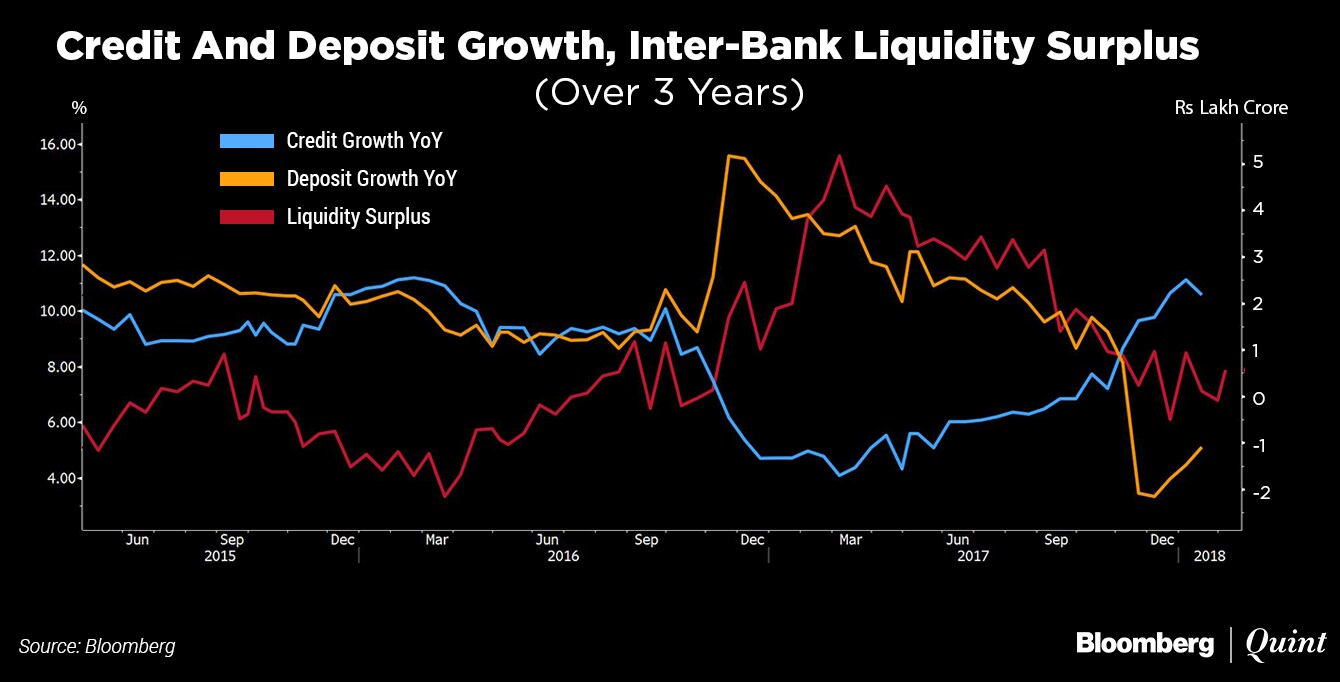
First, liquidity. The liquidity that came gushing into the banking system post demonetisation has disappeared. Cash shortage was transitory, and so should have been its impact on a range of macro variables including gross domestic product, the Consumer Price Index and credit growth, which indeed are now normalising.
However, the illusion persuaded many to view the change as structural and bond markets to take a sanguine view and discount it as if it were here forever.
A year later, currency in circulation is back to where it was pre-demonetisation (up 82 percent year-on-year), bank deposit growth has declined to 5.1 percent (from 13.3 percent a year ago), while credit growth accelerated to 10.6 percent (from 4.7 percent a year ago). Markets just cannot seem to get over with the withdrawal symptoms. But the return of liquidity ain't gonna happen on its own, and neither can the central bank be relied upon to supply it, especially when growth and CPI are expected to only pick up from here.
Also Read: Traders Wary Of Modi's Budget Math As India Bond Losses Persist
Second, the fiscal environment. While Budget 2018 was broadly balanced and in line with expectations, it did not bring positive surprises for the bond market. On paper, a balanced pre-election budget offered something for everyone i.e. fiscal consolidation absent populism. But the path to achieving that consolidation is narrow. A great deal depends on the success of the Goods and Services Tax, the efficient collection of disinvestment revenue, and rural spending.
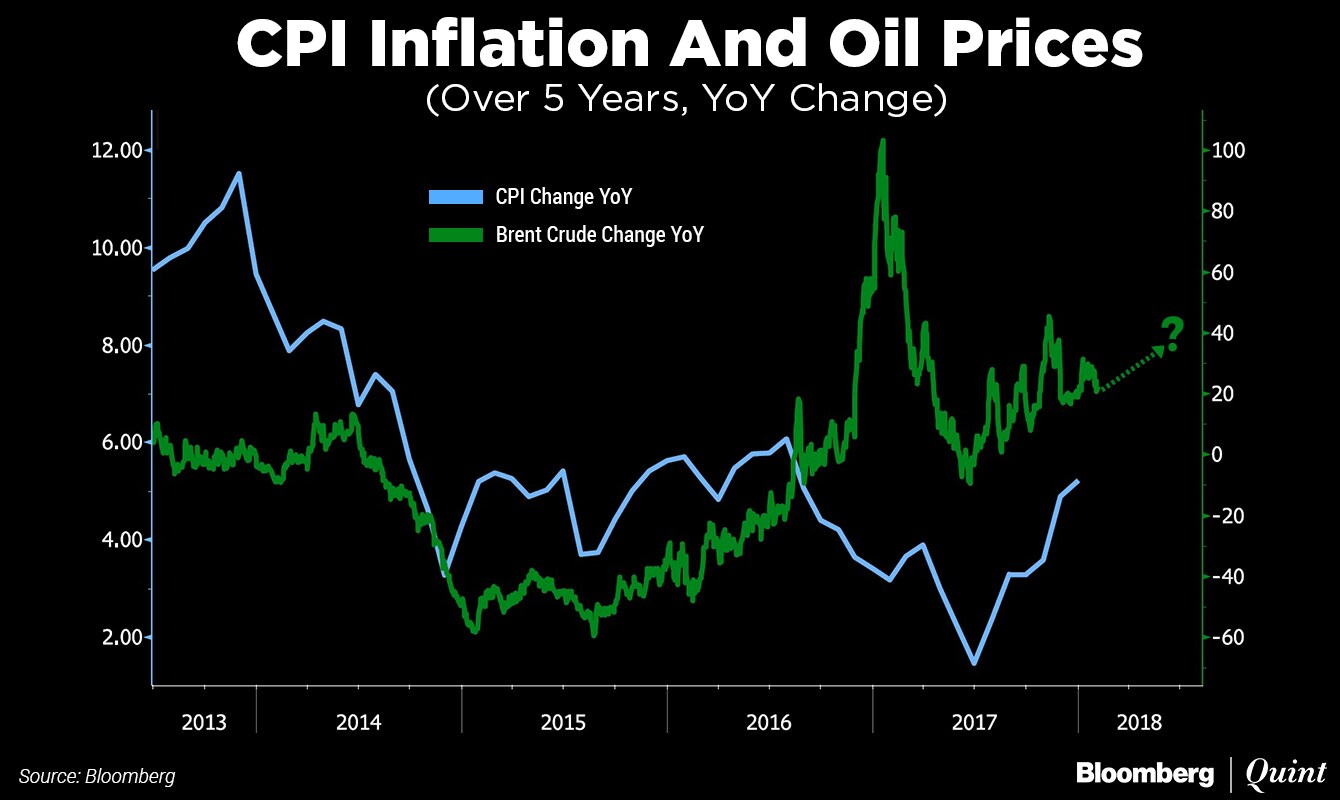
Higher oil prices, helped by a strengthening global economy, are unlikely to come to the rescue in the near-term.
Third, inflation. With the fiscal drama now largely over, inflation will be a key driver of the next leg of the sell-off. If oil prices stabilise here, they will be up around 40 percent year-on-year by June — a non-negligible increase. UBS estimates that every 10 percent increase in oil prices, boosts inflation by 25 basis points. And, it is not only oil. The FY19 budget commitment to keep minimum support prices for crops at 1.5 times their cost of production could mean another 15-20 basis points increase in CPI inflation. Lastly, the ongoing rebound in cyclical indicators (the Purchasing Managers Index, industrial production, and credit growth) mean the demand side pressure on inflation is only likely to increase. CPI inflation, which has already crossed the Reserve Bank of India's 4.3-4.7 percent estimated range for the period from October 2017 until March 2018, can temporarily go above the RBI's 2-6 percent CPI target range.
Also Read: How Spiking Bond Yields Really Could Topple A Stock Market Rally
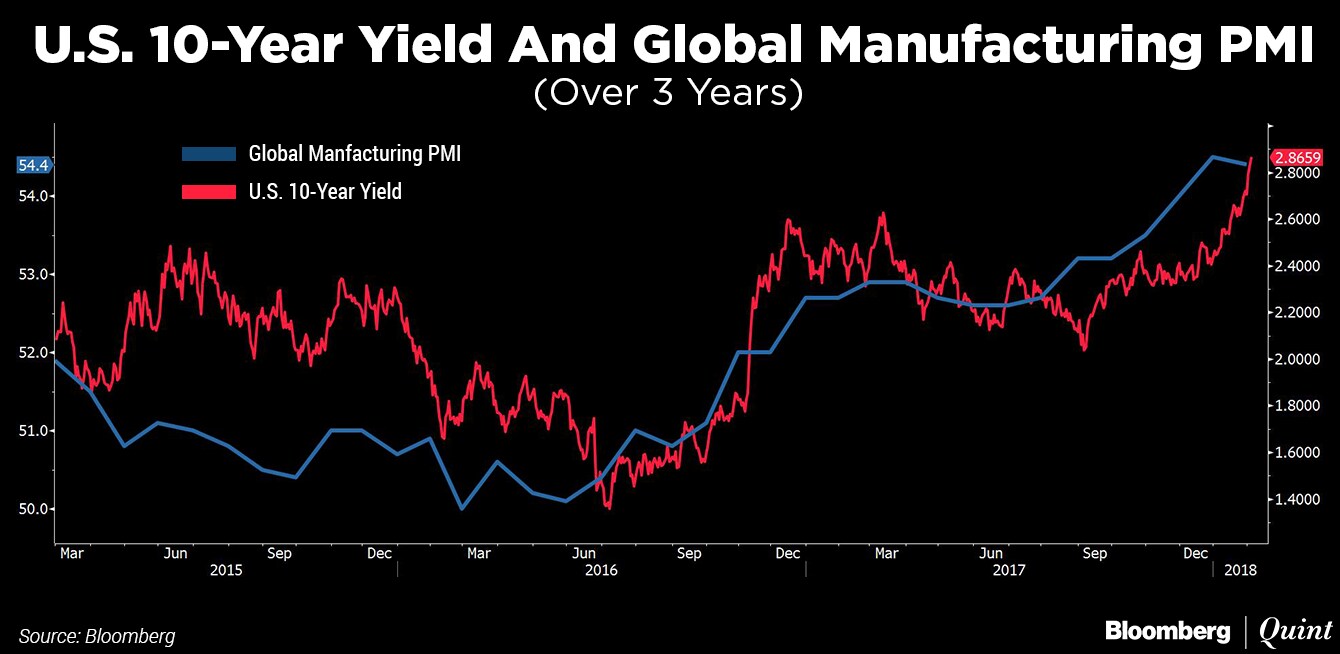
Fourth, global growth. At the same time, a rebound in external growth may not be helpful either. Survey data, in the form of Global Manufacturing PMI, suggests that global economic growth is on the cusp of its fastest acceleration since 2011. The three-month change in the PMI is at the top tenth percentile of past seven years. Ten-year U.S. bond yields, which are only reflecting the good news, also mean that normalising G3 (U.S., European Union, Japan) yields could add further upside pressure to investment-grade bond yields.
What breaks the circuit? Perhaps a strong signal that domestic activity and hence core CPI are not going to accelerate further; a sizeable increase in foreign investment limits for debt markets; or an affirmation by the Monetary Policy Committee that it does not plan to hike on temporary inflationary pressures from oil or housing allowances. None of the three options appears likely in the near-term.
The MPC meets on February 7, and turning dovish is not a viable option. In fact, a dovish stance, even if it helps bonds in the near-term, could significantly damage the Rupee (possibly more than the damage from oil). The last thing markets need now is the central bank risking its inflation-targeting credibility, especially when inflation is going north. This could potentially risk simultaneous debt and equity outflows at a time when a shrinking basic balance (current account balance + net foreign direct investment) needs them the most. Yet fundamentals are in relatively good shape and its nowhere near levels of 2012-2013, so these are manageable risks. A far bigger risk is the 2019 elections, the risk premium of which has yet to be factored in.
Rohit Arora is an emerging markets strategist at UBS. (Disclosure)
The views expressed here are those of the author's and do not necessarily represent the views of BloombergQuint or its editorial team.

-
Why Swapping Your Old Gold Can Trigger A Rs 5 Lakh Tax Bill, And How You Can Avoid It Legally

Swapping old gold for new is taxed as a sale and a fresh purchase. Getting your own gold remade can cut most of that bill, though it has its own costs.
-
The AI Trade is Done. The Real Opportunity for Investors Starts in 2027 | Unhedged Position
As pureplay AI stocks plunge and circular, capex-led financing unwinds, 2027 is set to be a year of reckoning for AI companies. Yet the bust clears the way for a better opportunity for investors in 2027 -- shifting the spotlight from AI builders to the companies using AI.
-
Leadership As Mission: Why The Age Of AI Demands More Human Leadership
Debjani Ghosh examines how AI is changing leadership, arguing that its success must be measured by its impact on people and the accountability of those guiding its use.
-
We May Need Another Tukaram Mundhe To Fight Air Pollution | The Reason Why
Developers may install basic measures such as sprinklers and green nets, resume work, and continue violating rules when this equipment stops working.
-
Extracting Value From Battery Scrap Could Be Challenging For India | The Reason Why
A discarded lithium-ion battery still contains valuable materials such as lithium, nickel and cobalt. These can be recovered and reused. When such batteries are crushed and shredded, they produce a dark powder called black mass.
-
One El Nino, India Can Handle. Two Could Break The Granary
India's grain stocks can absorb one bad year, but a second El Nino could drain the buffer in two to three years, economists say.
-
India's Troika Of Good Luck | Joining The Dots
As Jensen Huang's exit drags Nvidia down, a cooling AI trade and resilient earnings have revived investor interest in India. A likely RBI rate hike looms.
-
Talking Points This Week: Leadership Shock At Nvidia, Earnings Strength, And The Fog Over Hormuz
The Anthropic IPO pricing and first trading day, Nvidia's upcoming earnings, and any fresh signals from Iran will set the tone for the following week.
-
Signature Play: The Classic Cocktail Is Dead. Or Is It?
Classic cocktails are disappearing from India's cocktail menus. But they're still being ordered, taught to bartenders and borrowed from. So, who's really having the last drink?
-
A New Samvat Wishlist: Inclusive Prosperity And Human Development
India has strengthened its economic foundations through infrastructure, digital access and enterprise. Its next growth chapter must deepen productivity, create better livelihoods and widen participation in prosperity.









