India’s Big Ask From Starlink: Entry Costs, Legal Guardrails, Security Clauses — Profit Exclusive
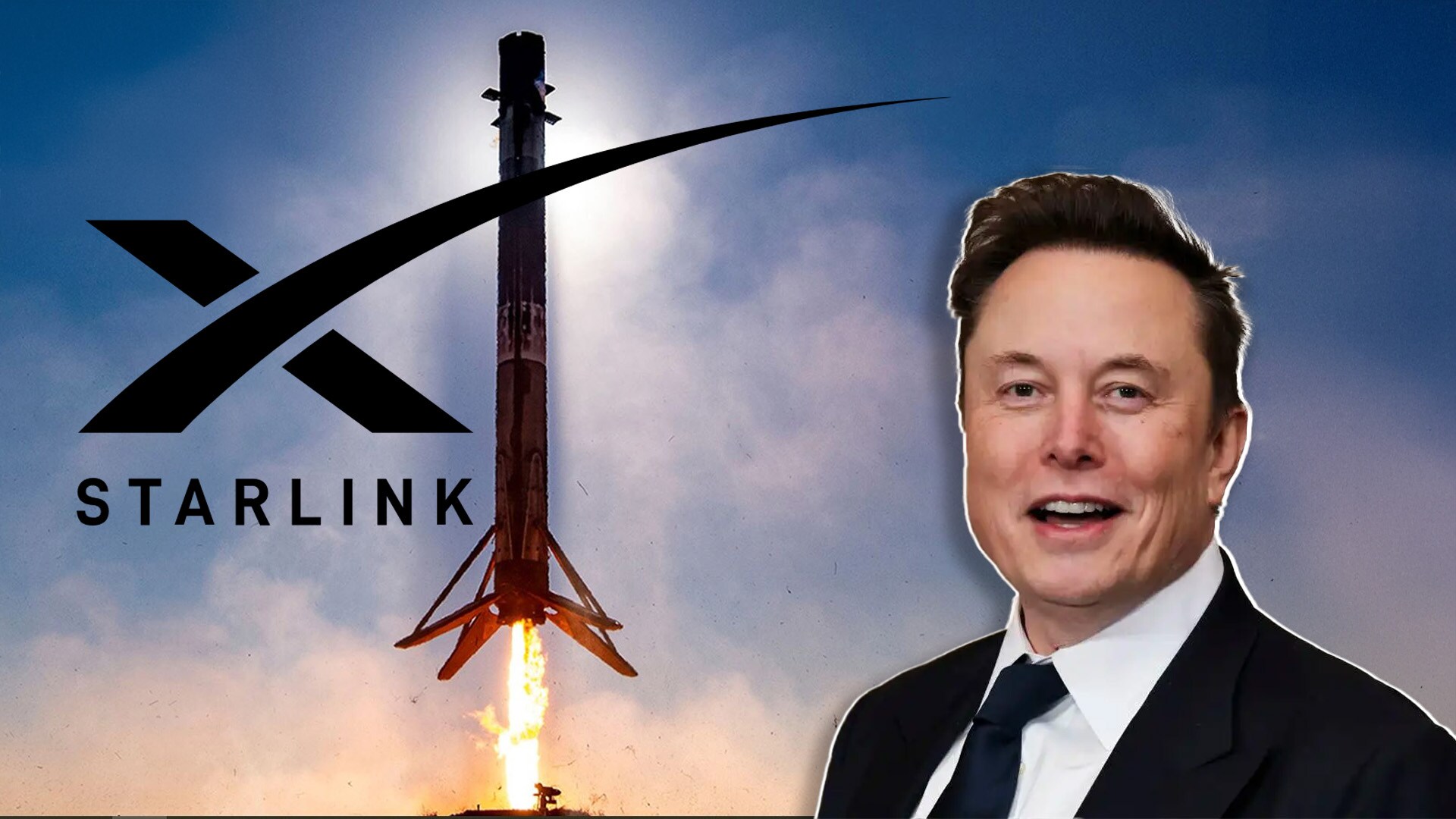
The Indian government is opening the gates to the satellite communication (satcom) sector — but with some strict conditions.
The Letter of Intent issued to Starlink Satellite Communications Pvt. Ltd. outlines a comprehensive set of obligations designed to ensure “control, accountability, and a loophole-free entry” into India's telecom ecosystem, according to documents reviewed by NDTV Profit and people familiar with the matter.
Sources and a copy of the LoI reviewed by NDTV Profit said that Starlink's Indian arm is required to pay a non-refundable entry fee of Rs 1.60 crore. This covers the company's authorisations under the Unified Licence for GMPCS, VSAT, and ISP-A services, allowing it to provide their services pan India.
In addition to the entry fee, Starlink is required to submit performance and financial bank guarantees totalling over Rs 1.20 crore. These guarantees are meant to ensure Starlink meets its rollout and service obligations. If the company fails to comply, the government has the right to invoke the guarantees and recover the amount directly from the bank.
Beyond financial conditions, the LoI includes several key legal clauses focused on accountability and national security. Starlink is required to clear all dues, not just for itself, but for any affiliate, sister concern, or associated company that may have been connected to operators whose licences were cancelled under the Supreme Court's 2012 2G spectrum verdict.
“The document acts as a full-spectrum legal shield. Even if there's no direct link today, the government has left room to act if something surfaces later,” a senior official told NDTV Profit.
The LoI also states that the licence can be revoked at any point if earlier disclosures are found to be false or misleading — even after all compliances are met.
Although Starlink is yet to receive the final unified licence, sources suggest the Department of Telecommunications is likely to issue it by mid-June, provided all conditions are fulfilled. Starlink must accept the LoI's terms within 21 working days or risk the offer lapsing.
As final-stage discussions continue, Starlink's Global Licensing Head, Parnil Urdhwareshe, is in India meeting top officials at the DoT in Delhi.
Post-approval, Starlink plans to roll out its first phase of infrastructure within six to seven months, which includes setting up over 27 ground gateways across three strategic locations in India.

-
The Economic Imperative: Analysing The Material Driving Force Behind India-Canada Strategic Reset

This economic complementarity is further reinforced by deep institutional investment ties and talent mobility, which form the bedrock of the bilateral framework.
-
Medicine Pricing: Where Must Profit Stop?
India must confront excessive margins, hidden incentives and regulatory gaps that threaten the integrity of medicine.
-
Why Amazon And Flipkart Are Struggling To Beat Meesho In India's Smaller Cities
With 274 million users and lowest-cost logistics, Meesho is defending its value commerce crown against giants like Amazon and Flipkart.
-
High US Salaries, No Green Card Certainty: The Financial Calculation Facing Indian H-1B Families
The suspension of PERM processing at eight technology employers does not cancel existing H-1B visas. What it does is force a question many Indian families have been avoiding: is the US salary worth tying your career and family plans to one employer?
-
Swiggy vs Eternal: Food Delivery's Two Rivals Are No Longer In The Same Race
Eternal is building a private AI assistant, dark.ai. Swiggy is still working out how to make Instamart pay, with an operating loss of Rs 895 crore in the July-September quarter while Blinkit stayed profitable.
-
Where You Live Shapes How You Get To Work | The Reason Why
Two-wheelers are the most popular way to get to work in India, accounting for nearly 43% of workplace commutes.
-
Unhedged Position: Can India See An Indonesia-Style Time Correction?
The Nifty is trading below levels it first clocked in 2024. Is there, then, as I have suggested in the headline, potential that the current time correction drags on painfully for the next three-five, even ten years?
-
Navigating Friction And Energy Realities: An Analysis Of Marco Rubio's October Visit To India
Occurring at a critical juncture marked by stalled trade negotiations and escalating geopolitical pressures over global energy supplies, the visit offers a profound window into modern US-India relations.
-
India Exports Capital. Why Not Export Trusteeship?
The big question, then, is whether India can build an institution that global borrowers, investors, banks, and lawyers can trust, even without an Indian connection.
-
France's Economy & Politics Are In Crisis | The Reason Why
Let's look at how the French economy and politics evolved under Nicolas Sarkozy, Franois Hollande and Emmanuel Macron.










