"India's A Big Market": Coming Soon, Tiffany Stores In Delhi, Mumbai
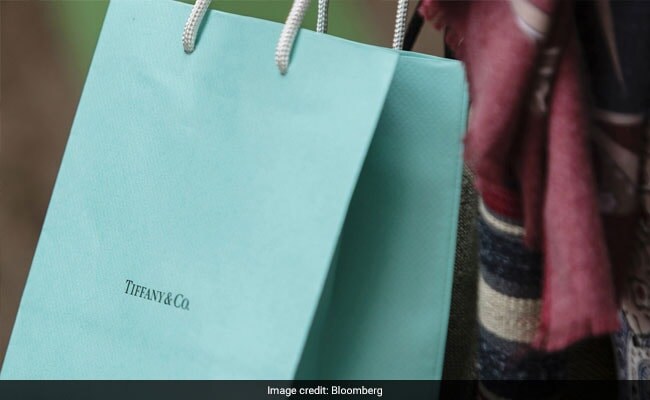
Tiffany & Co. is entering India after years eyeing the market's rising middle class shoppers. The jeweler's top executive says the time is finally right.
"That's a big market, not only for the number of people, but also because it's a very fast-growing middle class that we know is a driver of growth in luxury," Chief Executive Officer Alessandro Bogliolo said in an interview Wednesday. "I think it's the appropriate time now."
India is the world's second-biggest gold jewelry market, and sales of gold and diamond jewelry are expected to grow annually by as much as 7 per cent in the next three to five years, according to the nation's Gem & Jewellery Export Promotion Council. Much of the retail business comes from small local shops that sell traditional ornaments.
Tiffany will start with two stores -- one in New Delhi and another in Mumbai -- that will carry the same assortment of silver and gold bracelets, necklaces and rings available in other markets, along with higher-end items with gemstones. Tiffany's goal is to sell jewelry to members of the emerging middle class that are global travelers familiar with the label's most popular designs and Western style, Mr Bogliolo said.
"India is a market with a huge local tradition for jewelry but our offering is not to compete with local designers, but more to bring the international appeal of the brand," he said.
Local Focus
Around the world, Tiffany has refocused its efforts on increasing sales in local markets, rather than relying on tourist flows that have become erratic over the past several quarters. Weak tourist spending in the US has taken a toll on the company, driven by a strengthening dollar and trade tensions between the US and China. Meanwhile, in Hong Kong, street protests have disrupted stores and hindered sales.
Tiffany's entry into India will be a joint-venture with Reliance Brands, the conglomerate owned by India's richest man Mukesh Ambani. Reliance has forged partnerships with numerous international luxury brands with ambitions in India, including Coach, Michael Kors, Burberry, Bottega Veneta and Hugo Boss. Mr Bogliolo said it's the most important retail operator in the country.
It took so long for Tiffany to come to India because it sells only through its own stores, rather than in local jewelry shops and dealers. It has 325 directly-owned retail locations around the world.
Mr Bogliolo said the retail environment in India has been "quite volatile" over the past decade or so, but in recent years the market has become a clear-enough destination for luxury shopping for Tiffany to spend the cash and take the leap.
"There is a certain critical mass that's needed to open a Tiffany store," he said. "It's quite an important investment in inventory, because of all the diamonds."

-
AI Bias In Investing Cannot Be Eliminated, But It Can Be Governed

Framing is a particularly important example as identical financial information presented in terms of gains rather than losses can lead an LLM to reach a different assessment.
-
Joining The Dots | Dark Skies, Steady Diya: Why Hope Holds This Diwali
With war, a weak rupee and foreign outflows weighing on sentiment, policymakers at the NDTV World Summit and market veterans at NDTV Profit Ignite: Diwali Edition offered the same advice: stay invested and filter out the noise.
-
The Curious Case of Equitas Small Finance Bank And A CEO Who Quit For Stock
PN Vasudevan believes persistent investor concerns over a perceived conflict of interest had become a governance overhang on Equitas Small Finance Bank's stock, even as the lender improved profitability and asset quality.
-
Talking Points This Week: AI Cash Burn, A Tiger Comeback And An India That Still Finds Its Own Path
India is not immune to higher oil or tighter global liquidity, yet its earnings base is broader, its domestic policy levers are still available.
-
Foreign Investors Own Half Of HDFC Bank and ICICI Bank. An LTCG Cut Could Matter Most Here
Foreign portfolio investors have US$115 billion parked in HDFC Bank, ICICI Bank. If the government cuts long-term capital gains tax, Jefferies says returning foreign money could land here first.
-
'Never Seen This Level Of Negativity': Sandeep Tandon Says The Next Rally May Be Closer Than You Think
Veteran investor Sandeep Tandon says foreign selling is easing, large-caps are due a comeback and mid-caps are crowded, while he turns positive on gold, power and pharma this Diwali.
-
Indians Stay With Family, Not In Hotels | The Reason Why
India still lacks enough clean, reliable and affordable hotels for budget-conscious travellers.
-
The Economic Imperative: Analysing The Material Driving Force Behind India-Canada Strategic Reset
This economic complementarity is further reinforced by deep institutional investment ties and talent mobility, which form the bedrock of the bilateral framework.
-
Medicine Pricing: Where Must Profit Stop?
India must confront excessive margins, hidden incentives and regulatory gaps that threaten the integrity of medicine.
-
Why Amazon And Flipkart Are Struggling To Beat Meesho In India's Smaller Cities
With 274 million users and lowest-cost logistics, Meesho is defending its value commerce crown against giants like Amazon and Flipkart.










