Indian Orders For Point Of Sale Machines Rise Five Times At Verifone
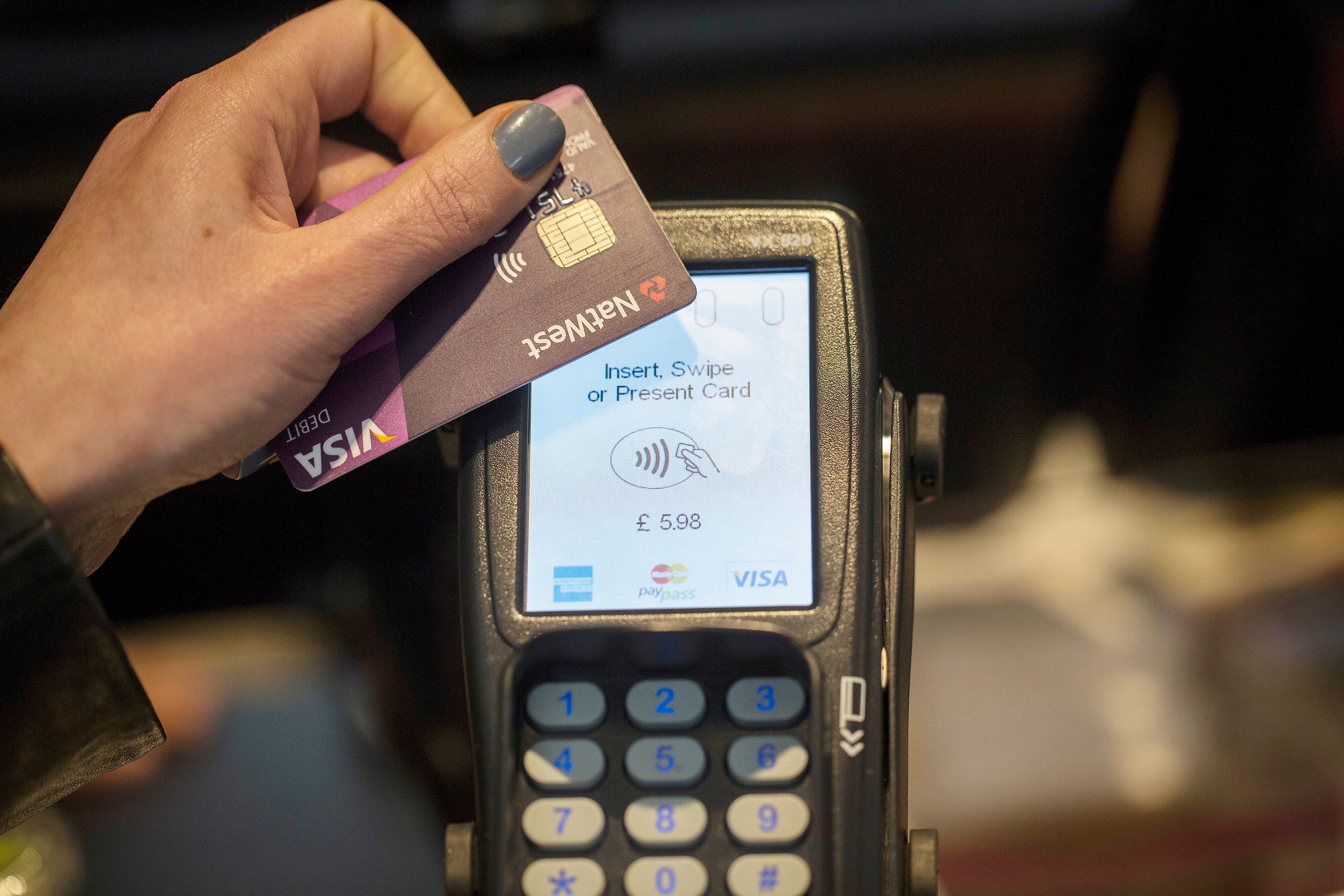
The paucity of cash in the aftermath of demonetisation has led to a surge in demand for digital payments and the infrastructure needed to support these payments. In particular, the need for point of sale machines used for debit and credit card payments has risen exponentially.
U.S. headquartered PoS manufacturer Verifone Systems Inc. is among the key beneficiaries of this surge in demand. The company has seen orders for its card payment machines jump five times in the last one month after demonetisation was announced by the Indian government on November 8, said a spokesperson in response to an email query from BloombergQuint.
As the currency notes of Rs 500 and Rs 1,000 were withdrawn, banks and merchants rushed to try and get hold of card-accepting machines to soften the blow of a cash-crunch in the economy. However, a bulk of such machines are sourced from two global manufacturers - Verifone and Ingenico Group SA.
Verifone confirmed that they have seen a rapid inflow of new orders since November 8. An email query sent to Ingenico last week remained unanswered.
The recent announcement has certainly triggered a high demand for PoS machines in India and accelerated the country's move towards a cashless society. Since the demonetization announcement a month back, Verifone has witnessed a five-fold increase in its devices and is working with its partners and customers to help address this immediate need in India.Vinayak Prasad, Executive Director - South Asia, Verifone
Verifone, along with France-based PoS maker Ingenico, are among the two major companies which provide a bulk of the point-of-sale terminals in India. Last year, a competition commission of India ruling ascertained that Verifone commands a 57 percent market share in the PoS terminal market. The company sold 5.8 lakh payment terminals between 2009-2012 as compared to Ingenico's sales of just 50,000 terminals, Director General of CCI added. The ruling was related to an ongoing matter between Atos Worldline India Pvt. Ltd and Verifone India Sales Pvt Ltd.
Verifone's hold over the bank PoS market is even stronger.
Accordingly, the market share of the Opposite Party No. 1 in terms of sale of PoS Terminals to banks is estimated around 70 percent vis-à-vis 30 percent of Ingenico. Further, it is revealed from the DG report that in terms of size, resources and economic power the Opposite Party No. 1 is in an advantageous position compared to Ingenico, its nearest competitor.Competition Commission Of India Order, 2015
While banks have put in orders from new machines, the delivery and installation may take time. Last week, BloombergQuint reported that most of the PoS machines are manufactured in China and the process of manufacturing and import could take anywhere between three to six weeks.
The government of India asked banks to ensure that an additional 10 lakh terminals are deployed after demonetisation which has led to a scramble among banks to procure PoS machines quickly. The largest public sector bank, State Bank of India, has also placed orders for two lakh terminals but remains unsure of the delivery timelines, according to Rajneesh Kumar, managing director at SBI.
“The banking sector in total has placed orders for six lakh terminals out of which we are ordering two lakh PoS machines after the government's directive... We are unsure of the delivery timelines but vendors are likely to deliver these machines on time,” Kumar told BloombergQuint last week.
Verifone, too, added that it is working to find ways to help the country during this period of transition.
“As a global leader in payments and commerce solutions with a strong commitment to India, Verifone is working to support the urgent demand for PoS machines with its customers and partners in this period of transition,” Prasad said in the email response.

-
Signature Play: The Classic Cocktail Is Dead. Or Is It?

Classic cocktails are disappearing from India's cocktail menus. But they're still being ordered, taught to bartenders and borrowed from. So, who's really having the last drink?
-
A New Samvat Wishlist: Inclusive Prosperity And Human Development
India has strengthened its economic foundations through infrastructure, digital access and enterprise. Its next growth chapter must deepen productivity, create better livelihoods and widen participation in prosperity.
-
Love, Sex Aur Dhokha: The Audacious Plot To Spy On Jensen Huang
A Taipei dinner, a Singapore chip buyer and a suspected Chinese asset: inside the alleged spy operation that got close to NVIDIA's Jensen Huang.
-
Ten Things I Learnt This Samvat
Patience can be a trap. Cheap stocks can stay cheap. Leverage can wipe you out. What did Samvat 2082 teach us? Niraj Shah writes on 10 lessons from the year gone by.
-
Talking Points This Week: Tech Nerves, FII Buying, And A Faraway Banking Shock
The global markets are not shining this Diwali. The exception in the large markets is, India.
-
Midterm Rally Lasted A Day. The Hard Reality Of A Divided US May Last Two Years | Opinion
Between a contested AI boom, a debt ceiling that arrives in 2027 and a president with every incentive to act alone, the next two years may prove more volatile than the first day's rally suggests.
-
Blue Wave Will Derail the AI Trade but Won't Dismantle the AI Era | Unhedged Position
The Democrats' sweep of the US Congress will see politics collide with economic forces both over the long and short term.
-
It's Time To Take The GST Council's Bet On Trust Global
Payment records can prove India's services exports, and clear, proportionate rules can bring foreign digital sellers into the tax net.
-
Opinion | India at 38: From Innovation Overperformer to Innovation Powerhouse
India now has 453 VC-backed deep science startups, 18 of them late-stage, after 117 percent growth since 2020. Laurus Labs, at USD 9.3 billion, is the most valuable deep science company in any middle-income economy outside China.









