Indian Airline Industry Takes Off After Covid Turbulence
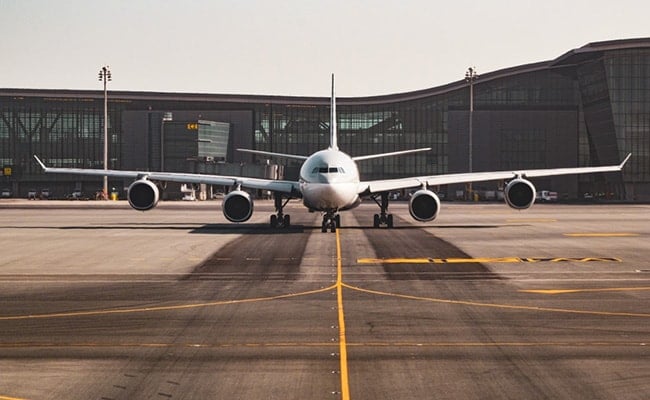
A consistently ascending trajectory of India's aviation sector has paved the way for a competition-driven acceleration amongst the country's airliners.
Akasa Air, the country's latest entry into an established and competitive airline industry, set off its commercial operations with its first flight on the Mumbai-Ahmedabad route.
Backed by the late billionaire investor Rakesh Jhunjhunwala, Akasa has a 72 Boeing aircraft fleet on order and is set to compete directly with other budget carriers like Indigo, Spicejet and Go First.
Akasa launched operations with an aim to connect India's metropolitan cities with smaller towns.
Their strategy was created in line with the government's regional connectivity UDAN scheme, which was designed to make airline travel available to common citizens at affordable prices.
Union Civil Aviation Minister Jyotiraditya Scindia recently said, "In the last five years, we have grown from 2013-14 almost 6 crore passengers to almost 14.5 crore passengers. We forecast by 2027 India will have 40 crore passengers per year. That's the kind of phenomenal growth and if that phenomenal growth has to be made possible it can only be made possible by a number of players coming into the sector".
Currently, there are nine scheduled airlines operating in India, the biggest being Air India, IndiGo, SpiceJet, Air Asia India, Go First and Vistara.
In a major challenge to the existing players, in January this year, the Tata Group secured control of the state-run carrier Air India in a USD 2.4 billion equity and debt deal, ending years of struggle trying to privatise the financially-troubled airline.
Three years after being grounded due to a cash crunch, Jet Airways is also back in business as well. The airline is expected to resume its commercial operations from September.
The Ministry of Civil aviation, which has welcomed such growth and expansion, expects the fresh competition to generate 100,000 new jobs in the next two years.
Travel restrictions during the coronavirus pandemic had severely affected the industry. With the easing of restrictions, India's domestic air travel has made a sharp recovery with airlines flying over 57 million passengers in the first half of this year, up by 238 per cent from last year.
G P Rao, former General Manager of Air India said, "India is seeing a phenomenal revival post COVID restrictions though the industry started very slow but it picked up the momentum and is in a full swing. If you see the Indian aviation market, it is the fourth largest next to the US, China and the UK".
He added, "Now soon, we are expecting that India will overtake the UK. Now, because of the UDAN scheme, airlines started operating more than 600 routes and because of this there are more than 10 million people benefitted".
Observers say the sky is the limit for the aviation sector in India.
The Airports Authority of India, the implementing agency, has awarded 948 routes under the Regional Connectivity Scheme - UDAN, from which 405 routes involving 65 airports have been operationalised as of March this year.
With more routes and airports opening up, the airline industry is set to witness robust growth.
This brings more investment opportunities for the country thereby also enhancing the employment potential as well. This is another rapidly developing story of Brand India.
(This story has not been edited by NDTV staff and is auto-generated from a syndicated feed.)

-
Joining The Dots | Dark Skies, Steady Diya: Why Hope Holds This Diwali

With war, a weak rupee and foreign outflows weighing on sentiment, policymakers at the NDTV World Summit and market veterans at NDTV Profit Ignite: Diwali Edition offered the same advice: stay invested and filter out the noise.
-
The Curious Case of Equitas Small Finance Bank And A CEO Who Quit For Stock
PN Vasudevan believes persistent investor concerns over a perceived conflict of interest had become a governance overhang on Equitas Small Finance Bank's stock, even as the lender improved profitability and asset quality.
-
Talking Points This Week: AI Cash Burn, A Tiger Comeback And An India That Still Finds Its Own Path
India is not immune to higher oil or tighter global liquidity, yet its earnings base is broader, its domestic policy levers are still available.
-
Foreign Investors Own Half Of HDFC Bank and ICICI Bank. An LTCG Cut Could Matter Most Here
Foreign portfolio investors have US$115 billion parked in HDFC Bank, ICICI Bank. If the government cuts long-term capital gains tax, Jefferies says returning foreign money could land here first.
-
'Never Seen This Level Of Negativity': Sandeep Tandon Says The Next Rally May Be Closer Than You Think
Veteran investor Sandeep Tandon says foreign selling is easing, large-caps are due a comeback and mid-caps are crowded, while he turns positive on gold, power and pharma this Diwali.
-
Indians Stay With Family, Not In Hotels | The Reason Why
India still lacks enough clean, reliable and affordable hotels for budget-conscious travellers.
-
The Economic Imperative: Analysing The Material Driving Force Behind India-Canada Strategic Reset
This economic complementarity is further reinforced by deep institutional investment ties and talent mobility, which form the bedrock of the bilateral framework.
-
Medicine Pricing: Where Must Profit Stop?
India must confront excessive margins, hidden incentives and regulatory gaps that threaten the integrity of medicine.
-
Why Amazon And Flipkart Are Struggling To Beat Meesho In India's Smaller Cities
With 274 million users and lowest-cost logistics, Meesho is defending its value commerce crown against giants like Amazon and Flipkart.
-
High US Salaries, No Green Card Certainty: The Financial Calculation Facing Indian H-1B Families
The suspension of PERM processing at eight technology employers does not cancel existing H-1B visas. What it does is force a question many Indian families have been avoiding: is the US salary worth tying your career and family plans to one employer?










