India To Slap Penalties On GE Over Fighter Jet Engines Delay
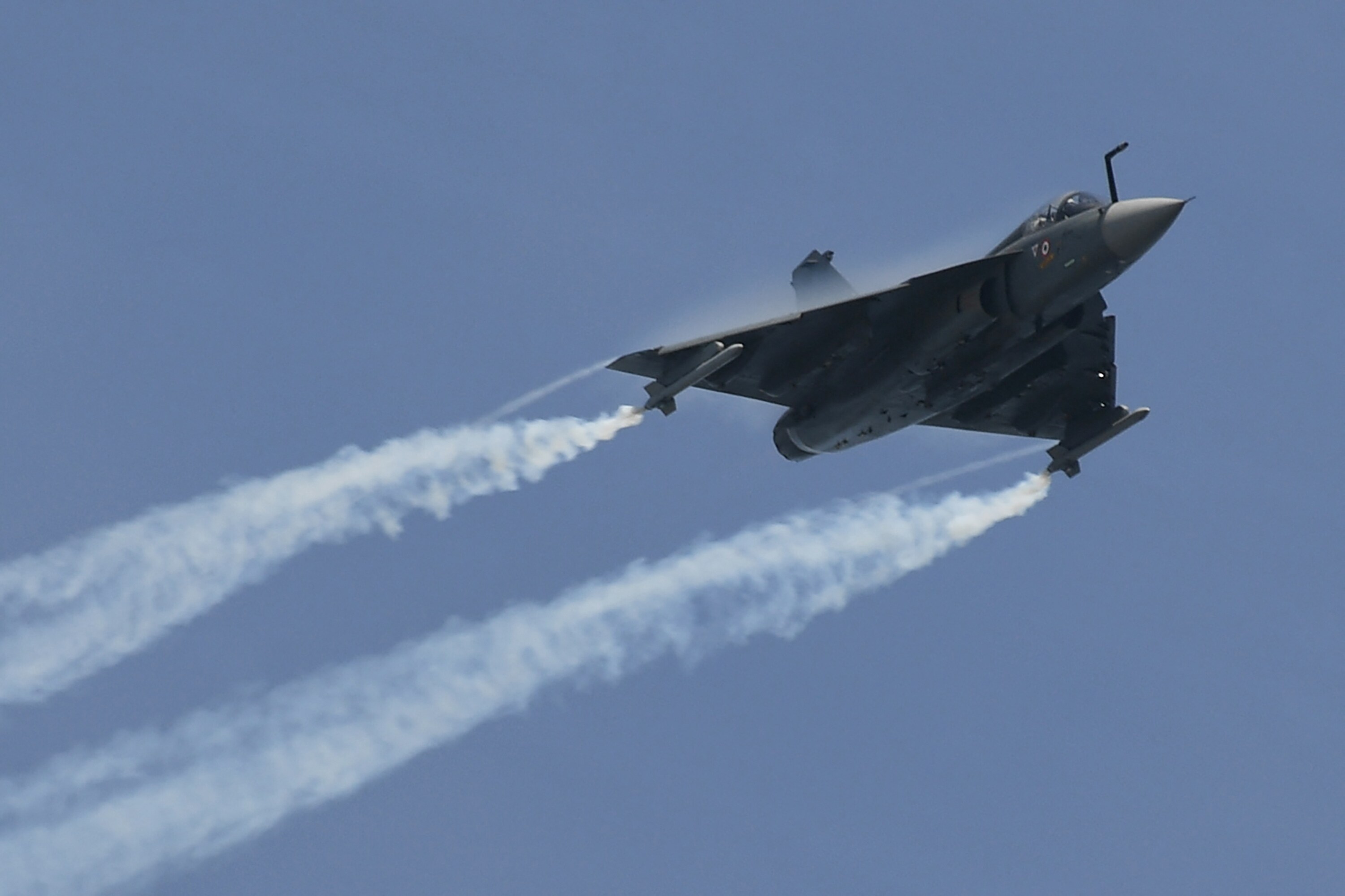
(Bloomberg) --The Indian government will impose penalties on General Electric Co. for severe delays in the delivery of jet engines that power the country's light-combat aircraft, according to an official with knowledge of the matter.
Delivery of the F404 engines for Indian Air Force's locally-made Tejas Light Combat Aircraft Mk1 series was pushed back to March 2025, the official said, asking not to be identified because the information isn't public. The supply of the engines were supposed to start by 2023, according to India's state-owned Hindustan Aeronautics Ltd., which signed a $716 million deal with GE in 2021 for 99 F404 engines.
The delay complicates Prime Minister Narendra Modi's plans to manufacture fighter jets at home at a time when the country's relations with its neighbors China and Pakistan remain tense. It also comes amid attempts by the US and India to build closer military ties. Just last year, GE had signed a memorandum of understanding with Hindustan Aeronautics to produce an advanced version of the jet engines for India's next generation light-combat aircraft.
India's Defense Ministry and Hindustan Aeronautics declined to comment when contacted for further information. GE Aerospace said Tuesday the industry “continues to experience unprecedented supply chain pressures” and the company is working to resolve constraints, according to an emailed response to questions.
GE has been grappling with slowed delivery of its jet engines globally. Larry Culp, chief executive officer of the manufacturer, said this week that 15 different suppliers across its supply chain are involved in the disruptions.
India's fighter jet strength is rapidly dwindling, as the country retires its aging Soviet-era aircraft. Russia remains India's largest supplier of military hardware, though purchases have slowed in recent years due to sanctions and increased competition from other manufacturing countries.
Modi's government is trying to boost domestic production to reduce the country's dependence on foreign manufacturers. India has ordered a total 220 Tejas jets from Hindustan Aeronautics and another 180 fighter jets of the advanced version.

-
Signature Play: The Classic Cocktail Is Dead. Or Is It?

Classic cocktails are disappearing from India's cocktail menus. But they're still being ordered, taught to bartenders and borrowed from. So, who's really having the last drink?
-
A New Samvat Wishlist: Inclusive Prosperity And Human Development
India has strengthened its economic foundations through infrastructure, digital access and enterprise. Its next growth chapter must deepen productivity, create better livelihoods and widen participation in prosperity.
-
Love, Sex Aur Dhokha: The Audacious Plot To Spy On Jensen Huang
A Taipei dinner, a Singapore chip buyer and a suspected Chinese asset: inside the alleged spy operation that got close to NVIDIA's Jensen Huang.
-
Ten Things I Learnt This Samvat
Patience can be a trap. Cheap stocks can stay cheap. Leverage can wipe you out. What did Samvat 2082 teach us? Niraj Shah writes on 10 lessons from the year gone by.
-
Talking Points This Week: Tech Nerves, FII Buying, And A Faraway Banking Shock
The global markets are not shining this Diwali. The exception in the large markets is, India.
-
Midterm Rally Lasted A Day. The Hard Reality Of A Divided US May Last Two Years | Opinion
Between a contested AI boom, a debt ceiling that arrives in 2027 and a president with every incentive to act alone, the next two years may prove more volatile than the first day's rally suggests.
-
Blue Wave Will Derail the AI Trade but Won't Dismantle the AI Era | Unhedged Position
The Democrats' sweep of the US Congress will see politics collide with economic forces both over the long and short term.
-
It's Time To Take The GST Council's Bet On Trust Global
Payment records can prove India's services exports, and clear, proportionate rules can bring foreign digital sellers into the tax net.
-
Opinion | India at 38: From Innovation Overperformer to Innovation Powerhouse
India now has 453 VC-backed deep science startups, 18 of them late-stage, after 117 percent growth since 2020. Laurus Labs, at USD 9.3 billion, is the most valuable deep science company in any middle-income economy outside China.









