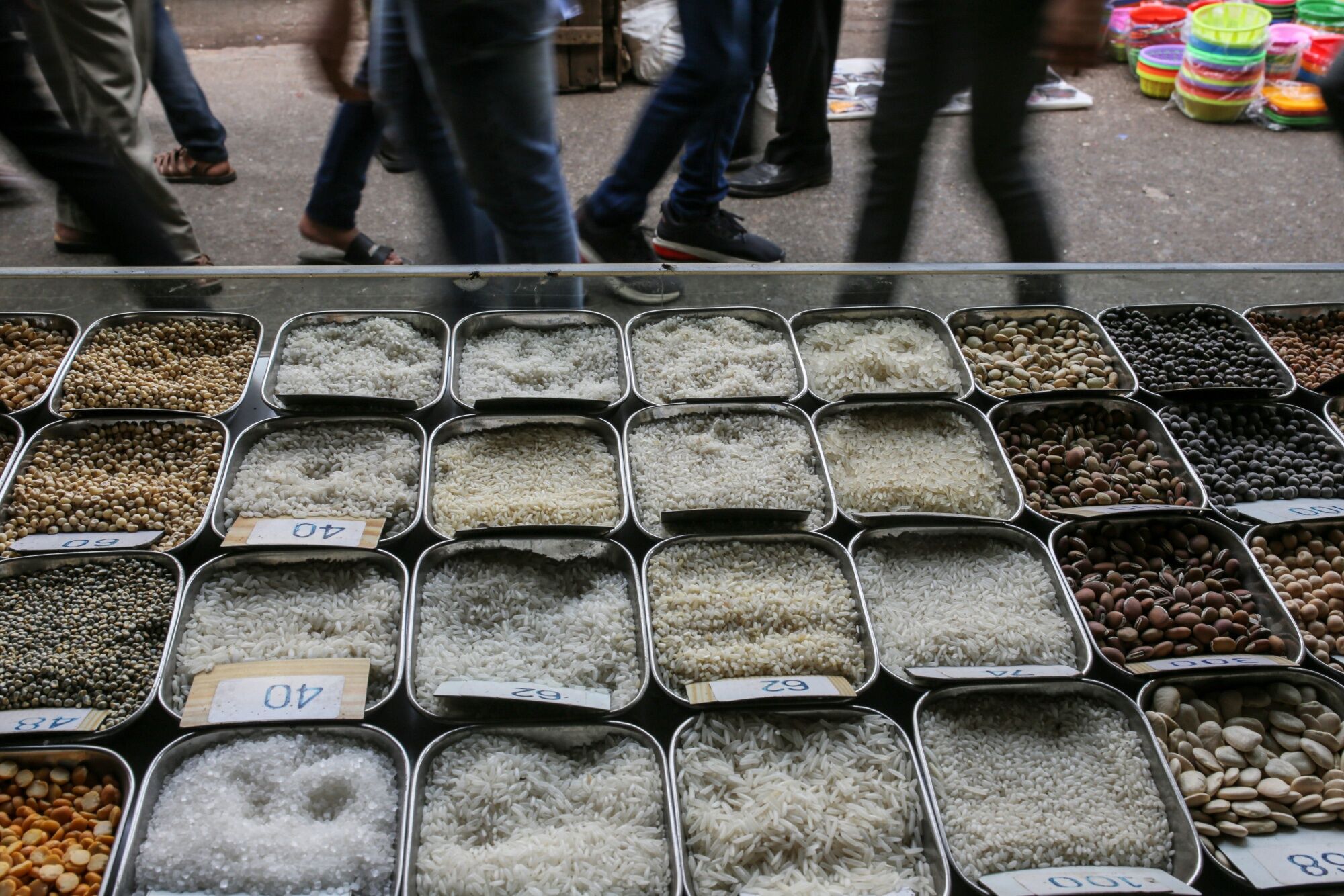
(Bloomberg) -- Pulses are the latest headache for India's central bank as a delayed start to the four-month rainy season boosts prices of the staple for hundreds of millions of the nation's vegetarians.
India is witnessing a shortage of legumes after production of some varieties fell last year following unseasonable showers that damaged crops. This year, a late start to the monsoon will potentially hurt planting — further supporting prices for some varieties.
That's prompting the government to ensure adequate supplies of pigeon peas, one of the biggest monsoon-sown pulses and known locally as , as well as grains such as rice and wheat by selling some volume from national reserves.
The government plans to sell 50,000 tons of pigeon peas in the open market to cool prices, according to people familiar with the matter, who asked not to be identified as they're not authorized to speak publicly. The food ministry flagged the sale of stockpiles in a statement on June 27, but didn't specify the volume. Rohit Kumar Singh, India's consumer affairs secretary, confirmed the move on Friday, adding that the country's pigeon pea imports will climb to 1.2 million tons in 2023-24, compared with 890,000 tons a year earlier.
Pulses are an intrinsic part of Indian cuisine and main source of protein for millions in the country. The legumes, which include pigeon peas, chickpeas and lentils, are often cooked with curry spices, sauces or butter and eaten at most meals with rice and Indian flat bread.
India imports pulses from countries including Canada, Australia, Myanmar, Brazil and some East African countries.
On Wednesday, the retail price of pigeon peas in New Delhi was more than 40% higher than a year earlier, according to data from the food ministry. The average price nationwide was up more than 25% over the same period.
The monsoon is crucial for agriculture production and an important determinant of food prices in India. The central bank has flagged inflation risks due to the weaker monsoon. Retail inflation fell to a 25-month low of 4.25% in May.
(Updates to add government official's comment in fourth paragraph)
More stories like this are available on bloomberg.com
©2023 Bloomberg L.P.
Essential Business Intelligence, Sharp Market Insights, Practical Personal Finance Advice, Daily Fuel, Gold and Silver Prices and Latest Stories — On NDTV Profit.