India’s Biggest Junk Bond Faces Creditor Demands As Delay Sought
(Bloomberg) -- India's biggest ever high-yield rupee corporate bond, held by a number of global private credit funds, is casting a spotlight on pockets of stress within the nation's credit markets.
Some holders of the 143 billion rupee ($1.7 billion) note issued last year by Goswami Infratech Pvt are planning to ask the company for sweeteners in exchange for potentially accepting a company proposal to delay a payment, people familiar with the matter said.
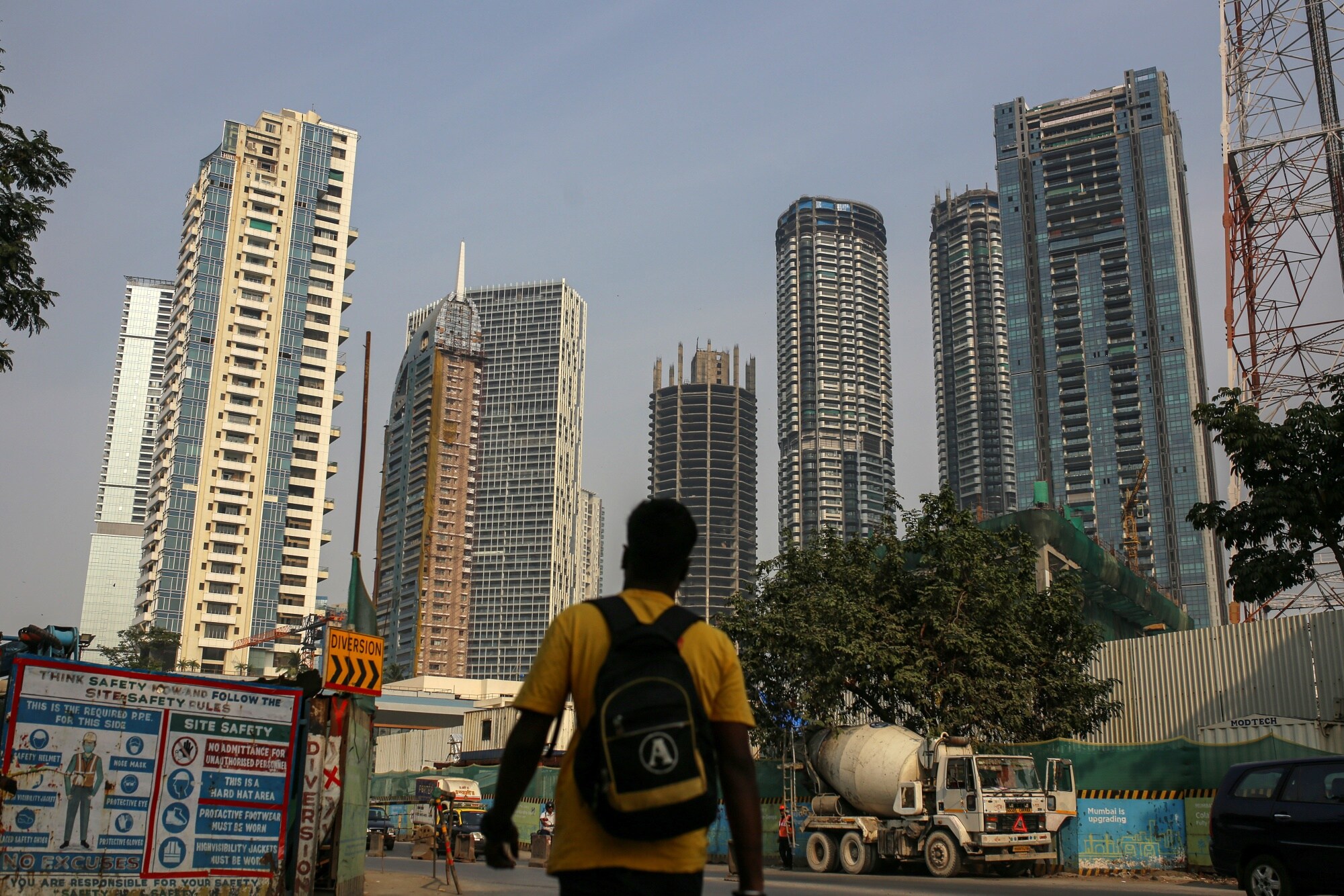
Goswami Infratech is an investment company within the Shapoorji Pallonji group under billionaire Shapoor Mistry. Its projects include apartments, warehouses, parking spaces and shops. The company has said it may not be able to pay 14 billion rupees that could come due later this month if certain terms aren't met, and effectively asked to push that back to later this year.
In response, some holders are considering asking the builder for consent fees, changes to existing collateral or a slight increase in the payment that could come due later this month, the people said, asking not to be identified speaking about a private matter.
The tussle underscores broader risks posed by payment delays as global private credit investors increasingly wade into emerging markets. India has been among hot spots in Asia, and Prime Minister Narendra Modi—whose party is currently contesting parliamentary elections—has fueled interest by pushing for more infrastructure investment.
Private credit investors have been among holders of the Goswami Infratech bond including Cerberus Capital Capital Management LP, Varde Partners LP and Davidson Kempner Capital Management LP. Others have included Canyon Capital, Edelweiss, Deutsche Bank and Standard Chartered Bank, according to a report by Praxis Global Alliance in April.
When Goswami Infratech offered the debt in June last year, money managers flocked to the deal, which offered a juicy 18.75% yield.
Of course, such high yields come with bigger risks. The Shapoorji Pallonji group has suffered from liquidity crunches after it piled on debt before the pandemic. That's forced the engineering and construction conglomerate to attempt to offload assets.
The group sold its stake in a key port on the east coast of India called Gopalpur earlier this year to an Adani group company. But that came only after failure to reach such a deal by the end of last year breached a clause in the Goswami Infratech bond that resulted in the borrower having to raise the yield to 20.75%.
Another clause, or so-called covenant, in the note stipulates that the Shapoorji Pallonji group must refinance certain debt of its main investment vehicle Sterling Investment Corp.
Goswami Infratech said in a letter to the bond trustee earlier this month that the covenant would likely be breached, forcing it to pay creditors the 14 billion rupees, because Shapoorji Pallonji group hasn't raised new debt for Sterling Investment.
The firm said it would then have three business days from May 26 to make that payment, but may not be able to do so.
It is seeking holders' consent to amend the trigger event date to no later than Sept. 30, or as early as when the covenant criteria are met.
The investors are going back to their internal investment committees to reach a final decision next week, the people said.
More stories like this are available on bloomberg.com
©2024 Bloomberg L.P.

-
Talking Points This Week: Leadership Shock At Nvidia, Earnings Strength, And The Fog Over Hormuz

The Anthropic IPO pricing and first trading day, Nvidia's upcoming earnings, and any fresh signals from Iran will set the tone for the following week.
-
Signature Play: The Classic Cocktail Is Dead. Or Is It?
Classic cocktails are disappearing from India's cocktail menus. But they're still being ordered, taught to bartenders and borrowed from. So, who's really having the last drink?
-
A New Samvat Wishlist: Inclusive Prosperity And Human Development
India has strengthened its economic foundations through infrastructure, digital access and enterprise. Its next growth chapter must deepen productivity, create better livelihoods and widen participation in prosperity.
-
Love, Sex Aur Dhokha: The Audacious Plot To Spy On Jensen Huang
A Taipei dinner, a Singapore chip buyer and a suspected Chinese asset: inside the alleged spy operation that got close to NVIDIA's Jensen Huang.
-
Ten Things I Learnt This Samvat
Patience can be a trap. Cheap stocks can stay cheap. Leverage can wipe you out. What did Samvat 2082 teach us? Niraj Shah writes on 10 lessons from the year gone by.
-
Talking Points This Week: Tech Nerves, FII Buying, And A Faraway Banking Shock
The global markets are not shining this Diwali. The exception in the large markets is, India.
-
Midterm Rally Lasted A Day. The Hard Reality Of A Divided US May Last Two Years | Opinion
Between a contested AI boom, a debt ceiling that arrives in 2027 and a president with every incentive to act alone, the next two years may prove more volatile than the first day's rally suggests.
-
Blue Wave Will Derail the AI Trade but Won't Dismantle the AI Era | Unhedged Position
The Democrats' sweep of the US Congress will see politics collide with economic forces both over the long and short term.
-
It's Time To Take The GST Council's Bet On Trust Global
Payment records can prove India's services exports, and clear, proportionate rules can bring foreign digital sellers into the tax net.
-
Opinion | India at 38: From Innovation Overperformer to Innovation Powerhouse
India now has 453 VC-backed deep science startups, 18 of them late-stage, after 117 percent growth since 2020. Laurus Labs, at USD 9.3 billion, is the most valuable deep science company in any middle-income economy outside China.









