India Proposes Slashing EV Import Taxes In U.K. Free Trade Deal
(Bloomberg) --
India is proposing reducing import taxes on some electric vehicles from the UK in an effort to clinch a free-trade deal between the two nations by the end of the year, according to two people familiar with the discussions.
New Delhi is considering a concessional tariff of 30% on 2,500 electric vehicles imported annually from the UK priced above $80,000, the people said, asking not to be identified as the talks are private. India currently levies taxes between 70% and 100% on cars imported as completely built units, depending on their value.
The UK's demand for import concessions on electric vehicles is one of the few outstanding issues in the free trade talks. Prime Minister Rishi Sunak and his Indian counterpart Narendra Modi had hoped to finalize the agreement by the end of last month, but it's unlikely a deal will now be announced until December, Bloomberg News previously reported.
India's trade ministry didn't immediately respond to a request for information. A spokesperson for the UK trade department declined to comment as the talks are still ongoing.
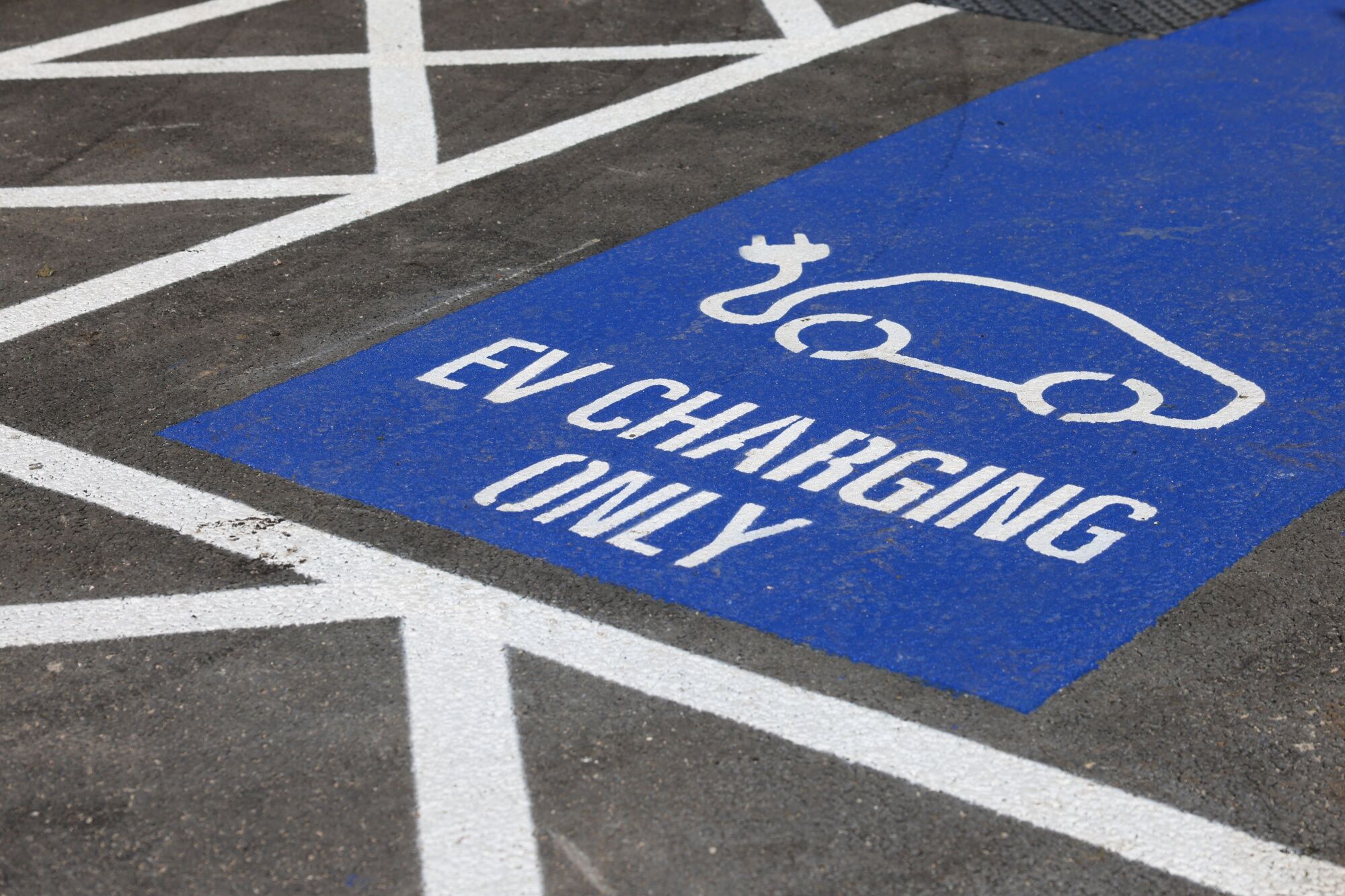
India is the world's most populous country, with demand for electric vehicles rising among middle-class and wealthy buyers. The adoption of EVs in the country has been held back by the high cost of the cars, a dearth of options and lack of charging stations. Opening up the EV segment of the market could also speed up cleaner transport in a nation with the world's most toxic air.
Electric vehicle sales in India stood at 49,800 last year, making up just 1.3% of the 3.8 million passenger vehicles sold, according to BloombergNEF.
In India's cost-conscious market, the country's best-selling electric car, Tata Motors Ltd.'s Nexon.ev, is priced at less than 1.5 million rupees ($18,000). German luxury automakers BMW AG, Mercedes-Benz Group AG and Volkswagen AG's Audi sell electric cars above $80,000 in India.
Modi's government is treading cautiously on the EV imports as it seeks to build a domestic manufacturing industry for electric vehicles and parts. The government in 2021 announced a $3.1 billion production-linked incentive program for local EV production.
A final decision on India's position on import duties on EVs has yet to be made, according to people familiar with the discussions.
India and the UK had already softened their position on a number of issues, including reducing tariffs on British cars and scotch whisky, Bloomberg News previously reported.
The two countries expect the free trade deal would double bilateral trade by 2030 through lower tariffs and increased market access. It would also be a political win for both leaders, with the UK-India pact seen as a key prize of Brexit and a way to boost India's manufacturing ambitions.
India imposes a range of import duties on cars. For vehicles purchased from overseas unassembled, the tax ranges from 15% to 35%.
--With assistance from Ragini Saxena and Ellen Milligan.
More stories like this are available on bloomberg.com
©2023 Bloomberg L.P.

-
Rs 50-Lakh Gold In Bank Locker, Rs 3 Lakh Of Protection: The Gap Most Families Don't Know About

The RBI ties a bank's liability to the annual locker rent and families who want to insure their jewellery face a separate question about how to prove what was inside.
-
The More Food Turns Into Fuel, The Harder It Is To Read Agricultural Markets | The Reason Why
A policy designed to reduce dependence on imported fuel can create new pressures elsewhere in the food economy.
-
Your iPhone Costs 12 Grams Of Gold, A Car About 100. What Does Your Life Weigh?
Measured in rupees, almost everything looks more expensive than it did a generation ago. Measured in grams of gold, a lot of it has become cheaper.
-
Gold Is Rs 22,000 Cheaper Than A Month Ago. Should You Buy Amid The Wedding Season?
Gold's potential slide to $3,500 could save around Rs 4,700 per 10 grams, but a soft inflation print could just as easily push prices back up. One way to split the risk is to buy in parts, some now and the rest after the Fed's Dec. 9 decision.
-
AI Agents Are Gaining Power. Who Governs Them?
Artificial intelligence agents promise to transform productivity by moving machines from assisting decisions to executing them. But as organisations delegate greater authority to these AI-agents, they must first establish who controls that authority and who remains accountable when things go wrong.
-
Why Swapping Your Old Gold Can Trigger A Rs 5 Lakh Tax Bill, And How You Can Avoid It Legally
Swapping old gold for new is taxed as a sale and a fresh purchase. Getting your own gold remade can cut most of that bill, though it has its own costs.
-
The AI Trade is Done. The Real Opportunity for Investors Starts in 2027 | Unhedged Position
As pureplay AI stocks plunge and circular, capex-led financing unwinds, 2027 is set to be a year of reckoning for AI companies. Yet the bust clears the way for a better opportunity for investors in 2027 -- shifting the spotlight from AI builders to the companies using AI.
-
Leadership As Mission: Why The Age Of AI Demands More Human Leadership
Debjani Ghosh examines how AI is changing leadership, arguing that its success must be measured by its impact on people and the accountability of those guiding its use.
-
We May Need Another Tukaram Mundhe To Fight Air Pollution | The Reason Why
Developers may install basic measures such as sprinklers and green nets, resume work, and continue violating rules when this equipment stops working.
-
Extracting Value From Battery Scrap Could Be Challenging For India | The Reason Why
A discarded lithium-ion battery still contains valuable materials such as lithium, nickel and cobalt. These can be recovered and reused. When such batteries are crushed and shredded, they produce a dark powder called black mass.









