India Plans Up To 74% Foreign Investment In Defence Technologies Without Approval
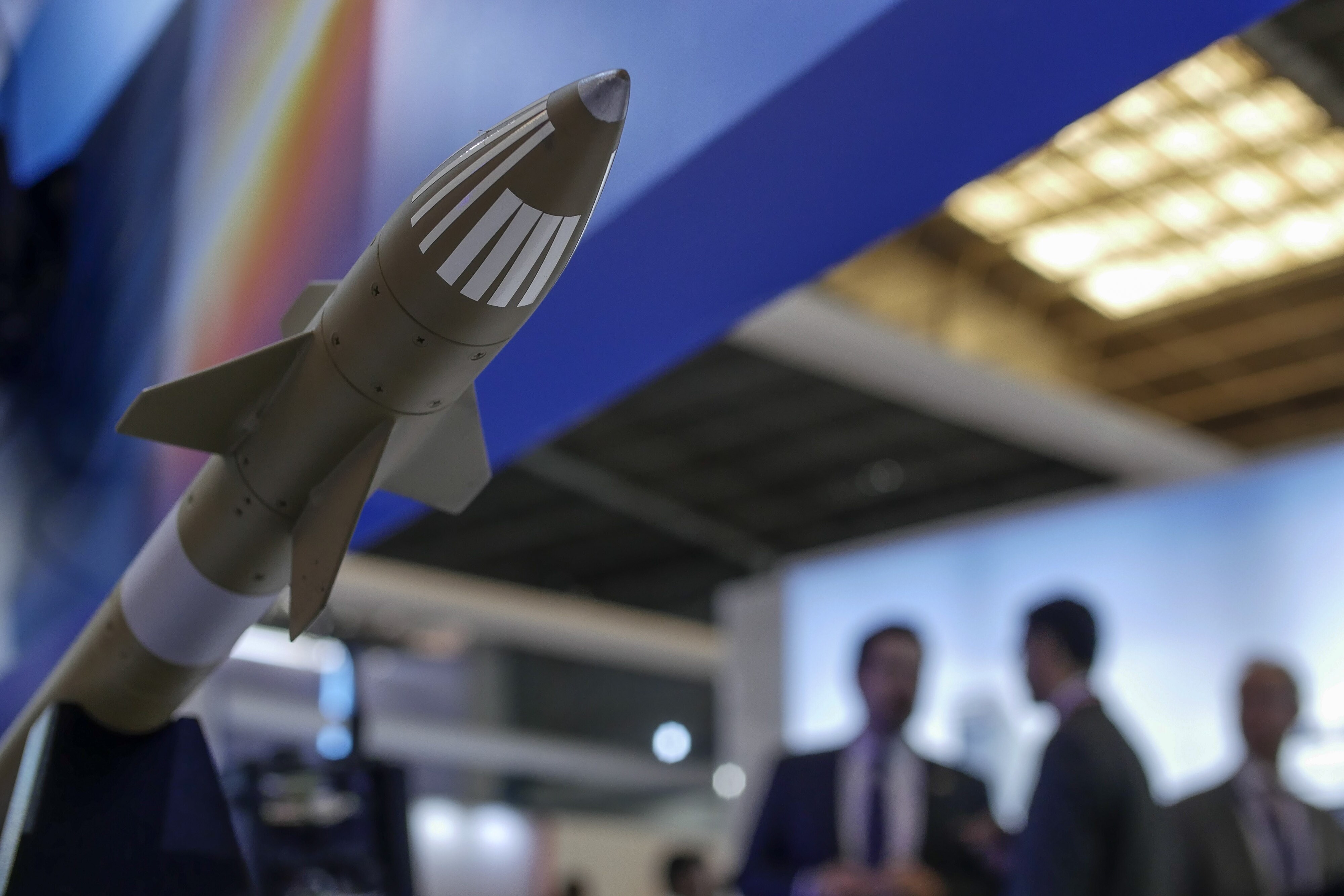
India plans to allow higher foreign investments in niche defence technologies under the automatic route as the world's largest importer of arms and defence equipment looks to boost local manufacturing.
Prime Minister Narendra Modi's administration aims to increase the foreign direct investment cap from the current 49 percent to 74 percent in such technologies, according to a draft Defence Production Policy 2018 released by the Ministry of Defence. As of now, anything over the existing limit is allowed on a case-to-case basis.
India aims to be among the top five countries in aerospace and defence, the document said, seeking comments. The policy aims at reduced dependence on imports, and self-reliance in development and manufacturing of indigenous weapon systems. The government plans to increase the domestic production nearly threefold to Rs 1.7 lakh crore by 2025. The key focus, according to the draft, will be on:
- Fighter aircraft
- Medium lift and utility helicopters
- Warships
- Land combat vehicles
- Autonomous weapon systems
- Missile systems
- Gun systems
- Small arms
- Ammunition and explosives
- Surveillance systems
- Electronic warfare systems
- Communication systems
- Night fighting enablers
Watch this discussion with JD Patil, whole time director and senior executive vice president of the defence business at L&T.
Also Read: Defence Allocation Gets Nearly 8% Boost At Rs 2.95 Lakh Crore
Focus On Cyberspace And AI
The government is looking to tap the Indian information technology sector to gain an edge in cyberspace and artificial intelligence. It has emerged as the fourth domain of warfare and India, with its leadership in IT can use this technology tilt to its advantage, the draft said.
Licensing Regime
The government will list platform and weapon systems being considered for procurement in the next 10 years to help private firms understand the opportunities. It will also simplify ‘Make-II' process for private companies to enter defence production. To that end, it will liberalise the regime by allowing licenses in 30 days, pruning the no-go areas to a small ‘negative list' for licensing.
The government will also do away with ex ante, or forecast-based, capacity assessment except in critical projects. It will introduce earnest money deposits and performance guarantees as safeguards for others.
Offset Regime
The government proposes to set up an offsets ombudsman for resolving all such claims. Offsets—investments through a local partner to set up ecosystem of suppliers—would be investment linked.
Taxation: The policy aims to rationalise taxes on import of capital goods for services and inputs for defence and aims to prevent inversion of taxes.
Defence Industry Corridors
The policy aims to build defence industry corridors in partnership with states and on existing production facilities to create an ecosystem of supply chains of small businesses and original equipment makers. The government will spend Rs 3,000 crore each to create a special entity for developing such corridors.
Also Read: Defence Acquisition Policy: Indian And Foreign Firms That May Vie For Contracts
Access To Testing Facilities
India will provide access to its testing facilities to the private sector. It will also set up common testing facilities, contributing up to Rs 100 crore per testing facility.
Exports
India is looking at Rs 35,000 crore of exports by 2025. It will promote made-in-India products through government-to-government agreements and line of credit. The Indian offset partners would be encouraged to take up export of parts and accessories.
Aerosopace
The government proposes to set up National Aeronautical Commission for better coordination and sharing of information and technologies. It plans to set up an aeronautical university along with Hindustan Aeronautics Ltd. by equally sharing the costs.
It plans to transition automotive component manufacturers to aeronautical parts design and manufacturing.
The government also plans to develop a civilian aircraft for 80-100 seats over the next seven years by leveraging the design and manufacturing capabilities developed in the country.
Boost For HAL
India wants to augment capacities to produce various platforms, including light combat aircraft, advance light helicopter, light combat helicopter, light utility helicopter and Dornier 228 for armed forces and exports.
Also Read: Why Industry Says Nirmala Sitharaman Can Expedite Defence Orders

-
Getting To Work Costs Women More | The Reason Why

It is not just about women paying more than men. It is about women paying much more in cities than in villages.
-
AI Bias In Investing Cannot Be Eliminated, But It Can Be Governed
Framing is a particularly important example as identical financial information presented in terms of gains rather than losses can lead an LLM to reach a different assessment.
-
Joining The Dots | Dark Skies, Steady Diya: Why Hope Holds This Diwali
With war, a weak rupee and foreign outflows weighing on sentiment, policymakers at the NDTV World Summit and market veterans at NDTV Profit Ignite: Diwali Edition offered the same advice: stay invested and filter out the noise.
-
The Curious Case of Equitas Small Finance Bank And A CEO Who Quit For Stock
PN Vasudevan believes persistent investor concerns over a perceived conflict of interest had become a governance overhang on Equitas Small Finance Bank's stock, even as the lender improved profitability and asset quality.
-
Talking Points This Week: AI Cash Burn, A Tiger Comeback And An India That Still Finds Its Own Path
India is not immune to higher oil or tighter global liquidity, yet its earnings base is broader, its domestic policy levers are still available.
-
Foreign Investors Own Half Of HDFC Bank and ICICI Bank. An LTCG Cut Could Matter Most Here
Foreign portfolio investors have US$115 billion parked in HDFC Bank, ICICI Bank. If the government cuts long-term capital gains tax, Jefferies says returning foreign money could land here first.
-
'Never Seen This Level Of Negativity': Sandeep Tandon Says The Next Rally May Be Closer Than You Think
Veteran investor Sandeep Tandon says foreign selling is easing, large-caps are due a comeback and mid-caps are crowded, while he turns positive on gold, power and pharma this Diwali.
-
Indians Stay With Family, Not In Hotels | The Reason Why
India still lacks enough clean, reliable and affordable hotels for budget-conscious travellers.
-
The Economic Imperative: Analysing The Material Driving Force Behind India-Canada Strategic Reset
This economic complementarity is further reinforced by deep institutional investment ties and talent mobility, which form the bedrock of the bilateral framework.
-
Medicine Pricing: Where Must Profit Stop?
India must confront excessive margins, hidden incentives and regulatory gaps that threaten the integrity of medicine.










