Government Plans Extra Tariffs, Trade Barriers On 300 Imported Products: Report
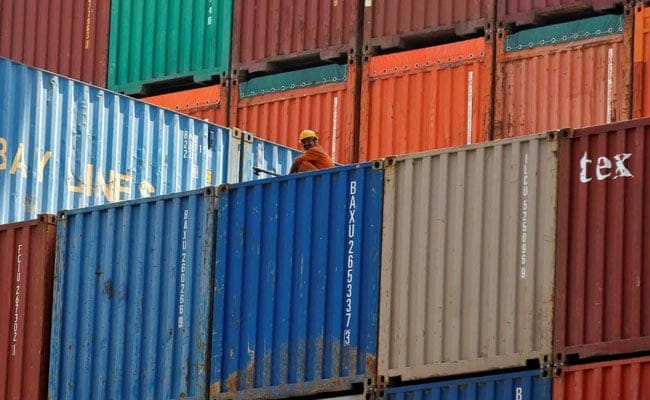
The government plans to impose higher trade barriers and raise import duties on around 300 products from China and elsewhere, two government officials said, as part of an effort to protect domestic businesses. The plan has been under review since at least April, according to a government document seen by news agency Reuters, and is in line with Prime Minister Narendra Modi's recently announced self-reliance campaign to promote local products. The new duty structures are likely to be gradually outlined over the next three months, said the sources, who asked not to be named as the plan is still being finalised.
The finance ministry and trade ministry, which is involved in the discussions, did not respond to requests for comment. The government is considering raising import duties on 160-200 products and imposing non-tariff barriers - such as licensing requirements or stricter quality checks - on another 100, according to the officials.
The decision will target imports worth $8-10 billion with the aim of deterring non-essential lower quality imports which render Indian products uncompetitive, said the first official, who has direct knowledge of the plans.
"We are not targeting any country, but this is one of the ways to reduce a trade deficit that is lopsided with countries like China," the second official said.
Bilateral trade between China and India was worth $88 billion in the fiscal year ending March 2019, with a trade deficit of $53.5 billion in China's favour, the widest India has with any country.
Between April 2019 and February 2020, the latest data available, India's trade deficit with China was $46.8 billion.
A separate industry source familiar with the matter said engineering goods, electronics and some medical equipment were among items being considered under the plan. A third government source said non-tariff barriers, such as more stringent quality control certification, could apply to imported products such as air conditioners.
PM Modi has vowed to promote and protect local manufacturing since he swept to power in 2014. He has promoted a "Make in India" programme in recent years, and last month announced an "Atmanirbhar Bharat", or a self-reliant India, campaign.
The government already raised taxes on imports of goods such as electronic items, toys and furniture in February, drawing criticism that it was a protectionist move against foreign businesses. Sweden's IKEA, for example, said at the time it was disappointed with the higher tariffs.
The government document showed feedback had been sought from various ministries to arrive at the list of around 300 products, which has not been seen by Reuters.
It has increased duties on more than 3,600 tariff lines covering products from sectors such as textiles and electronics since 2014, the document added.
"We're pushing for a policy to strengthen Indian manufacturing keeping in view its strengthens and weaknesses," a fourth government official said.

-
We May Need Another Tukaram Mundhe To Fight Air Pollution | The Reason Why

Developers may install basic measures such as sprinklers and green nets, resume work, and continue violating rules when this equipment stops working.
-
Extracting Value From Battery Scrap Could Be Challenging For India | The Reason Why
A discarded lithium-ion battery still contains valuable materials such as lithium, nickel and cobalt. These can be recovered and reused. When such batteries are crushed and shredded, they produce a dark powder called black mass.
-
One El Nino, India Can Handle. Two Could Break The Granary
India's grain stocks can absorb one bad year, but a second El Nino could drain the buffer in two to three years, economists say.
-
India's Troika Of Good Luck | Joining The Dots
As Jensen Huang's exit drags Nvidia down, a cooling AI trade and resilient earnings have revived investor interest in India. A likely RBI rate hike looms.
-
Talking Points This Week: Leadership Shock At Nvidia, Earnings Strength, And The Fog Over Hormuz
The Anthropic IPO pricing and first trading day, Nvidia's upcoming earnings, and any fresh signals from Iran will set the tone for the following week.
-
Signature Play: The Classic Cocktail Is Dead. Or Is It?
Classic cocktails are disappearing from India's cocktail menus. But they're still being ordered, taught to bartenders and borrowed from. So, who's really having the last drink?
-
A New Samvat Wishlist: Inclusive Prosperity And Human Development
India has strengthened its economic foundations through infrastructure, digital access and enterprise. Its next growth chapter must deepen productivity, create better livelihoods and widen participation in prosperity.
-
Love, Sex Aur Dhokha: The Audacious Plot To Spy On Jensen Huang
A Taipei dinner, a Singapore chip buyer and a suspected Chinese asset: inside the alleged spy operation that got close to NVIDIA's Jensen Huang.
-
Ten Things I Learnt This Samvat
Patience can be a trap. Cheap stocks can stay cheap. Leverage can wipe you out. What did Samvat 2082 teach us? Niraj Shah writes on 10 lessons from the year gone by.
-
Talking Points This Week: Tech Nerves, FII Buying, And A Faraway Banking Shock
The global markets are not shining this Diwali. The exception in the large markets is, India.









