India Is Changing The Way It Is Lighting Its Homes
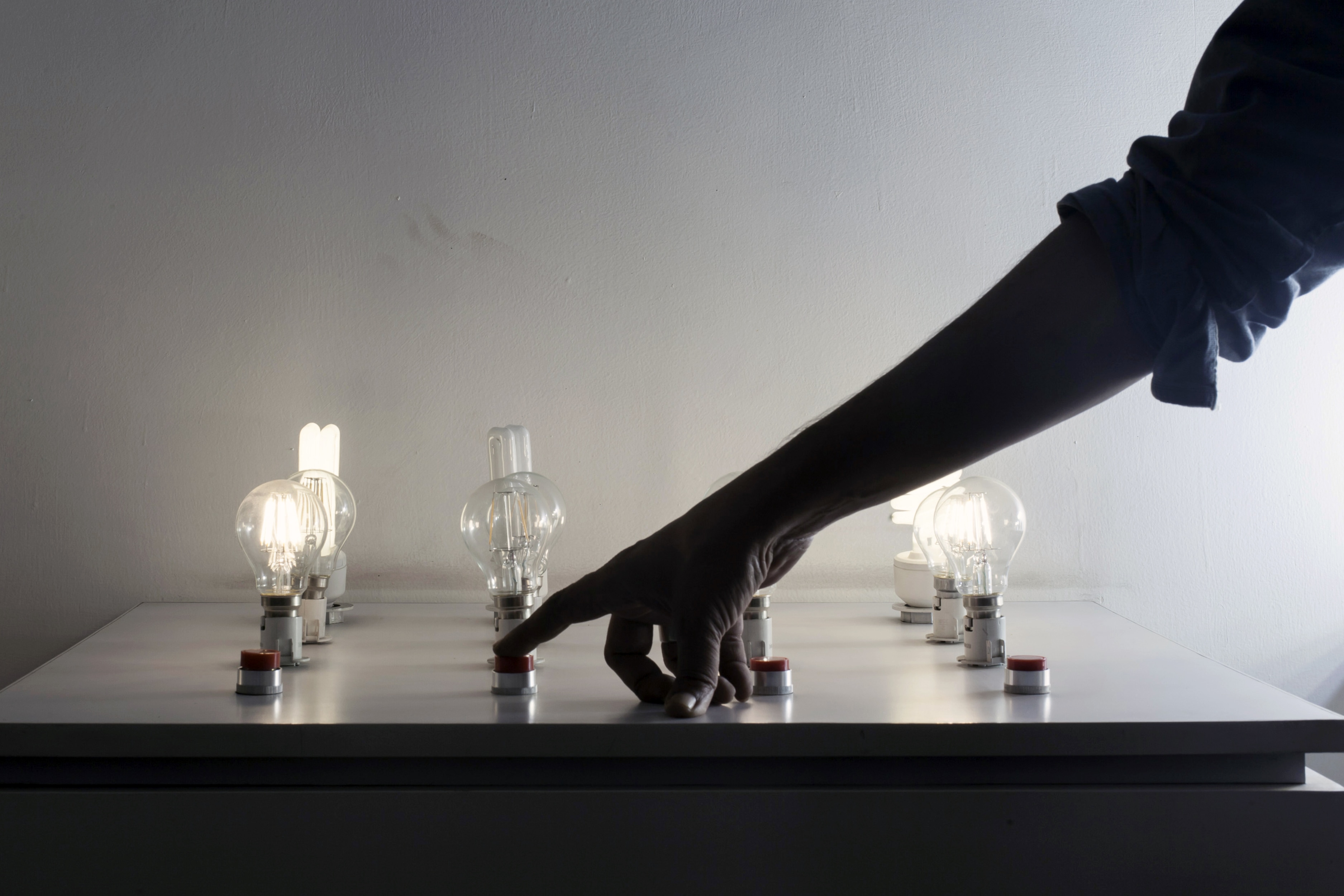
Mithilesh Kumar, who runs a small electrical shop in Delhi's Gujranwala area, has seen the sales of incandescent electric bulbs fall drastically over the past few years. “People prefer LED bulbs as the prices have declined significantly. Eight months ago, a 9W LED bulb was selling for Rs 160, but now it costs Rs 90.”
That comes after the Modi government's push to energy-saving bulbs in Indian homes through the UJALA—Unnat Jyoti by Affordable LEDs and Appliances for All—scheme launched in 2015. It set a target of replacing 77-crore incandescent lamps with LED lights by March 2019. So far, state-run Energy Efficiency Services Ltd. has distributed 35.5 crore.
The company, however, said overall target has been exceeded with the help of private manufacturers. “EESL replaced 35.5 crore LED bulbs and the private sector replaced about 111.66 crore till December 2018,” Saurabh Kumar, managing director at EESL, told BloombergQuint. “When we started the programme, there was no private sector activity in LED space. If we were to do everything, then we would've become a monopoly.”
UJALA isn't new though. EESL had floated the first tender to procure LED lamps in January 2014, before the Modi government took over, under the Domestic Efficiency Lighting Programme. The tender was won by Eco Light with a price of Rs 310 per LED bulb of 7 Watt. This scheme was later re-branded as UJALA. Competition and higher volumes brought prices further down, according to Kumar.
Price Falls
LED lamps now cost about one-eighth of the price four years ago. “Because of competitive bidding, the LED lamps now cost Rs 42 each compared with Rs 300 in 2015,” Kumar said.
Under UJALA, every household with a metered connection can replace their conventional bulbs with LEDs either by paying EMIs to their utility provider or through an upfront payment.
Ramesh Kumar, 55, a resident of Derawal Nagar in Delhi, said he switched to LED lamps and tube lights four to five years ago. “I use them at home because they save electricity and are brighter,” he said. The cost, he said, is similar to a traditional bulb but is more energy efficient. "A 40-watt conventional tube light costs Rs 240, as much as an 18-watt LED tube light.”
India's LED lighting market stood at $918 million in 2016, according to research and consultancy firm TechSci Research. While the LED lighting market grew at 36 percent in 2017, LEDs accounted for 54 percent of the share by value, according to Electric Lamps and Component Manufacturers Association of India. Data for the period after that isn't available yet.
The government claims that its UJALA scheme has saved 45,119 million kilowatt hour of energy every year, leading to Rs 18,048 crore in cost saving annually.
EESL said it has also recovered the amount it had spent on the scheme, adding that the company garnered a revenue of Rs 4,000 crore in the last four years under the programme. “We are getting the returns through volumes. When you are pushing something for 1 lakh in numbers, then your per item earning is much higher, according to Kumar. “The revenue was almost Rs 1,000 crore per year. We had invested around Rs 3,500 crore for the whole programme.”

-
Indians Are Travelling, But Not Every Journey Is A Holiday | The Week In Whys

Pilgrims, patients and working women are the real travellers, and the system hasn't quite caught up with them.
-
Getting To Work Costs Women More | The Reason Why
It is not just about women paying more than men. It is about women paying much more in cities than in villages.
-
AI Bias In Investing Cannot Be Eliminated, But It Can Be Governed
Framing is a particularly important example as identical financial information presented in terms of gains rather than losses can lead an LLM to reach a different assessment.
-
Joining The Dots | Dark Skies, Steady Diya: Why Hope Holds This Diwali
With war, a weak rupee and foreign outflows weighing on sentiment, policymakers at the NDTV World Summit and market veterans at NDTV Profit Ignite: Diwali Edition offered the same advice: stay invested and filter out the noise.
-
The Curious Case of Equitas Small Finance Bank And A CEO Who Quit For Stock
PN Vasudevan believes persistent investor concerns over a perceived conflict of interest had become a governance overhang on Equitas Small Finance Bank's stock, even as the lender improved profitability and asset quality.
-
Talking Points This Week: AI Cash Burn, A Tiger Comeback And An India That Still Finds Its Own Path
India is not immune to higher oil or tighter global liquidity, yet its earnings base is broader, its domestic policy levers are still available.
-
Foreign Investors Own Half Of HDFC Bank and ICICI Bank. An LTCG Cut Could Matter Most Here
Foreign portfolio investors have US$115 billion parked in HDFC Bank, ICICI Bank. If the government cuts long-term capital gains tax, Jefferies says returning foreign money could land here first.
-
'Never Seen This Level Of Negativity': Sandeep Tandon Says The Next Rally May Be Closer Than You Think
Veteran investor Sandeep Tandon says foreign selling is easing, large-caps are due a comeback and mid-caps are crowded, while he turns positive on gold, power and pharma this Diwali.
-
Indians Stay With Family, Not In Hotels | The Reason Why
India still lacks enough clean, reliable and affordable hotels for budget-conscious travellers.
-
The Economic Imperative: Analysing The Material Driving Force Behind India-Canada Strategic Reset
This economic complementarity is further reinforced by deep institutional investment ties and talent mobility, which form the bedrock of the bilateral framework.










