India Hits $770 Million In Imports From Bangladesh With Port Restrictions
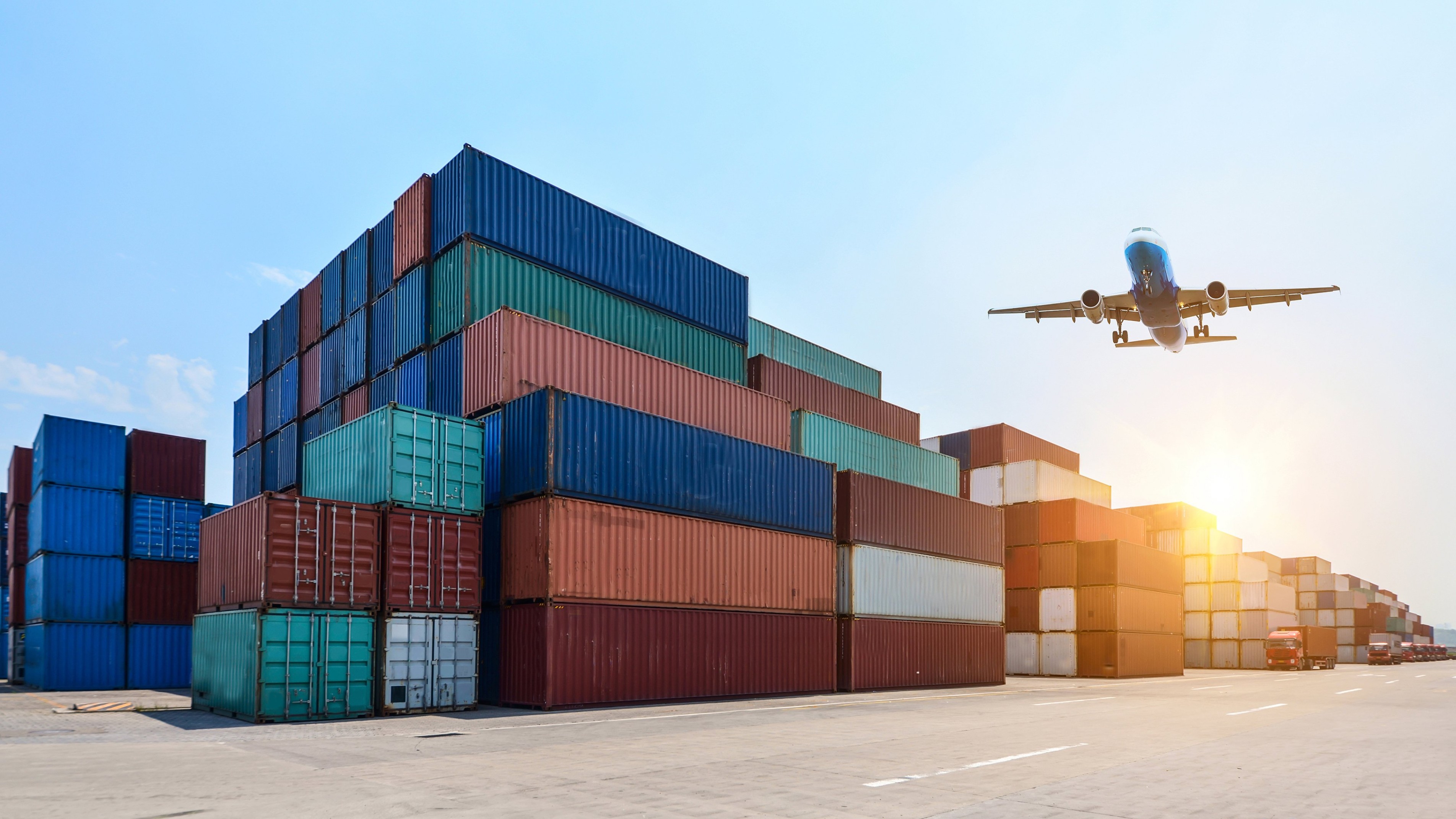
India's move to curb imports from Bangladesh will hit goods worth $770 million (Rs 6,600 crore) from Bangladesh, covering nearly 42% of bilateral imports.
The Directorate General of Foreign Trade on Saturday imposed port restrictions on the import of certain goods from Bangladesh to India. However, such said port restriction will not apply to Bangladesh goods transiting through India but destined for Nepal and Bhutan.
With this, key goods like garments, processed foods, and plastic items are now limited to select sea ports or barred from land routes entirely.
"Ready-made garments, valued at $618 million (Rs 5,290 crore), now face strict routing through only two Indian seaports. This severely limits Bangladesh's most valuable export channel to India," according to Ajay Srivastava, founder of think-tank Global Trade Research Initiative (GTRI).
The move may be in response to Bangladesh's recent restrictions on Indian yarn, rice, and other goods, as well as the imposition of a transit fee on Indian cargo, which has marked a departure from past cooperation.
Further, Bangladesh's interim government under Muhammad Yunus has also moved closer to China, securing $2.1 billion in new deals. India's response is part of a broader pushback against Beijing's expanding regional influence, Srivastava said.
The move is also positive for Indian textile firms, who have also long protested the competitive edge enjoyed by Bangladeshi exporters.
"Top global brands like H&M, Zara, Primark, Uniqlo, and Walmart source apparel from Bangladesh, some of which enters India's domestic market. Indian manufacturers have long expressed concern over the uneven playing field: they pay a 5% GST on locally sourced fabric, while Bangladeshi firms import fabric duty-free from China and receive export incentives for sales to India—giving them an estimated 10–15% price advantage," Srivastava said.
Apart from readymade garments, affected categories include fruit-flavoured carbonated drinks, processed foods, cotton and cotton yarn waste, plastic and PVC finished goods, and wooden furniture.
These items, worth $153 million (Rs 1,310 crore) collectively, are now barred from entry through any land customs stations in India's northeast or key posts in West Bengal like Changrabandha and Fulbari. While the move exempts fish, LPG, edible oil, and crushed stone, its impact is expected to be substantial.

-
Signature Play: The Classic Cocktail Is Dead. Or Is It?

Classic cocktails are disappearing from India's cocktail menus. But they're still being ordered, taught to bartenders and borrowed from. So, who's really having the last drink?
-
A New Samvat Wishlist: Inclusive Prosperity And Human Development
India has strengthened its economic foundations through infrastructure, digital access and enterprise. Its next growth chapter must deepen productivity, create better livelihoods and widen participation in prosperity.
-
Love, Sex Aur Dhokha: The Audacious Plot To Spy On Jensen Huang
A Taipei dinner, a Singapore chip buyer and a suspected Chinese asset: inside the alleged spy operation that got close to NVIDIA's Jensen Huang.
-
Ten Things I Learnt This Samvat
Patience can be a trap. Cheap stocks can stay cheap. Leverage can wipe you out. What did Samvat 2082 teach us? Niraj Shah writes on 10 lessons from the year gone by.
-
Talking Points This Week: Tech Nerves, FII Buying, And A Faraway Banking Shock
The global markets are not shining this Diwali. The exception in the large markets is, India.
-
Midterm Rally Lasted A Day. The Hard Reality Of A Divided US May Last Two Years | Opinion
Between a contested AI boom, a debt ceiling that arrives in 2027 and a president with every incentive to act alone, the next two years may prove more volatile than the first day's rally suggests.
-
Blue Wave Will Derail the AI Trade but Won't Dismantle the AI Era | Unhedged Position
The Democrats' sweep of the US Congress will see politics collide with economic forces both over the long and short term.
-
It's Time To Take The GST Council's Bet On Trust Global
Payment records can prove India's services exports, and clear, proportionate rules can bring foreign digital sellers into the tax net.
-
Opinion | India at 38: From Innovation Overperformer to Innovation Powerhouse
India now has 453 VC-backed deep science startups, 18 of them late-stage, after 117 percent growth since 2020. Laurus Labs, at USD 9.3 billion, is the most valuable deep science company in any middle-income economy outside China.









