India Gas Demand Growth Stymied By Slow Infrastructure Development
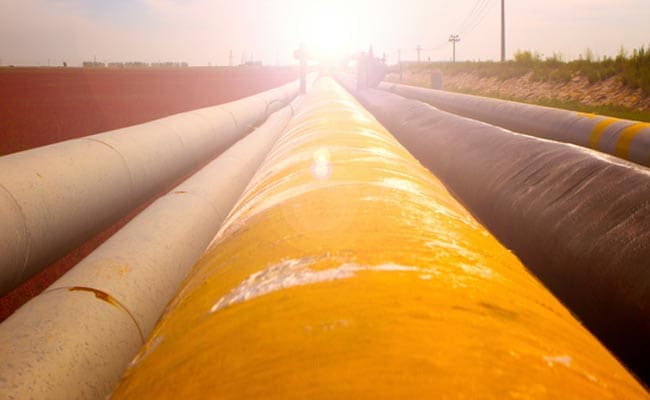
NEW DELHI: India, the world's third-biggest energy consumer, is striving to grow its natural gas use and shift away from oil and coal for power and industry, but its lack of gas import infrastructure is stymieing faster adoption of the cleaner-burning fuel.
And while India is the world's fourth-biggest importer of liquefied natural gas (LNG) - behind Japan, South Korea and China - and is seen as a market on the rise, growth in consumption of the fuel is still far outpaced by oil and coal.
Consultancy KPMG said in a presentation to the Petrotech conference in New Delhi the lagging development of natural gas infrastructure has helped to cut its portion of India's energy basket in half from a high of 12 percent five years ago.
"India is a compelling market ... (but) continues to lack infrastructure to support a gas-based economy," Hamad Mubarak Al Muhannadi, chief executive of Qatar's RasGas, told delegates at the conference on Tuesday.
"Coal and liquid fuels continue to meet the majority of India's energy needs. "India's LNG imports from RasGas represent around 10 percent of the Middle Eastern nation's overall annual output. RasGas has a big presence in India through its 25-year contract with top importer of the fuel, Petronet LNG and provides more than 50 percent of the country's LNG shipments.
Prime Minister Narendra Modi, addressing the conference on Monday, called natural gas the "next-generation fossil fuel, cheaper and less polluting." But he acknowledged the need to improve India's gas import infrastructure to meet demand.
Modi said his government planned to extend piped gas to 10 million houses over the next five years; double the length of the national pipeline network to 30,000 km; and build a new gas line to the underdeveloped eastern region.
India's oil ministry is planning to invest up to $15 billion in developing pipelines and setting up LNG terminals over the next five years, a senior government official told Reuters on Tuesday.
State-owned consultancy Engineers India Ltd has also signed an agreement with Gazprom to study the construction of a gas pipeline to India from Russia, the Indian government said in a statement in October.
"It's important that the exuberance of foreign companies is met with infrastructure to be able to absorb that supply," the government official told Reuters, declining to be named.
A Gazprom executive told Reuters his company wanted to be "as big as RasGas in India" given the country's market size and its fast-growing economy. It already has a long-term supply agreement with state-controlled GAIL India Ltd.
"India is a great market, it is a growth market. We would like to have a good share," said Frederic Barnaud, chief commercial officer of marketing and trading for Gazprom.
India renegotiated a long-term LNG supply deal with RasGas last year, nearly halving the price and avoiding a $1.5 billion penalty fee for lifting less gas than agreed as customers there preferred cheaper spot supplies.
(This story has not been edited by NDTV staff and is auto-generated from a syndicated feed.)

-
AI Bias In Investing Cannot Be Eliminated, But It Can Be Governed

Framing is a particularly important example as identical financial information presented in terms of gains rather than losses can lead an LLM to reach a different assessment.
-
Joining The Dots | Dark Skies, Steady Diya: Why Hope Holds This Diwali
With war, a weak rupee and foreign outflows weighing on sentiment, policymakers at the NDTV World Summit and market veterans at NDTV Profit Ignite: Diwali Edition offered the same advice: stay invested and filter out the noise.
-
The Curious Case of Equitas Small Finance Bank And A CEO Who Quit For Stock
PN Vasudevan believes persistent investor concerns over a perceived conflict of interest had become a governance overhang on Equitas Small Finance Bank's stock, even as the lender improved profitability and asset quality.
-
Talking Points This Week: AI Cash Burn, A Tiger Comeback And An India That Still Finds Its Own Path
India is not immune to higher oil or tighter global liquidity, yet its earnings base is broader, its domestic policy levers are still available.
-
Foreign Investors Own Half Of HDFC Bank and ICICI Bank. An LTCG Cut Could Matter Most Here
Foreign portfolio investors have US$115 billion parked in HDFC Bank, ICICI Bank. If the government cuts long-term capital gains tax, Jefferies says returning foreign money could land here first.
-
'Never Seen This Level Of Negativity': Sandeep Tandon Says The Next Rally May Be Closer Than You Think
Veteran investor Sandeep Tandon says foreign selling is easing, large-caps are due a comeback and mid-caps are crowded, while he turns positive on gold, power and pharma this Diwali.
-
Indians Stay With Family, Not In Hotels | The Reason Why
India still lacks enough clean, reliable and affordable hotels for budget-conscious travellers.
-
The Economic Imperative: Analysing The Material Driving Force Behind India-Canada Strategic Reset
This economic complementarity is further reinforced by deep institutional investment ties and talent mobility, which form the bedrock of the bilateral framework.
-
Medicine Pricing: Where Must Profit Stop?
India must confront excessive margins, hidden incentives and regulatory gaps that threaten the integrity of medicine.
-
Why Amazon And Flipkart Are Struggling To Beat Meesho In India's Smaller Cities
With 274 million users and lowest-cost logistics, Meesho is defending its value commerce crown against giants like Amazon and Flipkart.










