India Gets A New EV Subsidy Scheme That Skips Electric, Hybrid Cars
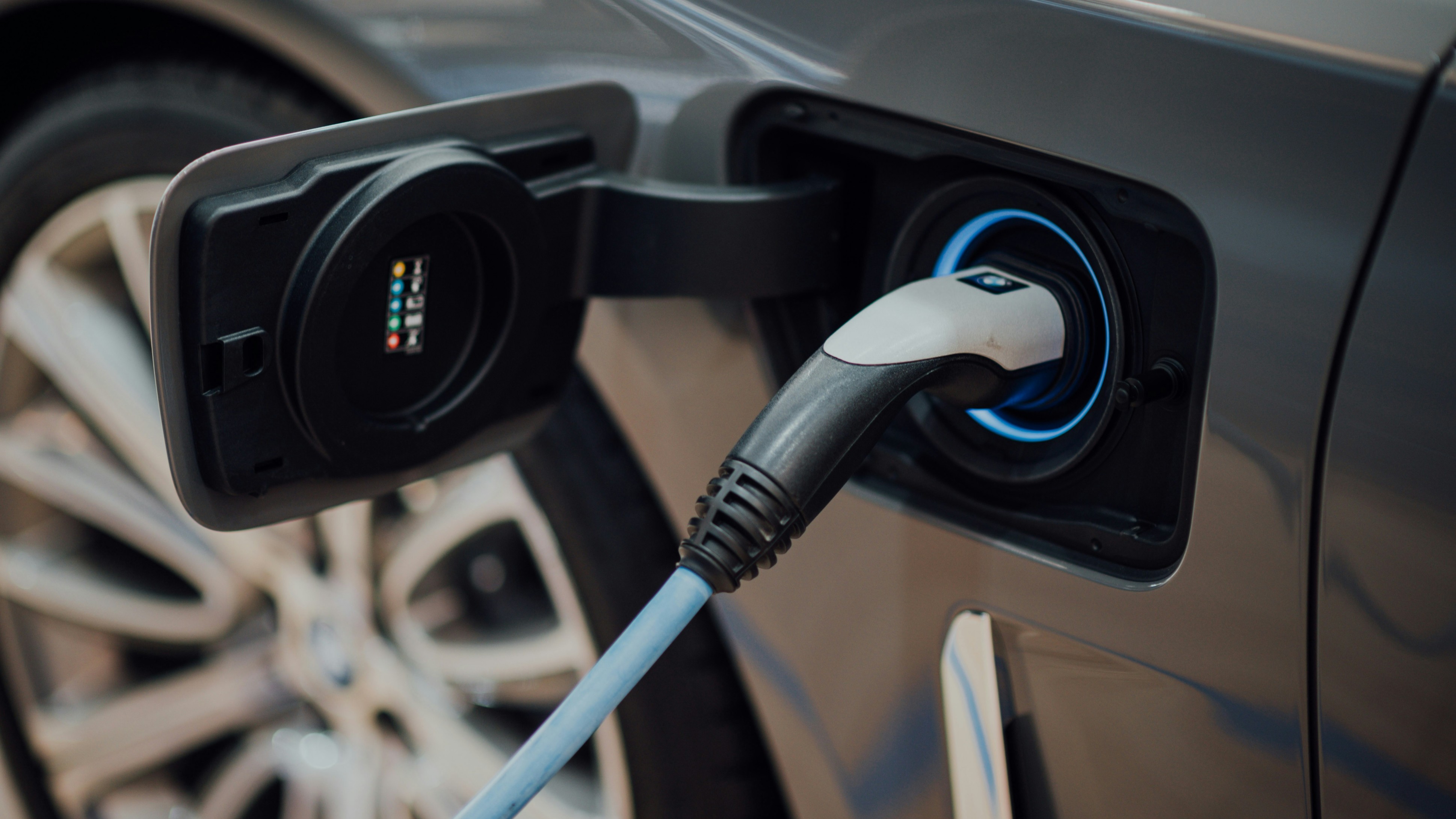
The government has approved for two years a new Rs 10,900 crore EV subsidy scheme, in yet another attempt to step up adoption of electric mobility in the world's third largest automotive industry.
Called PM Electric Drive Revolution in Innovative Vehicle Enhancement, or PM E-Drive, the EV subsidy scheme will support 24.79 lakh electric two-wheelers, 3.16 lakh electric three-wheelers and 14,028 electric buses with a total outlay of Rs 3,679 crore, according to a press statement released on Wednesday.
A special emphasis has been laid on building charging infrastructure—a key bottleneck in large-scale adoption of electric vehicles in India. The scheme proposes the installation of 22,100 fast chargers for electric cars, 1800 fast chargers for electric buses and 48,400 fast chargers for electric two- and three-wheelers. The outlay is set at Rs 2,000 crore.
"There is no provision for electric (or hybrid) cars under the new scheme," Union Minister Ashwini Vaishnaw said while announcing the cabinet decisions taken during a meeting on Wednesday.
A sum of Rs 4,391 crore has been provided for the procurement of 14,028 electric buses by public transport agencies. A study will be conducted to gauge demand for electric buses in cities with a population of more than 40 lakh, including Delhi, Mumbai, Kolkata, Chennai, Ahmedabad, Surat, Bangalore, Pune and Hyderabad. Intercity and Interstate electric buses will be supported in consultation with states.
An additional Rs 500 crore has been allocated for hybrid ambulances.
Separately, the Union Ministry of Heavy Industries is introducing e-vouchers for EV buyers to avail demand incentives under the scheme.
At the time of purchase of the EV, the scheme portal will generate an Aadhaar authenticated e-voucher for the buyer. A link to download the e-voucher shall be sent to the registered mobile number of the buyer.
The PM E-Drive follows the second phase of the Faster Adoption and Manufacturing of (Hybrid &) Electric Vehicles, which expired on March 31, 2024, after a five-year run. During those five years, the FAME-II scheme impacted 13,21,800 EVs with a total outlay of Rs 11,500 crore. Only 2,700 charging points were installed under the FAME-II scheme.
The scheme was replaced by the Rs 500 crore Electric Mobility Promotion Scheme 2024, which is set to run its course on Sept. 31.
The first iteration of the FAME scheme came into effect in April 2015 for a duration of two years but was extended through March 31, 2019. Out of the total outlay of Rs 795 crore, only Rs 529 crore was disbursed, covering 2.78 lakh EVs and 465 electric buses.
On Sept. 2, NDTV Profit reported that the central government is set to announce the FAME-III EV subsidy scheme by mid-September with an outlay comparable to that of the FAME-II. Now, the scheme has been rechristened, albeit with a smaller outlay and no benefits for electric cars.

-
Gold Is Rs 22,000 Cheaper Than A Month Ago. Should You Buy Amid The Wedding Season?

Gold's potential slide to $3,500 could save around Rs 4,700 per 10 grams, but a soft inflation print could just as easily push prices back up. One way to split the risk is to buy in parts, some now and the rest after the Fed's Dec. 9 decision.
-
AI Agents Are Gaining Power. Who Governs Them?
Artificial intelligence agents promise to transform productivity by moving machines from assisting decisions to executing them. But as organisations delegate greater authority to these AI-agents, they must first establish who controls that authority and who remains accountable when things go wrong.
-
Why Swapping Your Old Gold Can Trigger A Rs 5 Lakh Tax Bill, And How You Can Avoid It Legally
Swapping old gold for new is taxed as a sale and a fresh purchase. Getting your own gold remade can cut most of that bill, though it has its own costs.
-
The AI Trade is Done. The Real Opportunity for Investors Starts in 2027 | Unhedged Position
As pureplay AI stocks plunge and circular, capex-led financing unwinds, 2027 is set to be a year of reckoning for AI companies. Yet the bust clears the way for a better opportunity for investors in 2027 -- shifting the spotlight from AI builders to the companies using AI.
-
Leadership As Mission: Why The Age Of AI Demands More Human Leadership
Debjani Ghosh examines how AI is changing leadership, arguing that its success must be measured by its impact on people and the accountability of those guiding its use.
-
We May Need Another Tukaram Mundhe To Fight Air Pollution | The Reason Why
Developers may install basic measures such as sprinklers and green nets, resume work, and continue violating rules when this equipment stops working.
-
Extracting Value From Battery Scrap Could Be Challenging For India | The Reason Why
A discarded lithium-ion battery still contains valuable materials such as lithium, nickel and cobalt. These can be recovered and reused. When such batteries are crushed and shredded, they produce a dark powder called black mass.
-
One El Nino, India Can Handle. Two Could Break The Granary
India's grain stocks can absorb one bad year, but a second El Nino could drain the buffer in two to three years, economists say.
-
India's Troika Of Good Luck | Joining The Dots
As Jensen Huang's exit drags Nvidia down, a cooling AI trade and resilient earnings have revived investor interest in India. A likely RBI rate hike looms.
-
Talking Points This Week: Leadership Shock At Nvidia, Earnings Strength, And The Fog Over Hormuz
The Anthropic IPO pricing and first trading day, Nvidia's upcoming earnings, and any fresh signals from Iran will set the tone for the following week.









