India Appeals Against WTO Dispute Panel Ruling On Sugar Subsidies
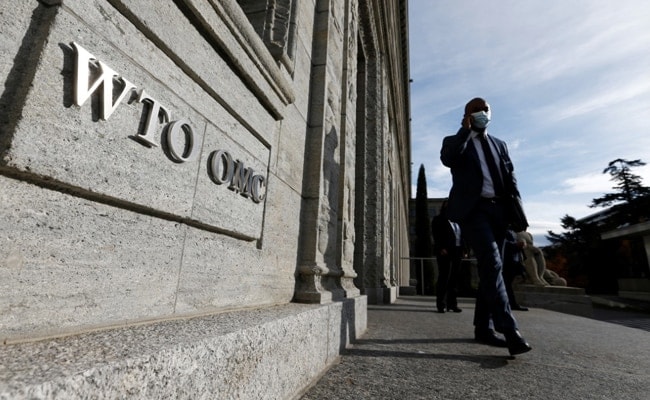
India has appealed against a ruling of the World Trade Organisation's trade dispute settlement panel on domestic sugar subsidies, stating that the panel has committed "certain errors of law" in its report, the WTO said on Tuesday.
The appeal was filed by India in the WTO's Appellate Body, which is the final authority on such trade disputes.
"India has notified the Dispute Settlement Body of its decision to appeal the panel reports in the cases brought by Brazil, Australia and Guatemala in 'India - Measures Concerning Sugar and Sugarcane," the WTO said in a statement.
It said that given the ongoing lack of agreement among WTO members regarding the filling of Appellate Body vacancies, there is no Appellate Body division available at the current time to deal with the appeal.
The panel in its ruling on December 14, 2021, recommended India to withdraw its alleged prohibited subsidies under the Production Assistance, Buffer Stock, and Marketing and Transportation Schemes within 120 days from the adoption of this report.
Ruling in favour of Brazil, Australia, and Guatemala in their trade dispute against India over New Delhi's sugar subsidies, the WTO panel has stated that the support measures are inconsistent with WTO trade rules.
In its submissions to the Appellate Body, India has appealed and requested the body to "reverse, modify, or declare moot and of no legal effect, the findings, conclusions, rulings and recommendations of the Panel", with respect to certain "errors of law or legal interpretation contained in the panel report".
India has sought review of the panel's finding that the scheme for providing assistance to sugar mills for expenses on marketing costs, including handling, upgrading and other processing costs and costs of international and internal transport and freight charges on the export of sugar for the 2019-20 sugar season (MAEQ Scheme), is within its terms of reference.
"The Panel grossly errs in holding that the MAEQ Scheme is of the same essence as other alleged export subsidies identified in the complainants' requests for the establishment of a panel. India considers that the Panel has cherry-picked a few broad similarities while ignoring the differences between MAEQ and the other alleged exports subsidy measures," according to a communication of India, circulated to members.
New Delhi has also said that the panel has erred in finding that India's fair and remunerative price and state advised price constitute market price support under the WTO's agreement of agriculture.
In 2019, Brazil, Australia, and Guatemala dragged India into the WTO's dispute settlement mechanism alleging that New Delhi's domestic support measures to producers of sugarcane and sugar and export subsidies are inconsistent with global trade rules, including various provisions of the WTO's Agreement on Agriculture, Agreement on Subsidies and Countervailing Measures, and the General Agreement on Trade and Tariffs (GATT).

-
Getting To Work Costs Women More | The Reason Why

It is not just about women paying more than men. It is about women paying much more in cities than in villages.
-
AI Bias In Investing Cannot Be Eliminated, But It Can Be Governed
Framing is a particularly important example as identical financial information presented in terms of gains rather than losses can lead an LLM to reach a different assessment.
-
Joining The Dots | Dark Skies, Steady Diya: Why Hope Holds This Diwali
With war, a weak rupee and foreign outflows weighing on sentiment, policymakers at the NDTV World Summit and market veterans at NDTV Profit Ignite: Diwali Edition offered the same advice: stay invested and filter out the noise.
-
The Curious Case of Equitas Small Finance Bank And A CEO Who Quit For Stock
PN Vasudevan believes persistent investor concerns over a perceived conflict of interest had become a governance overhang on Equitas Small Finance Bank's stock, even as the lender improved profitability and asset quality.
-
Talking Points This Week: AI Cash Burn, A Tiger Comeback And An India That Still Finds Its Own Path
India is not immune to higher oil or tighter global liquidity, yet its earnings base is broader, its domestic policy levers are still available.
-
Foreign Investors Own Half Of HDFC Bank and ICICI Bank. An LTCG Cut Could Matter Most Here
Foreign portfolio investors have US$115 billion parked in HDFC Bank, ICICI Bank. If the government cuts long-term capital gains tax, Jefferies says returning foreign money could land here first.
-
'Never Seen This Level Of Negativity': Sandeep Tandon Says The Next Rally May Be Closer Than You Think
Veteran investor Sandeep Tandon says foreign selling is easing, large-caps are due a comeback and mid-caps are crowded, while he turns positive on gold, power and pharma this Diwali.
-
Indians Stay With Family, Not In Hotels | The Reason Why
India still lacks enough clean, reliable and affordable hotels for budget-conscious travellers.
-
The Economic Imperative: Analysing The Material Driving Force Behind India-Canada Strategic Reset
This economic complementarity is further reinforced by deep institutional investment ties and talent mobility, which form the bedrock of the bilateral framework.
-
Medicine Pricing: Where Must Profit Stop?
India must confront excessive margins, hidden incentives and regulatory gaps that threaten the integrity of medicine.










