In Charts: The Emerging Economic Impact Of A Nationwide Lockdown
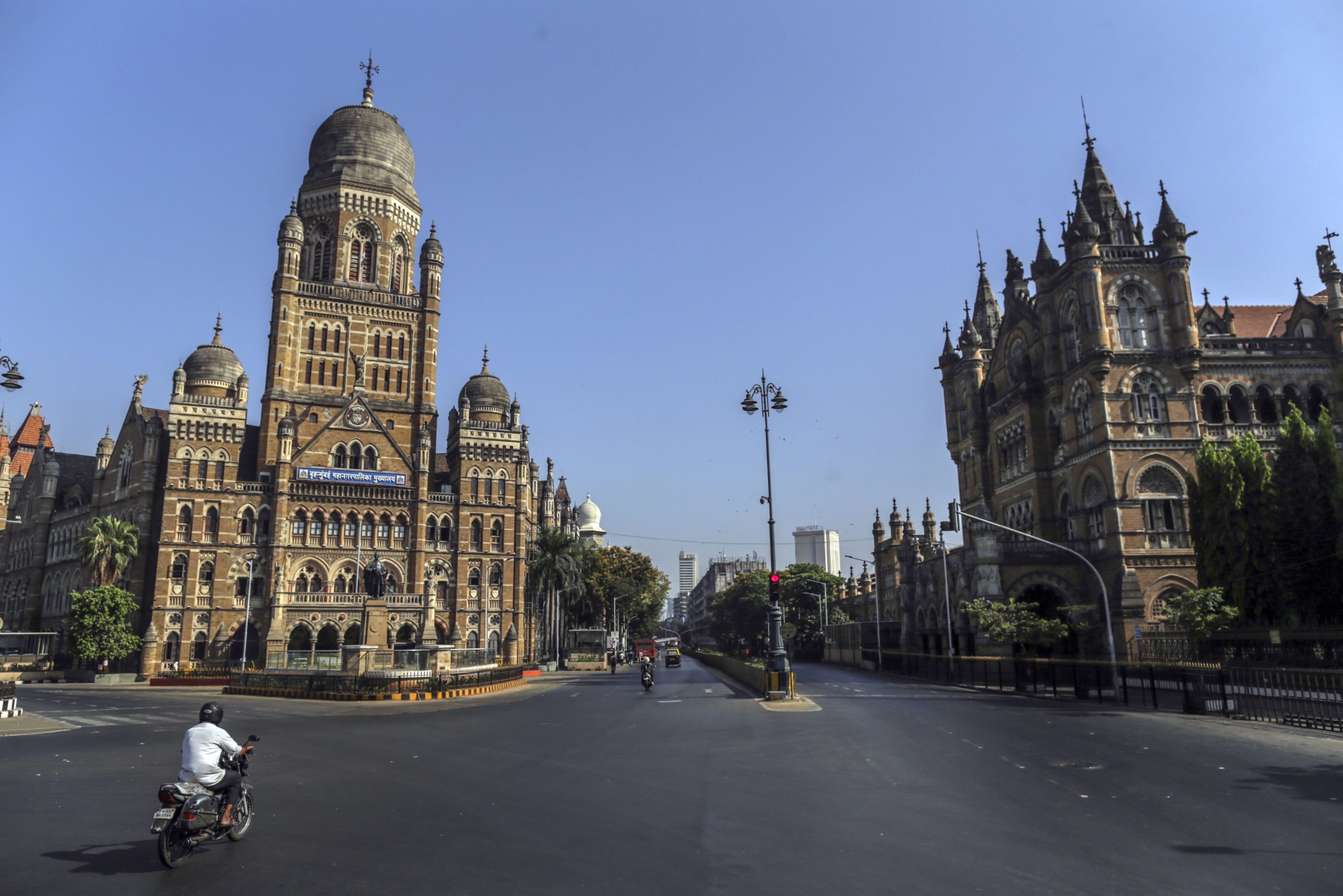
The 21-day nationwide lockdown imposed on March 24 is in its final days but an extension now seems inevitable, with a number of state chief ministers seeking a longer period of restricted activity.
The result will be a loss of significant economic activity for an even longer period of time. High frequency indicators for March and early April are already reflecting the impact of a sudden stop in economic activity.
From sales of petroleum products to port activity and a spike in unemployment, the data is beginning to reflect an economy at a near standstill.
Unemployment Rate
While India does not have official high frequency labour market data, the unemployment rate put together by the Centre For Monitoring Indian Economy, or CMIE, shows a spike in the last week of March and the first week of April.
The unemployment rate during the last week of March rose to 23.8 percent and stayed around those levels in the first week of April.
To be sure, the survey was conducted under lockdown conditions and hence the sample size was materially smaller, CMIE said.
Electricity Consumption
With factories closed and power demand coming mostly from households, peak demand has plunged.
The average demand during peak evening hours, i.e. 7 pm, contracted by 26.6 percent for April 1-10 2020 over last year, according to daily reports published by the Power System Operation Corporation Limited. Likewise, maximum demand during the day has seen a drop of 24.5 percent on average.
The impact of social the lockdown is expected to sharply curtail the demand for electricity in the immediate term, said Aditi Nayar, principal economist at ICRA.
Consumption of Petroleum Products
With fewer vehicles plying on roads, consumption of petrol fell by 16.4 percent in March 2020 over a year ago, according to data from the Petroleum Planning and Analysis Cell.
Diesel, consumed in factories and for plying commercial vehicles, saw a sharper hit as consumption fell by 24.2 percent year-on-year in March 2020.
Analysts believe that fuel demand may remain weak even after the lockdown is lifted as citizens may avoid travel for some time. According to estimates by CARE Ratings, consumption of crude oil may fall by 2.3 percent in FY21.
PMI Barely In Expansion Zone
The two Purchasing Managers' Indices complied by IHS Markit India showed slightly diverging trends.
The Services Business Activity Index fell to 49.3 in March, down from February's 85-month high of 57.5. The Manufacturing Activity Index saw a more modest fall to 51.8 in March, from 54.5 in February. This is because non-government services were the first to be hit even before a complete lockdown was announced.
The Composite PMI stood at 50.6 in March compared to 57.6 in February 2020. A level above 50 denotes expansion, while a level below it suggests contraction.
Cargo At Major Ports
Cargo handled by Indian ports fell the most in five months, dragged down by a drop in liquid cargo and container volumes.
Ports across the country handled 618.7 lakh tonnes of cargo in March, a decline of 5 percent over the year-ago period, according to data compiled by BloombergQuint.
Farm Arrivals
Arrivals of agricultural commodities at key markets have fallen to a fraction of levels seen before a 21-day nationwide lockdown was imposed, data analysed by BloombergQuint showed. This, because of supply chain disruptions despite food items being classified as essential commodities.
Data collated by BloombergQuint from Agmarknet, a government portal on agricultural marketing, showed a 15-76 percent decline in arrivals in the week of April 1-6 compared to the week of March 1-6. Overall, the total arrivals of major cereals, fruits and vegetables recorded across market centres fell to 3.09 lakh tonnes in the first week of April. This was 55.6 percent lower than arrivals seen a month ago.
The drop in arrivals of agricultural commodities signals a disrupted supply chain ahead of the crucial harvesting season.

-
We May Need Another Tukaram Mundhe To Fight Air Pollution | The Reason Why

Developers may install basic measures such as sprinklers and green nets, resume work, and continue violating rules when this equipment stops working.
-
Extracting Value From Battery Scrap Could Be Challenging For India | The Reason Why
A discarded lithium-ion battery still contains valuable materials such as lithium, nickel and cobalt. These can be recovered and reused. When such batteries are crushed and shredded, they produce a dark powder called black mass.
-
One El Nino, India Can Handle. Two Could Break The Granary
India's grain stocks can absorb one bad year, but a second El Nino could drain the buffer in two to three years, economists say.
-
India's Troika Of Good Luck | Joining The Dots
As Jensen Huang's exit drags Nvidia down, a cooling AI trade and resilient earnings have revived investor interest in India. A likely RBI rate hike looms.
-
Talking Points This Week: Leadership Shock At Nvidia, Earnings Strength, And The Fog Over Hormuz
The Anthropic IPO pricing and first trading day, Nvidia's upcoming earnings, and any fresh signals from Iran will set the tone for the following week.
-
Signature Play: The Classic Cocktail Is Dead. Or Is It?
Classic cocktails are disappearing from India's cocktail menus. But they're still being ordered, taught to bartenders and borrowed from. So, who's really having the last drink?
-
A New Samvat Wishlist: Inclusive Prosperity And Human Development
India has strengthened its economic foundations through infrastructure, digital access and enterprise. Its next growth chapter must deepen productivity, create better livelihoods and widen participation in prosperity.
-
Love, Sex Aur Dhokha: The Audacious Plot To Spy On Jensen Huang
A Taipei dinner, a Singapore chip buyer and a suspected Chinese asset: inside the alleged spy operation that got close to NVIDIA's Jensen Huang.
-
Ten Things I Learnt This Samvat
Patience can be a trap. Cheap stocks can stay cheap. Leverage can wipe you out. What did Samvat 2082 teach us? Niraj Shah writes on 10 lessons from the year gone by.
-
Talking Points This Week: Tech Nerves, FII Buying, And A Faraway Banking Shock
The global markets are not shining this Diwali. The exception in the large markets is, India.









