In 5 Weeks, Rupee Went From Asia's Worst-Performing Currency To Its Best
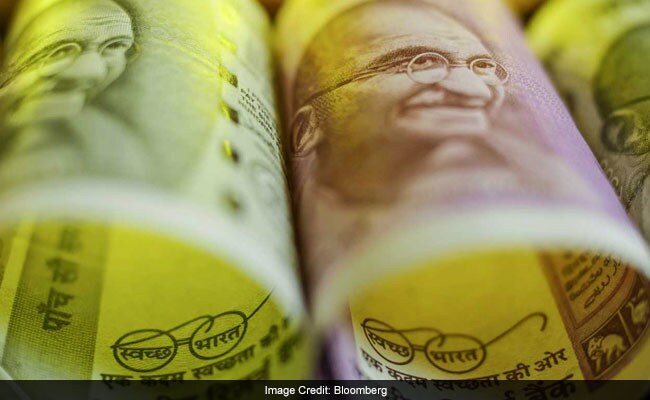
Asia's worst-performing currency took five weeks to become its best.
The turnaround has been fueled by the improved chances of Prime Minister Narendra Modi winning a second term amid recent tensions between India and Pakistan. The optimism has led to local shares and debt luring robust flows, which have turned the carry-trade returns on the rupee to the highest in the world in the past month.
"The high-yielding rupee will likely advance further if Modi wins a second term," said Gao Qi, a currency strategist at Scotiabank in Singapore, who expects the currency to rally to 67 per dollar by June-end. A dovish tilt by major central banks in the face of a faltering global expansion could also prompt foreigners to chase higher yields in emerging Asia, he said.
Dollars Gush In
Foreigners bought a net $3.3 billion of shares through March 18, accounting for more than half the $5.6 billion of inflows year-to-date, and raised holdings of bonds by $1.4 billion this month. The gush of dollars sent the rupee to its highest level since August, prompting profit-booking that saw the currency headed for its second drop in eight sessions on Wednesday.

Gaining Allure
Borrowing in dollars to purchase rupee assets has earned 3.8 percent over the past one month, the best carry-trade return in the world, data compiled by Bloomberg show. Two opinion polls showed PM Modi's ruling coalition may get close to the 272 seats needed for majority in elections that begin on April 11. Results are due on May 23.
"The market is pricing in a Modi victory as there are no other factors that explain the sudden change of mood," said Anindya Banerjee, an analyst at Kotak Securities Ltd. in Mumbai. "On top of that, carry traders are eager to be long rupee and short other low-yielding currencies, including the dollar. It is a get-set-go for the rupee."
Options Costs
The rupee optimism is also reflected in the derivatives market, where one-month options conferring the right to sell the rupee now cost 19 basis points more than those to buy. That's down from 148 on Sept. 5, which was the highest since November 2016.

"Global conditions -- dovish Fed and ECB -- have turned more supportive and domestically, increased confidence in the BJP's prospects and a recovery in portfolio flows have been the key driver" for the rupee, said Dushyant Padmanabhan, a currency strategist at Nomura Holdings Inc. in Singapore.
Swings Ebb
The rupee's three-month implied volatility, a gauge of expected swings used to price options, fell to 5.87 percent on Friday, the lowest reading since August.

"We expect the rupee to remain resilient in the near term, as bunched up foreign inflows limit any pressure from weakening EMFX sentiment," Barclays Plc strategist Ashish Agrawal, wrote in a note. "A potential BJP-led coalition victory would bode well for the INR for the rest of this year."

-
Signature Play: The Classic Cocktail Is Dead. Or Is It?

Classic cocktails are disappearing from India's cocktail menus. But they're still being ordered, taught to bartenders and borrowed from. So, who's really having the last drink?
-
A New Samvat Wishlist: Inclusive Prosperity And Human Development
India has strengthened its economic foundations through infrastructure, digital access and enterprise. Its next growth chapter must deepen productivity, create better livelihoods and widen participation in prosperity.
-
Love, Sex Aur Dhokha: The Audacious Plot To Spy On Jensen Huang
A Taipei dinner, a Singapore chip buyer and a suspected Chinese asset: inside the alleged spy operation that got close to NVIDIA's Jensen Huang.
-
Ten Things I Learnt This Samvat
Patience can be a trap. Cheap stocks can stay cheap. Leverage can wipe you out. What did Samvat 2082 teach us? Niraj Shah writes on 10 lessons from the year gone by.
-
Talking Points This Week: Tech Nerves, FII Buying, And A Faraway Banking Shock
The global markets are not shining this Diwali. The exception in the large markets is, India.
-
Midterm Rally Lasted A Day. The Hard Reality Of A Divided US May Last Two Years | Opinion
Between a contested AI boom, a debt ceiling that arrives in 2027 and a president with every incentive to act alone, the next two years may prove more volatile than the first day's rally suggests.
-
Blue Wave Will Derail the AI Trade but Won't Dismantle the AI Era | Unhedged Position
The Democrats' sweep of the US Congress will see politics collide with economic forces both over the long and short term.
-
It's Time To Take The GST Council's Bet On Trust Global
Payment records can prove India's services exports, and clear, proportionate rules can bring foreign digital sellers into the tax net.
-
Opinion | India at 38: From Innovation Overperformer to Innovation Powerhouse
India now has 453 VC-backed deep science startups, 18 of them late-stage, after 117 percent growth since 2020. Laurus Labs, at USD 9.3 billion, is the most valuable deep science company in any middle-income economy outside China.









