Optimistic, Elon Musk Will End "Censorship" On Twitter, Says 'Bitcoin Jesus'
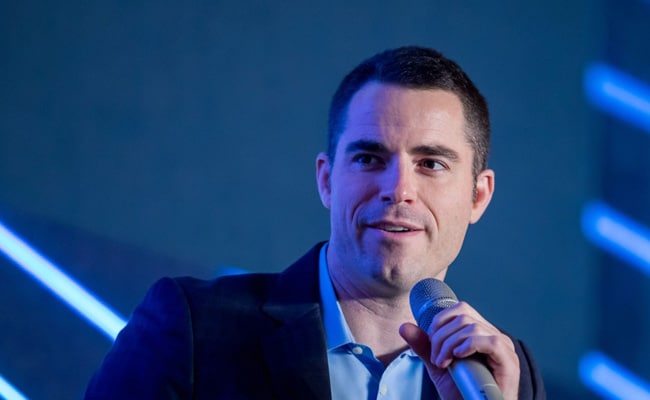
Bitcoin Jesus is back. After a year of social-media silence, Roger Ver -- who earned the moniker for his evangelical-like advocacy -- is the latest crypto pioneer to voice his support of Elon Musk's takeover of Twitter.
Like many of the early cyberpunks and Libertarians who gravitated to Twitter while helping to popularize crypto, Ver said in an interview he's optimistic Musk will end “censorship” on the social media platform.
Coinbase Global Inc. Chief Executive Officer Brian Armstrong called Musk's planned purchase “a great win for free speech.”
“It'll certainly make Twitter more attractive,” said Ver, who has 742,000 followers on the site. “I am really, really grateful that Musk is out there calling out censorship.”
April 26, 202Even though he's still often referred to by the nickname, Ver, 43, hasn't been a supporter of the largest cryptocurrency for awhile because he says it deviated from its original purpose as an alternative currency. And he's no fan of many of the current high-profile proponents such as MicroStrategy Inc. CEO Michael Saylor.
“He talks about how Bitcoin is encrypted packets -- it's techno-bubble nonsense,” Ver said.
Ver is now a fan of Dogecoin, Musk's favored cryptocurrency. Musk called Dogecoin “the people's crypto,”and Ver said it's also faster and cheaper to use than Bitcoin.
“Dogecoin is significantly better,” Ver said. “It's cheaper and more reliable. If I had to pick three contenders [for the world's dominant cryptocurrency], they would be Doge, Litecoin and Bitcoin Cash.”
The sentiments are a long ways off from where Ver started. After discovering Bitcoin in 2011, when it traded for less than $1, Ver would carry forth about the cryptocurrency at MeetUps and backyard barbecues, before moving on to conference stages when Bitcoin hit the big time.
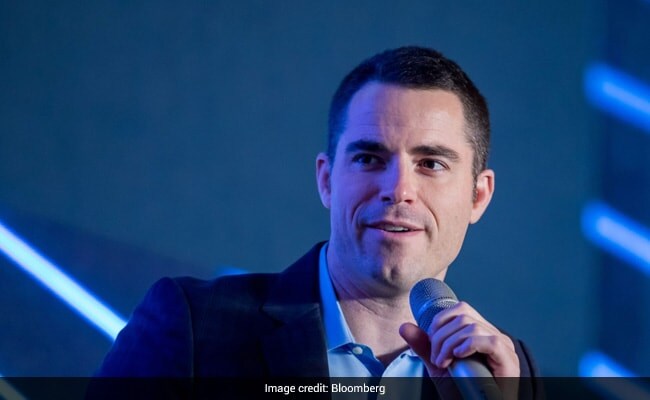
Key Speakers At Bloomberg Invest Asia Event: Roger Ver
He co-founded the startup now known as Blockchain.com, which in March raised funding that gave it a $14 billion valuation. He was an early investor in payment processor BitPay and crypto startup Ripple, he said.
When the Bitcoin network underwent a software upgrade he opposed in 2017, Ver switched allegiance to split-off version called Bitcoin Cash, which he has supported as true to the vision of Bitcoin's anonymous creator, Satoshi Nakamoto. Nowadays, Ver holds a slew of coins including Ether, Monero, XRP, among others.
“I am definitely a cryptocurrency whale still,” he said. “I've always had a wide assorted basket in cryptocurrency. I was never a Bitcoin or Bitcoin Cash maximalist.”
Bitcoin Cash had underperformed Bitcoin, whose value has increased more than threefold since the split in late 2017.
Bitcoin Cash has a market value of about $5.8 billion, compared with around $760 billion for Bitcoin, according to CoinMarketCap. Its value peaked right after the split and never recovered. It's down by more than 80% since last May.
The U.S. native is now a citizen of St. Kitts and Nevis. His PassportsForCrypto.com website, which uses Bitcoin Cash, helps individuals apply for citizenship of the Caribbean country.
Despite its name, his Bitcoin.com actually focuses on furthering Bitcoin Cash. The site has more than 30 million registered digital wallets, Ver said.
Long offering crypto trading on its centralized exchange, Bitcoin.com this summer is expected to launch a decentralized exchange, allowing people to trade with each other without intermediaries.
This month, Bitcoin.com ended a sale of a token called Verse to be used on Bitcoin.com site, with a second token sale to follow shortly.
Ver expects the token to have a market value “into the billions” once it starts trading.
(Except for the headline, this story has not been edited by NDTV staff and is published from a syndicated feed.)

-
Getting To Work Costs Women More | The Reason Why

It is not just about women paying more than men. It is about women paying much more in cities than in villages.
-
AI Bias In Investing Cannot Be Eliminated, But It Can Be Governed
Framing is a particularly important example as identical financial information presented in terms of gains rather than losses can lead an LLM to reach a different assessment.
-
Joining The Dots | Dark Skies, Steady Diya: Why Hope Holds This Diwali
With war, a weak rupee and foreign outflows weighing on sentiment, policymakers at the NDTV World Summit and market veterans at NDTV Profit Ignite: Diwali Edition offered the same advice: stay invested and filter out the noise.
-
The Curious Case of Equitas Small Finance Bank And A CEO Who Quit For Stock
PN Vasudevan believes persistent investor concerns over a perceived conflict of interest had become a governance overhang on Equitas Small Finance Bank's stock, even as the lender improved profitability and asset quality.
-
Talking Points This Week: AI Cash Burn, A Tiger Comeback And An India That Still Finds Its Own Path
India is not immune to higher oil or tighter global liquidity, yet its earnings base is broader, its domestic policy levers are still available.
-
Foreign Investors Own Half Of HDFC Bank and ICICI Bank. An LTCG Cut Could Matter Most Here
Foreign portfolio investors have US$115 billion parked in HDFC Bank, ICICI Bank. If the government cuts long-term capital gains tax, Jefferies says returning foreign money could land here first.
-
'Never Seen This Level Of Negativity': Sandeep Tandon Says The Next Rally May Be Closer Than You Think
Veteran investor Sandeep Tandon says foreign selling is easing, large-caps are due a comeback and mid-caps are crowded, while he turns positive on gold, power and pharma this Diwali.
-
Indians Stay With Family, Not In Hotels | The Reason Why
India still lacks enough clean, reliable and affordable hotels for budget-conscious travellers.
-
The Economic Imperative: Analysing The Material Driving Force Behind India-Canada Strategic Reset
This economic complementarity is further reinforced by deep institutional investment ties and talent mobility, which form the bedrock of the bilateral framework.
-
Medicine Pricing: Where Must Profit Stop?
India must confront excessive margins, hidden incentives and regulatory gaps that threaten the integrity of medicine.










