IL&FS Lessons For PM Modi From Two Singhs, Manmohan And Jaswant
Here's a bedside reading recommendation for Prime Minister Modi and Finance Minister Jaitley as they try to douse the IL&FS contagion: The Fable of Two Faxes.

The first fax popped up on two machines in Lutyens Delhi on the evening of Saturday, 30 June 2001. One was sent to the Chief Economic Advisor and the other to the Finance Secretary in the Vajpayee government, at their respective residences. The author was PS Subramanyam, the dubious chairman of Unit Trust of India, a public sector mutual fund set up by an Act of Parliament in 1963, controlling an astonishing 8 percent of market capitalisation.
The fax was an SOS. UTI's flagship scheme, US-64, had gone bust, its net asset value severely eroded with negative reserves. Subramanyam's recommendation was almost heretical, asking to “temporarily suspend the sale and purchase of US-64”. It was heretical because ordinary investors trusted US-64 like an indestructible currency note or bank fixed deposit. And this aura of commercial immortality had been created by the government itself, which kept US-64's value and dividend payout fixed over decades, irrespective of volatile movements in the underlying equity/debt portfolios.
But of late, UTI's fund managers had been colluding with rogue bull-operator, Ketan Parekh, who was later convicted for a massive stock scam. For example, US-64 was holding 1.01 crore shares of HFCL, which had dropped from Rs 2553 to Rs 79; a huge stake in Sriven Multitech, whose price had crashed from Rs 450 to Rs 8.15.
A Fatal, Lazy Delay
But small unit-holders were clueless about their penury, believing their investments were utterly safe in the hands of the sovereign. But on that fateful Saturday evening in 2001, what the sovereign held in his hand was a fax informing him that US-64 had become toilet paper. Yet strangely, the sovereign remained unperturbed, inactive over that weekend. It was a fatal, lazy oversight.
On Monday morning, when US-64 investors learned that their life's savings had vanished, all hell broke loose. People, press, politicians, everybody cried “murder”. Finance Minister Yashwant Sinha was caught in the cross-fire. He wasn't able to make up his mind whether to bail out US-64, or let it go belly up. The government kept on applying multiple band-aids on the gaping wound, until Sinha was transferred, almost one year later, from the Finance Ministry to the External Affairs Ministry.
Jaswant Singh came to his job at North Block with a clear mandate: “UTI is not an orphan, but a government-backed entity. We must support and back it fully.”
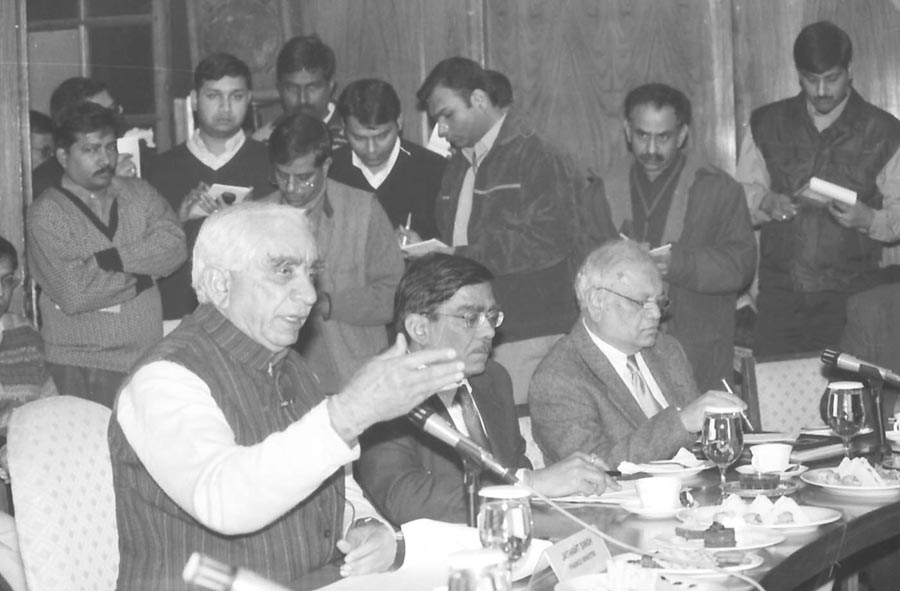
UTI's new, crisis-fighting chairman, M Damodaran, sought an immediate cash infusion of Rs 6,400 crore. Eventually, the total bailout package was pegged at Rs 14,561 crore. UTI was split into two entities: UTI-I included US-64 and other assured returns plans, and UTI-II comprised the NAV-based schemes. Calm returned. UTI was privatised. And some of the residual instruments left with the government in a special trust became red-hot stocks, giving handsome returns to the taxpayer.
The state learned a critical lesson that day: financial fires, which threaten to destabilise the ecosystem, should be put out quickly, surgically, without any doubt or demur. The post-mortem and punishment should happen after the fire is extinguished.
The Story Of The Second Fax
Satyam Computer Services Ltd. was a multi-billion dollar company spanning sixty-seven countries and six continents (it served over 650 global companies, 185 of which were Fortune 500 corporations). On January 7, 2009, its founder, Ramalinga Raju, faxed a shocking confession to the stock exchanges: ‘The Balance Sheet carries as of September 30, 2008, inflated (non-existent) cash and bank balances of over $1 billion. The gap in the Balance Sheet has arisen purely on account of inflated profits over a period of last several years. I am now prepared to subject myself to the laws of the land and face the consequences thereof.'
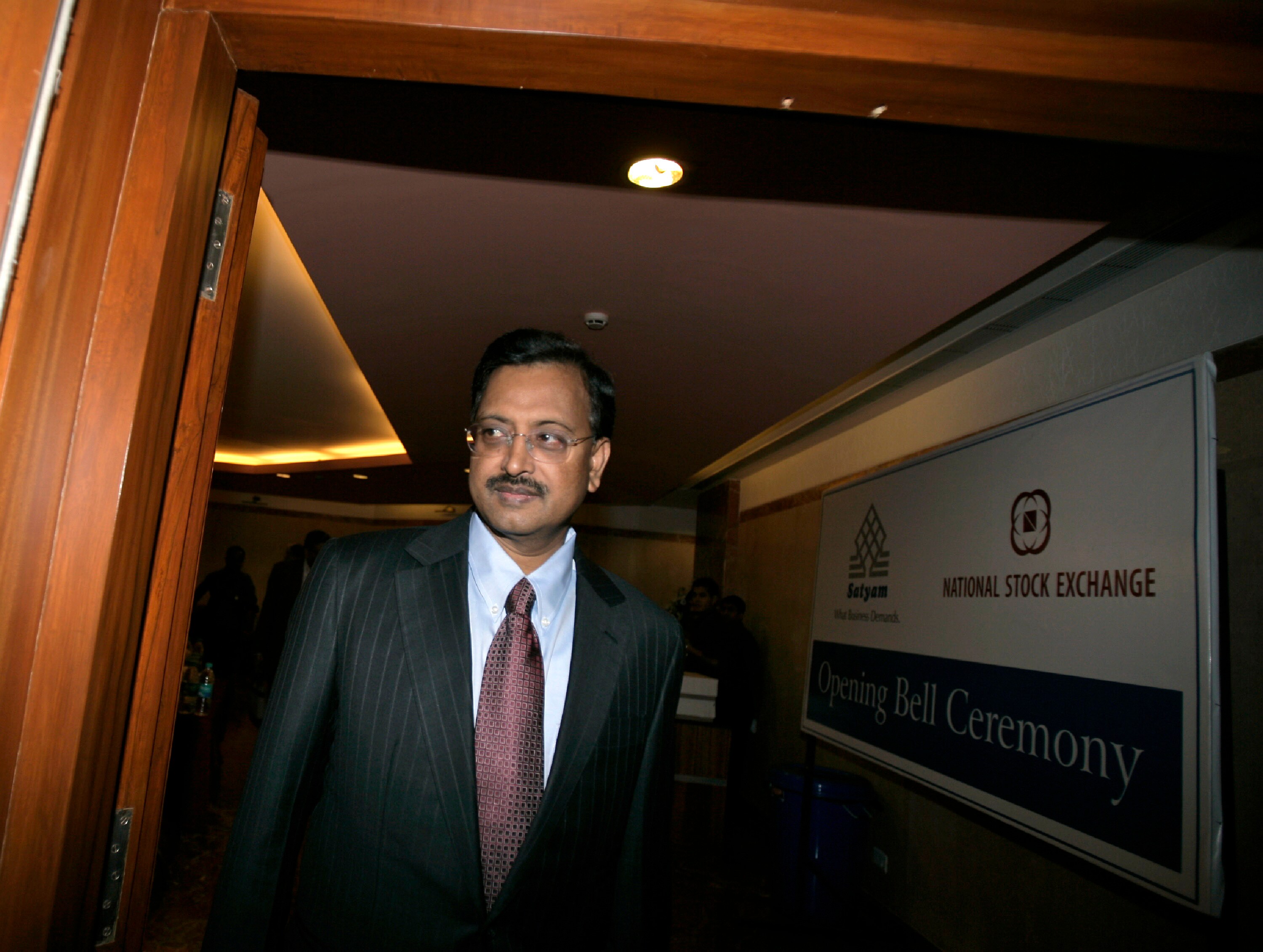
Once again, all hell broke loose after this 'second fax'. The Satyam stock tanked 78 percent and Indian markets fell over 7 percent before the stock was swiftly removed from the Sensex. Later that evening (India time), the New York Stock Exchange halted trading in Satyam. Broking firm CLSA called it ‘India's Enron, an accounting fraud beyond imagination (and) an embarrassing and shocking episode in Indian corporate governance'.
On the third day, India's Company Law Board used its exigent powers to sack the entire board of Satyam Computer Services; but unlike in the past, the government did not nationalise the company or take direct charge. ‘The current board has failed to do what they are supposed to do. The credibility of India's IT sector should not be allowed to suffer,' saying this, the Manmohan Singh government appointed a couple of private sector professionals with unimpeachable integrity and global credibility.
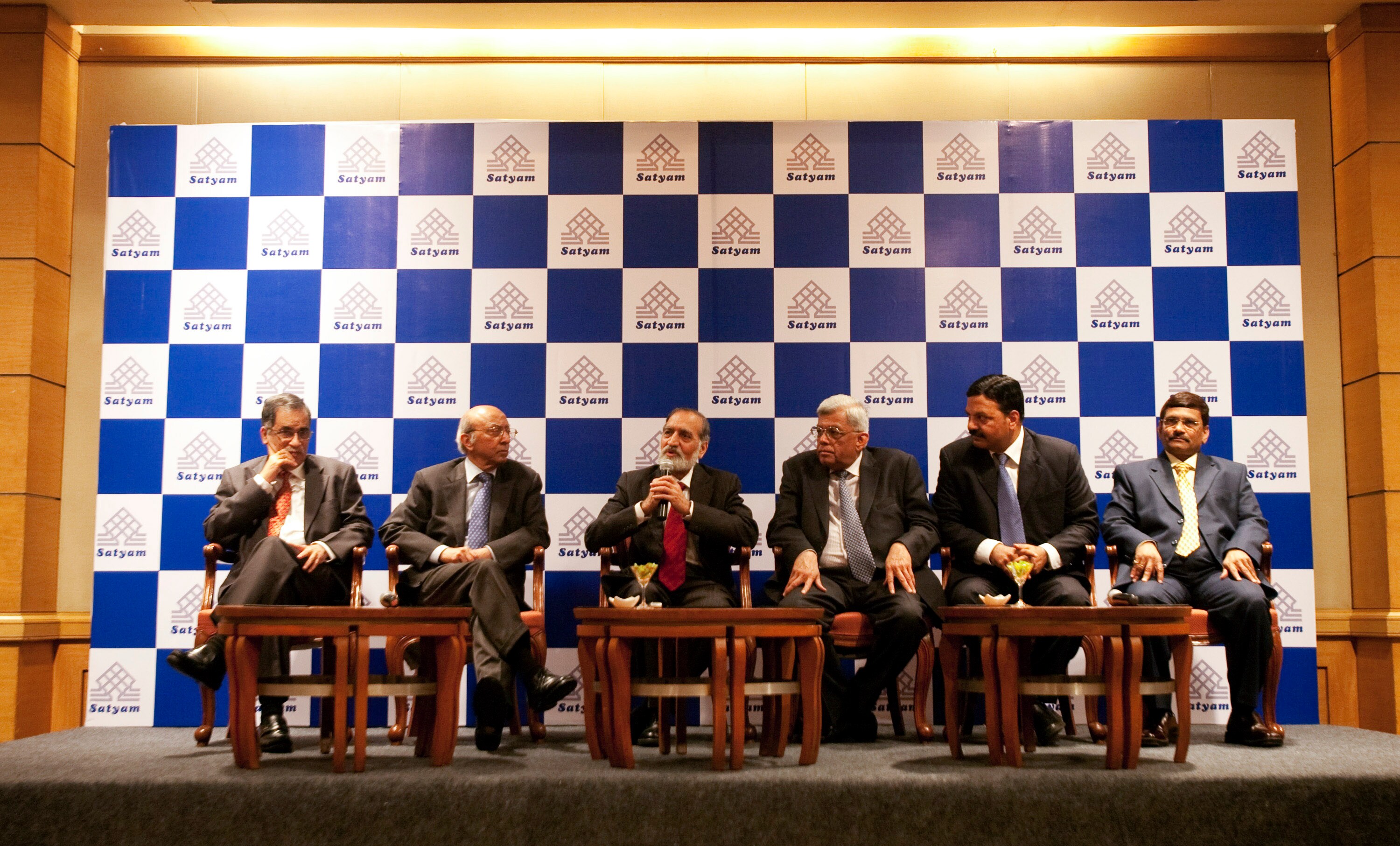
India's takeover rules were quite stiff: there were minimum equity pricing rules for new buyers. Shares could only be priced at a six-month average of previously quoted rates in large stock exchanges. But Satyam's shares had fallen from a high of Rs 544 to Rs 12, so the average six-month price was working out to nearly five times the current scandal-hit market price of the company. It was simply impossible to sell Satyam under those rigid pricing guidelines. To everybody's surprise, SEBI took less than five weeks to notify new, flexible rules to handle abnormal situations.
On April 13, 2009, just three months after that fateful January 7, Satyam Computer Services was sold to a joint venture of British Telecom and India's Mahindra Group at Rs 58 per share. The Satyam stock more than doubled after it was re-christened Mahindra Satyam.
The government reinforced its critical learning after UTI – do not fiddle when Rome is burning.
People Who Forget History Are Condemned to Repeat It
I am again hearing ominous echoes from Raisina Hill mandarins: “IL&FS is a private entity; the government should not back-stop its defaults; let the bankruptcy system work itself out”. This is sheer folly.
Right or wrong, IL&FS, like UTI in 2001, is seen to be a quasi-sovereign entity, owned and controlled by a clutch of public sector giants, including SBI and LIC. It has already defaulted several times in the last few weeks. It needs to repay Rs 34,000 crore from now until March 31, 2019. The most cash it can hope to raise by hastily selling equity and assets is around Rs 10,000 crore. Its operating cash flow is negative. So it shall continue to default unless emergency action is taken.
Otherwise, the contagion will be devastating. Already the markets have wiped out Rs 10 lakh crore of investors' wealth. The credit economy could gum up completely. Remember, beleaguered public sector banks are staring at a direct exposure of Rs 40,000 crore in term debt given to IL&FS. Provident and pension/insurance funds have an additional Rs 30,000 crore at risk. NBFCs, mutual funds and others could be forced to write off the balance Rs 20,000 crore.
This is not the time to argue nuances around moral hazard. This is the time to hoist the fire hose, and spray calm into the markets.
The government has got a plethora of options. It could create a superior debt/equity instrument for the National Infrastructure and Investment Fund, which could install a brand new management and oversee an orderly rescue, including asset sales over the next few months. Whichever option it chooses, the defaults must stop.
And once order is restored, the regulators can begin the arduous process of systemically reforming—and holding accountable—everybody who messed up in this saga, from the founders, directors, rating agencies, the fragile apparatus of using short-term finance to fund long-gestation infrastructure projects, whatever!
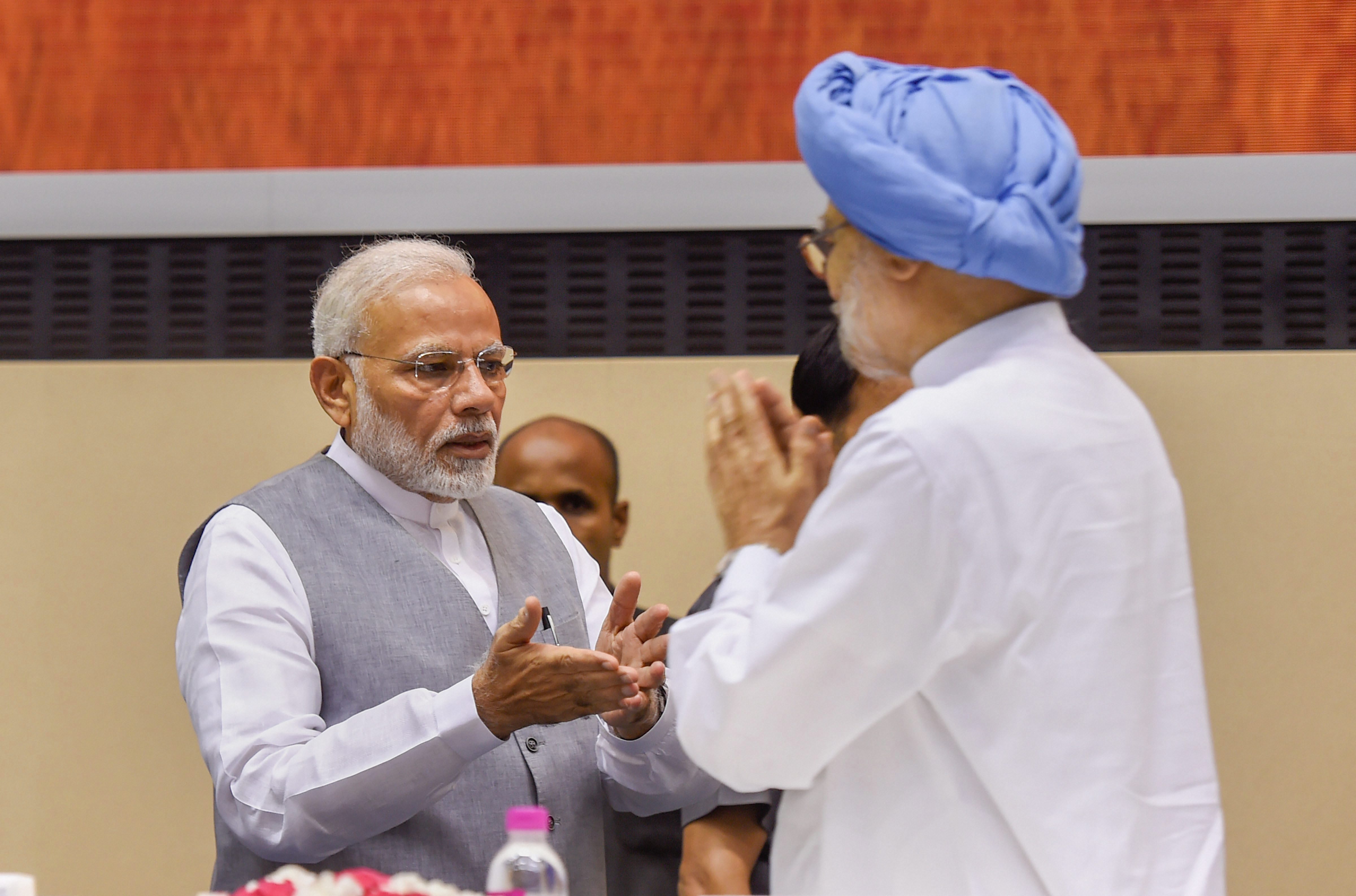
Ironically, Prime Minister Modi needs to take lessons from the swift, decisive actions of two politicians he holds in disdain, former Prime Minister Manmohan Singh and former Finance Minister Jaswant Singh.
Such are the ironies of history.
Raghav Bahl is the co-founder and chairman of Quintillion Media, including BloombergQuint. He is the author of two books, viz ‘Superpower?: The Amazing Race Between China's Hare and India's Tortoise', and ‘Super Economies: America, India, China & The Future Of The World'.

-
AI Bias In Investing Cannot Be Eliminated, But It Can Be Governed

Framing is a particularly important example as identical financial information presented in terms of gains rather than losses can lead an LLM to reach a different assessment.
-
Joining The Dots | Dark Skies, Steady Diya: Why Hope Holds This Diwali
With war, a weak rupee and foreign outflows weighing on sentiment, policymakers at the NDTV World Summit and market veterans at NDTV Profit Ignite: Diwali Edition offered the same advice: stay invested and filter out the noise.
-
The Curious Case of Equitas Small Finance Bank And A CEO Who Quit For Stock
PN Vasudevan believes persistent investor concerns over a perceived conflict of interest had become a governance overhang on Equitas Small Finance Bank's stock, even as the lender improved profitability and asset quality.
-
Talking Points This Week: AI Cash Burn, A Tiger Comeback And An India That Still Finds Its Own Path
India is not immune to higher oil or tighter global liquidity, yet its earnings base is broader, its domestic policy levers are still available.
-
Foreign Investors Own Half Of HDFC Bank and ICICI Bank. An LTCG Cut Could Matter Most Here
Foreign portfolio investors have US$115 billion parked in HDFC Bank, ICICI Bank. If the government cuts long-term capital gains tax, Jefferies says returning foreign money could land here first.
-
'Never Seen This Level Of Negativity': Sandeep Tandon Says The Next Rally May Be Closer Than You Think
Veteran investor Sandeep Tandon says foreign selling is easing, large-caps are due a comeback and mid-caps are crowded, while he turns positive on gold, power and pharma this Diwali.
-
Indians Stay With Family, Not In Hotels | The Reason Why
India still lacks enough clean, reliable and affordable hotels for budget-conscious travellers.
-
The Economic Imperative: Analysing The Material Driving Force Behind India-Canada Strategic Reset
This economic complementarity is further reinforced by deep institutional investment ties and talent mobility, which form the bedrock of the bilateral framework.
-
Medicine Pricing: Where Must Profit Stop?
India must confront excessive margins, hidden incentives and regulatory gaps that threaten the integrity of medicine.
-
Why Amazon And Flipkart Are Struggling To Beat Meesho In India's Smaller Cities
With 274 million users and lowest-cost logistics, Meesho is defending its value commerce crown against giants like Amazon and Flipkart.










