IL&FS Crisis: How Shadow Banking Scare Could Derail India's Growth Story
Manzoor Ahmad lost his job as an electrician and is struggling to make ends meet after a crucial road tunnel project shut down in Srinagar, Jammu and Kashmir.
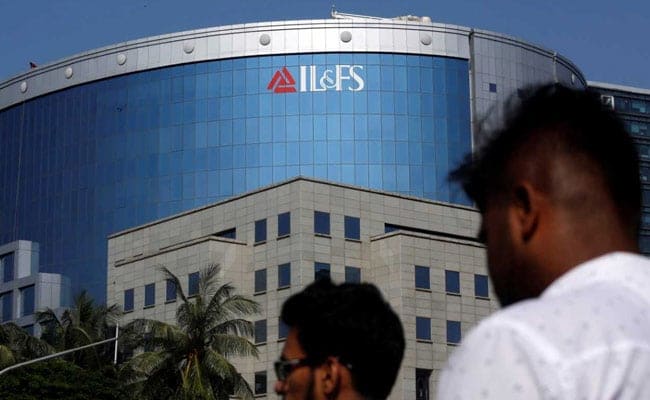
Construction of the Z-Morh tunnel came to a halt two months ago after Infrastructure Leasing & Financial Services (IL&FS), one of the country's top infrastructure funding companies which was helping build the project, stopped paying contractors in the face of a severe cash crunch.
"I have no work since work on the project was stopped in July," said Mr Ahmad, 34, who was earning about Rs 30,000 ($413) a month.
Hundreds of other people working on the project are also out of a job because of non-payments by IL&FS. The company has also defaulted on its debt obligations, roiling the markets and sparking worries of a credit crunch in the shadow financing sector.
The company's defaults have highlighted the risk of a sharp growth slowdown in the world's fastest growing major economy, as lenders pare their exposure to the shadow banking space, or non-banking finance companies (NBFCs) in the country.
NBFCs have played an outsized role in lending growth in the economy in the last two years, and the sector's loan books have grown at more than double the pace of the country's banks, that are currently saddled with about $150 billion of stressed assets.
"Raising money will become increasingly difficult for NBFCs and that will push up the cost of borrowing for these companies and projects will slow down eventually, leading to a broader slowdown in the economy than is currently priced in," said Ashish Vaidya, executive director and head of trading at DBS Bank in Mumbai.
A fall in economic growth would be a blow to Prime Minister Narendra Modi and the ruling Bharatiya Janata Party, which is already under pressure from protests over rising fuel costs, as they prepare for key state elections in late 2018 and a national election due to be held by next May.
Rising rates
The stress is evident in short-term interest rates as the Reserve Bank of India's dollar sales to stem the rupee's fall have sucked up rupee liquidity and raised borrowing costs.
One-year commercial paper has risen by 80 basis points to 9.30 per cent since August and the one-year sovereign treasury bill rate is up 60 bps to 7.73 per cent, while the one-year overnight indexed swap rate is at 7.50 per cent, indicating markets are pricing in a 100 basis points hike in the RBI's key repo rate going forward.
The RBI has raised its policy rate by 50 basis points this year to 6.50 per cent and most analysts expect it to raise rates for a third time next week to stem inflationary pressure due to the sharp fall in the rupee.
There are already signs that financing is suffering, and that could hit capital spending.
State-run Power Finance Co, Rural Electrification Corp and North Eastern Electric Power Corp have all scrapped debt issuance plans this month as interest rates have surged.
Higher rates and more risk-aversion among finance companies - especially when combined with rising fuel prices - could also undermine consumer spending with items such as gold jewellery already being hit in the second quarter.
While the economy posted robust 8.2 per cent growth in the April-June quarter driven by strong consumption demand, it could see growth drop below the RBI's projected 7.2 per cent rate for the fiscal year ending next March as credit conditions tighten, say analysts.
"NBFCs have been a much higher percentage of system credit growth over the last few years, so a slowdown will hurt macro growth and specifically consumption," UBS warned in a note on Tuesday.
In the shadows
The NBFCs' loan books grew 21.2 per cent in the fiscal year ended March 2018. In comparison, bank loans grew 10.3 per cent over the same period.
Such rapid growth for the NBFC sector is fraught with risk, say analysts, especially as many have raised funds via short-term commercial paper that needs to be rolled over.
According to a Credit Suisse note on Monday, 41 per cent of borrowings of NBFCs are maturing in the next six months and "any liquidity pressures will only add to the refinancing risk of these instruments".
Credit Suisse analyst Ashish Gupta said that mutual funds now owned an estimated 60 per cent of the overall NBFC commercial paper issuance, which could exacerbate pains as redemption pressures at funds could cause yields of NBFC debt to spike further.
To contain ripple effects and ensure financial stability, the RBI may have to open a separate lending window for mutual funds through banks to ease any cash pressures, according to a finance ministry official.
While the RBI assured markets on Thursday of providing durable liquidity, traders were concerned over the extent to which the liquidity deficit could go up to unless the central bank conducted frequent open market bond purchases.
Bond dealers expect the liquidity deficit - the extent to which banks need to borrow from the central bank to fund their own lending - to rise to as much as Rs 3 lakh crore by March from Rs 1.5 lakh crore right now, pushing rates higher.
"The RBI should try to cool down interest rates by proactively managing liquidity conditions," said the head of a debt mutual fund who asked not to be identified because of the sensitivity of the comment. "Unless this anomaly is corrected investors will keep panicking and purging NBFC holdings."
($1 = Rs 72.6050)

-
Getting To Work Costs Women More | The Reason Why

It is not just about women paying more than men. It is about women paying much more in cities than in villages.
-
AI Bias In Investing Cannot Be Eliminated, But It Can Be Governed
Framing is a particularly important example as identical financial information presented in terms of gains rather than losses can lead an LLM to reach a different assessment.
-
Joining The Dots | Dark Skies, Steady Diya: Why Hope Holds This Diwali
With war, a weak rupee and foreign outflows weighing on sentiment, policymakers at the NDTV World Summit and market veterans at NDTV Profit Ignite: Diwali Edition offered the same advice: stay invested and filter out the noise.
-
The Curious Case of Equitas Small Finance Bank And A CEO Who Quit For Stock
PN Vasudevan believes persistent investor concerns over a perceived conflict of interest had become a governance overhang on Equitas Small Finance Bank's stock, even as the lender improved profitability and asset quality.
-
Talking Points This Week: AI Cash Burn, A Tiger Comeback And An India That Still Finds Its Own Path
India is not immune to higher oil or tighter global liquidity, yet its earnings base is broader, its domestic policy levers are still available.
-
Foreign Investors Own Half Of HDFC Bank and ICICI Bank. An LTCG Cut Could Matter Most Here
Foreign portfolio investors have US$115 billion parked in HDFC Bank, ICICI Bank. If the government cuts long-term capital gains tax, Jefferies says returning foreign money could land here first.
-
'Never Seen This Level Of Negativity': Sandeep Tandon Says The Next Rally May Be Closer Than You Think
Veteran investor Sandeep Tandon says foreign selling is easing, large-caps are due a comeback and mid-caps are crowded, while he turns positive on gold, power and pharma this Diwali.
-
Indians Stay With Family, Not In Hotels | The Reason Why
India still lacks enough clean, reliable and affordable hotels for budget-conscious travellers.
-
The Economic Imperative: Analysing The Material Driving Force Behind India-Canada Strategic Reset
This economic complementarity is further reinforced by deep institutional investment ties and talent mobility, which form the bedrock of the bilateral framework.
-
Medicine Pricing: Where Must Profit Stop?
India must confront excessive margins, hidden incentives and regulatory gaps that threaten the integrity of medicine.










