IDFC May Have To Shell Out Over Rs 1,000 Crore To Maintain IDFC Bank Shareholding
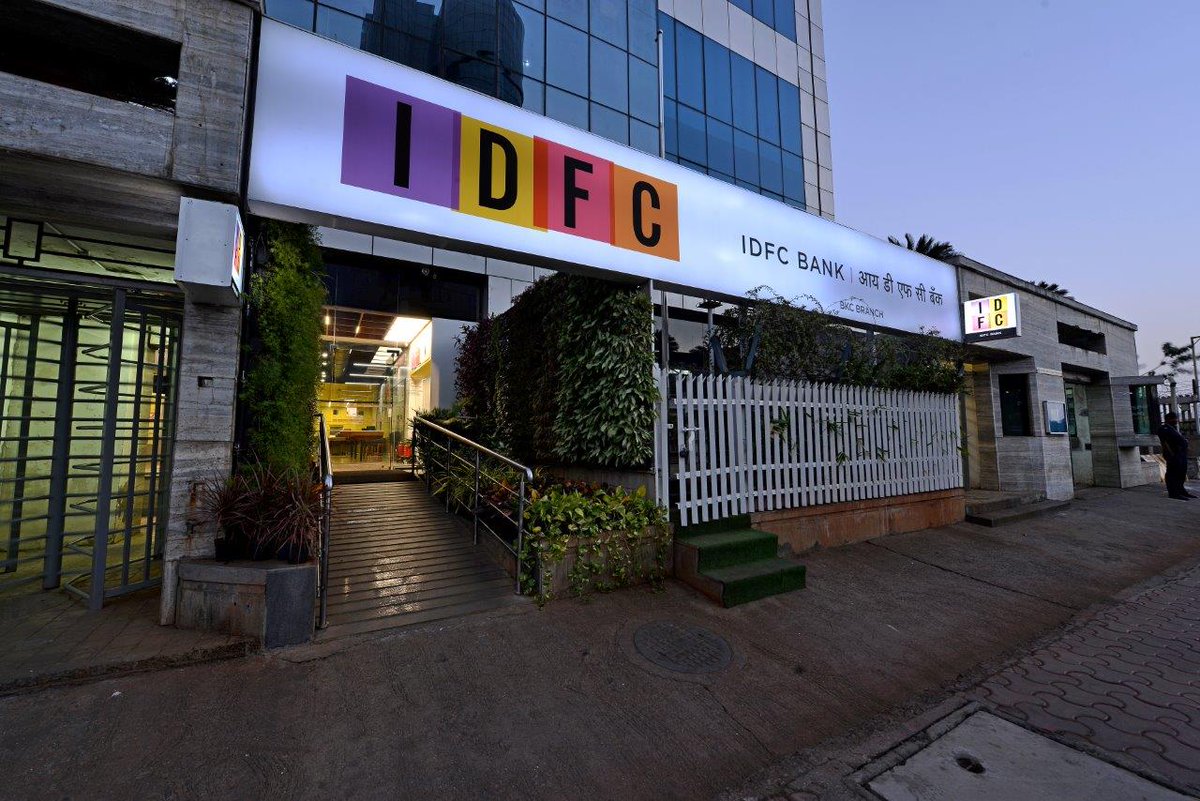
IDFC Ltd, the promoter entity of IDFC Bank, may need to shell out over Rs 1,000 crore to maintain its shareholding in the bank at the minimum level required by the regulator, according to proxy advisory firm IiAS.
Earlier this month, IDFC Bank announced that it will merge with Capital First in a share swap deal. Shareholders of Capital First will get 139 shares in the bank for every 10 shares held, the companies said while announcing the transaction.
The deal will mean that IDFC's shareholding in the bank will fall below 40 percent. However, under the new banking licence guidelines, the promoter entity of a new bank is required to maintain shareholding at a minimum of 40 percent for a period of five years. In the case of IDFC Bank, which was licensed as a scheduled commercial bank in 2015, the regulation means that IDFC will need to retain 40 percent equity till 2020.
Also Read: It's ‘Retail First' For The IDFC Bank-Capital First Combine
“The proposed exchange ratio will result in IDFC's holding in IDFC Bank dropping below 40 percent to 36.2 percent,” said IiAS in a report dated Jan. 17 while adding that the shareholding will have to be topped up to ensure it does not breach the regulatory limit.
IiAS lays out three scenarios:
- At the exchange ratio announced, IDFC will have to spend close to Rs 767 crore to take its shareholding to 40 percent.
- If you factor in ESOPs to Capital First founder V Vaidyanathan, IDFC will have to spend close to Rs 1,078 crore.
- If you factor in all stock options, IDFC will need to spend Rs 1,219 crore.
The ESOPs taken into account by IiAS include exercisable options as on March 31, 2017 and fresh options under ESOS-2017 and CMD stock option scheme-2017.
“Does IDFC have this surplus cash? Is this the best use of borrowed funds? Will the President of India – and other shareholders not prefer to receive this as dividend?,” IiAS asks in its report. The government holds over 16 percent in IDFC Ltd, which was first set up as a development finance institution.
An email sent to IDFC on Tuesday was not answered. IDFC Ltd has a board meeting on Jan. 29 and is currently in its silent period.
The proposed merger with Capital First is IDFC Bank's second attempt at growing inorganically. In July 2017, IDFC Bank had initiated talks with the Shriram Group to execute a complex merger transaction between the two groups. Talks were eventually called off in October as the two sides could not agree on an acceptable swap ratio. Three months later, IDFC Bank announced the deal with Capital First.
While many analysts questioned the rationale of the deal between the IDFC and Shriram Group's, the view on the new deal has been more positive.
“We see this as positive for IDFC Bank as it offers a chance to scale-up its retail lending franchise, with Capital First transitioning into a bank,” said CLSA in a report post the announcement. CLSA had also flagged off the fact that IDFC's shareholding in the bank may need to be raised to 40 percent. The brokerage house had said that the shareholding may fall to about 38 percent.
Motilal Oswal, in its report, has said that the merger would have benefits for shareholders of both companies, though near term regulatory and integration challenges persist. It cited the need for IDFC Ltd to increase its shareholding at 40 percent from the post merger shareholding of close to 38 percent, as one of these challenges.

-
Signature Play: The Classic Cocktail Is Dead. Or Is It?

Classic cocktails are disappearing from India's cocktail menus. But they're still being ordered, taught to bartenders and borrowed from. So, who's really having the last drink?
-
A New Samvat Wishlist: Inclusive Prosperity And Human Development
India has strengthened its economic foundations through infrastructure, digital access and enterprise. Its next growth chapter must deepen productivity, create better livelihoods and widen participation in prosperity.
-
Love, Sex Aur Dhokha: The Audacious Plot To Spy On Jensen Huang
A Taipei dinner, a Singapore chip buyer and a suspected Chinese asset: inside the alleged spy operation that got close to NVIDIA's Jensen Huang.
-
Ten Things I Learnt This Samvat
Patience can be a trap. Cheap stocks can stay cheap. Leverage can wipe you out. What did Samvat 2082 teach us? Niraj Shah writes on 10 lessons from the year gone by.
-
Talking Points This Week: Tech Nerves, FII Buying, And A Faraway Banking Shock
The global markets are not shining this Diwali. The exception in the large markets is, India.
-
Midterm Rally Lasted A Day. The Hard Reality Of A Divided US May Last Two Years | Opinion
Between a contested AI boom, a debt ceiling that arrives in 2027 and a president with every incentive to act alone, the next two years may prove more volatile than the first day's rally suggests.
-
Blue Wave Will Derail the AI Trade but Won't Dismantle the AI Era | Unhedged Position
The Democrats' sweep of the US Congress will see politics collide with economic forces both over the long and short term.
-
It's Time To Take The GST Council's Bet On Trust Global
Payment records can prove India's services exports, and clear, proportionate rules can bring foreign digital sellers into the tax net.
-
Opinion | India at 38: From Innovation Overperformer to Innovation Powerhouse
India now has 453 VC-backed deep science startups, 18 of them late-stage, after 117 percent growth since 2020. Laurus Labs, at USD 9.3 billion, is the most valuable deep science company in any middle-income economy outside China.









