Carl Icahn’s Wealth Falls $2.7 Billion As Dividend Cut Batters Shares
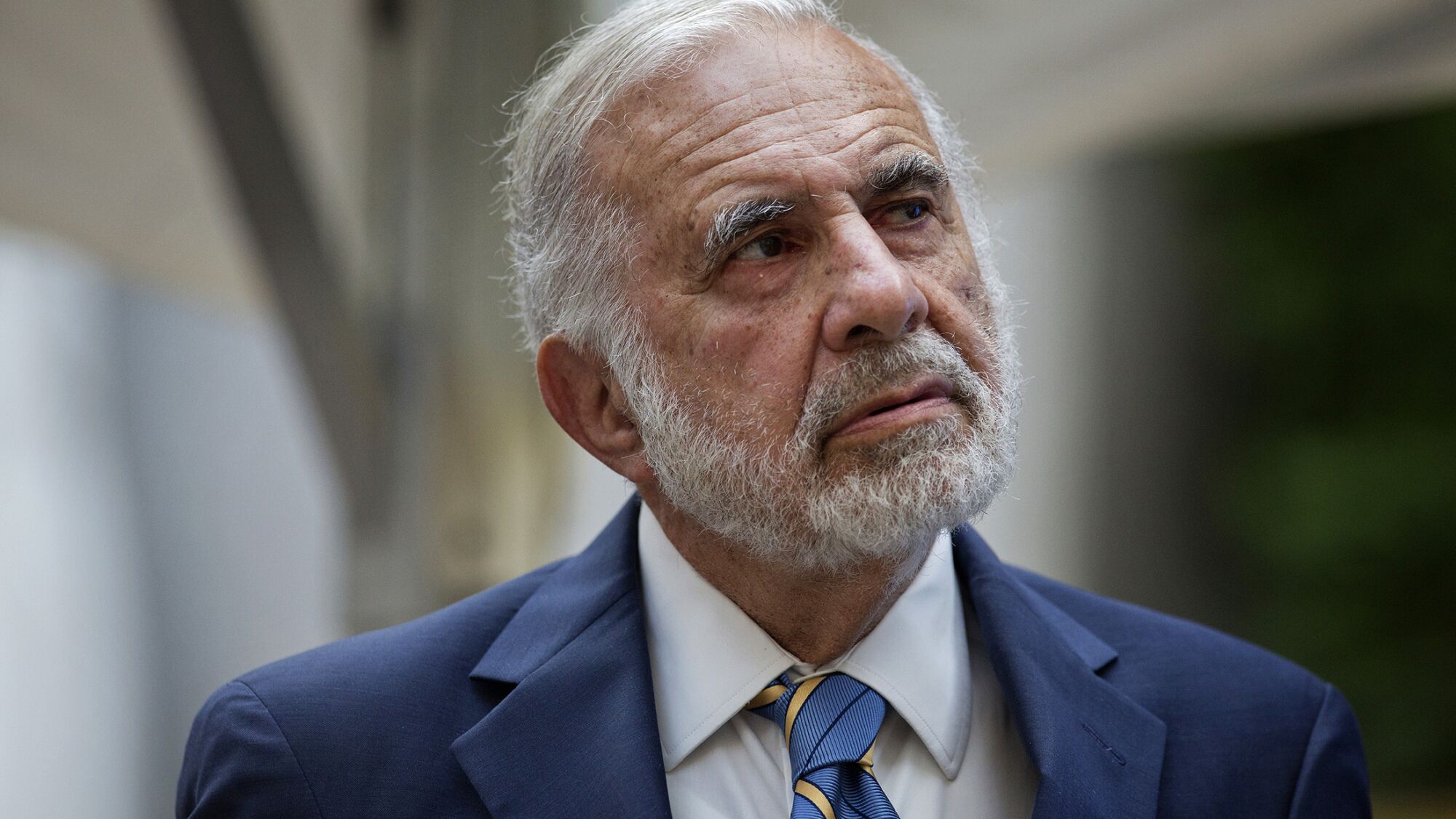
(Bloomberg) -- Carl Icahn's fortune fell $2.7 billion Friday after the activist investor made corporate changes in tacit response to a short seller's scathing report published three months ago.
Icahn's net worth dropped to $7.8 billion, the lowest since the Bloomberg Billionaires Index began tracking it 11 years ago, and less than a third of what it was in April.
Icahn Enterprises LP, the billionaire's main investment vehicle, plunged 26% to $24.20 at 11:43 a.m. in New York after the company announced it was slashing its dividend in half to $1 per share.
The dividend was a key target of short seller Hindenburg Research's allegations in May, which included claims the company was overvalued and that Icahn's practice of leveraging his shares left it exposed in a downturn.
While Icahn Enterprises' $2 dividend was appealing to retail investors, Hindenburg claimed the main reason the company could afford the hefty payout was because Icahn, its biggest shareholder by far, took his payment in the form of new shares. Hindenburg alleged that was the only way to make the dividend possible since Icahn Enterprises was consistently operating with negative cash flows.
Read More: Carl Icahn Is $15 Billion Poorer After Hunter Becomes the Hunted
Icahn, 87, partially blamed Hindenburg for his company's lackluster second-quarter results, which saw the company more than double its year-over-year quarterly net loss to $269 million. He referred to the short-seller's report in a letter to investors as “misleading and self-serving.”
Icahn's net worth has fallen by more than $17 billion since Hindenburg's report was published.
Still, his fortune is somewhat less vulnerable to a selloff than it was a few months ago when shares of Icahn Enterprises that he pledged as collateral had a margin requirement tied to the company's market value. Last month Icahn amended his loan agreements so that the pledged shares are tied to the company's book value, which is a less volatile measure.
--With assistance from Tom Maloney.
More stories like this are available on bloomberg.com
©2023 Bloomberg L.P.

-
Signature Play: The Classic Cocktail Is Dead. Or Is It?

Classic cocktails are disappearing from India's cocktail menus. But they're still being ordered, taught to bartenders and borrowed from. So, who's really having the last drink?
-
A New Samvat Wishlist: Inclusive Prosperity And Human Development
India has strengthened its economic foundations through infrastructure, digital access and enterprise. Its next growth chapter must deepen productivity, create better livelihoods and widen participation in prosperity.
-
Love, Sex Aur Dhokha: The Audacious Plot To Spy On Jensen Huang
A Taipei dinner, a Singapore chip buyer and a suspected Chinese asset: inside the alleged spy operation that got close to NVIDIA's Jensen Huang.
-
Ten Things I Learnt This Samvat
Patience can be a trap. Cheap stocks can stay cheap. Leverage can wipe you out. What did Samvat 2082 teach us? Niraj Shah writes on 10 lessons from the year gone by.
-
Talking Points This Week: Tech Nerves, FII Buying, And A Faraway Banking Shock
The global markets are not shining this Diwali. The exception in the large markets is, India.
-
Midterm Rally Lasted A Day. The Hard Reality Of A Divided US May Last Two Years | Opinion
Between a contested AI boom, a debt ceiling that arrives in 2027 and a president with every incentive to act alone, the next two years may prove more volatile than the first day's rally suggests.
-
Blue Wave Will Derail the AI Trade but Won't Dismantle the AI Era | Unhedged Position
The Democrats' sweep of the US Congress will see politics collide with economic forces both over the long and short term.
-
It's Time To Take The GST Council's Bet On Trust Global
Payment records can prove India's services exports, and clear, proportionate rules can bring foreign digital sellers into the tax net.
-
Opinion | India at 38: From Innovation Overperformer to Innovation Powerhouse
India now has 453 VC-backed deep science startups, 18 of them late-stage, after 117 percent growth since 2020. Laurus Labs, at USD 9.3 billion, is the most valuable deep science company in any middle-income economy outside China.









