HUL Is The New Owner Of Horlicks, Boost
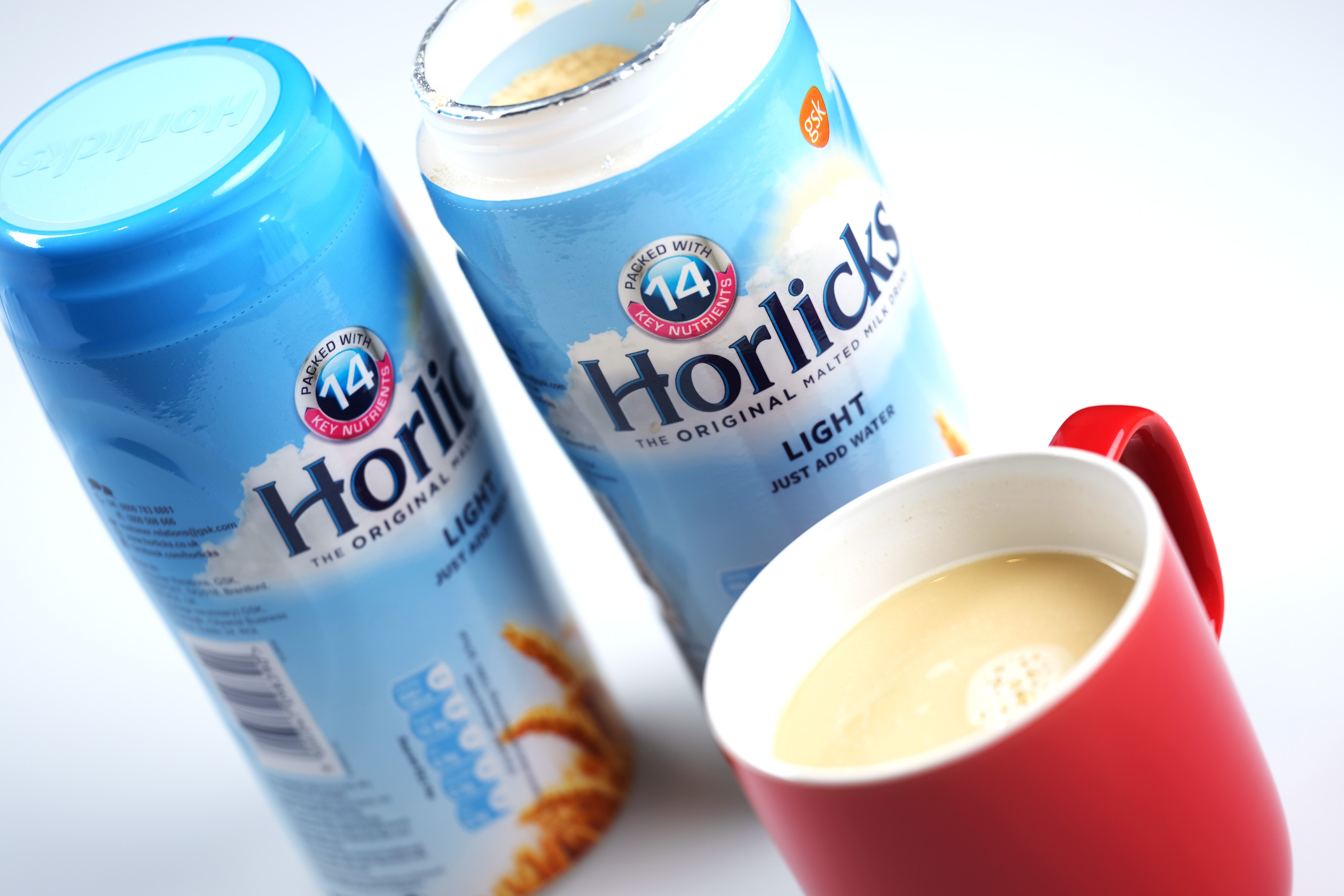
Hindustan Unilever Ltd. has completed the takeover of GlaxoSmithKline Consumer Healthcare Ltd., bringing India's largest selling malted milk drink Horlicks into the portfolio of the nation's biggest consumer goods maker.
The board of directors of HUL approved acquiring the Horlicks brand for India from GlaxoSmithKline Plc for Rs 3,045 crore, exercising the option available in the original agreement between Unilever Plc and GSK, it said in a statement. That means Unilever will no longer pay a royalty of 1.8 percent to 4.5 percent to GSK as agreed in December 2018 when the two companies announced the merger.
“This will enable HUL to utilise cash on its balance sheet and create value for shareholders,” the statement said. Along with Horlicks in India, it also gets Boost, Maltova and Viva brands.
Horlicks is the leader in India's nutrition drink market pegged by Euromonitor International at $1.33 billion. It competes with Mondelez International's Bournvita. The acquisition will improve HUL's reach through pharmacies. When HUL announced its intent to acquire GSK Consumer Healthcare in December 2018, it said the acquisition would help it increase its distribution by 2.5 to 3 times.
GSK Consumer Healthcare has worked on penetrating the rural market further, where it has pushed sachets in the last one year, Srinivas Phatak, chief financial officer of HUL, told investors on a conference call.
Products like Horlicks and Boost had an urban and rural penetration of 24 percent and 14 percent, respectively, Phatak told investors.
The maker of Lipton tea said in a presentation that was uploaded to its website today that it expects a margin expansion of 800 to 1,000 basis points on its March 2018 financials.
It also expects IT integration to be completed by June 2021.
The transaction gives GlaxoSmithKline approximately 5.7 percent stake in HUL, while Unilever's holding in its Indian unit will fall by 5.3 percent from the existing 67.18 percent. The parent's holding in the merged entity will stand at 61.9 percent with April 17 being the record date for fresh shares to be issued.
“GSK intends to monetise its holding in HUL at such time it considers appropriate, taking into account market conditions,” the London-headquartered company said.
Shareholders will get 4.39 shares of HUL for every one share held in GSK Consumer Healthcare. The deal values the total business of GSK Consumer Healthcare at Rs 31,700 crore.
Since GSK Consumer Healthcare was also into exports, HUL will transfer it to one of its wholly owned subsidiary, Phatak told reporters on a conference call.
The merger is in line with HUL's strategy to build a sustainable and profitable foods and refreshment business in the country by leveraging the megatrend of health and wellness which is under-penetrated, the release said.
“Brands such as Horlicks and Boost are iconic and we are excited to have them in the Hindustan Unilever fold,” Sanjiv Mehta, chairman and managing director of HUL was quoted as saying in the press release. “I am delighted to welcome the 3,500-strong nutrition team to the HUL family.”
As part of the transaction, HUL will distribute these Consumer Healthcare brands, which include market-leading Sensodyne, Crocin, Otrivin and Eno, for GSK in India. GSK will continue to be responsible for demand generation, portfolio strategy, R&D and marketing for these brands.
India remains an important growth market for GSK and the company is committed to investing in both its listed pharmaceuticals business and its OTC and oral healthcare brands in the country, GSK said in a statement.
The statement also said HUL will distribute its consumer healthcare brands Sensodyne, Crocin, Otrivin and Eno for GSK in India, while GSK will be responsible for demand generation, portfolio strategy, research and development and marketing of these brands.

-
Extracting Value From Battery Scrap Could Be Challenging For India | The Reason Why

A discarded lithium-ion battery still contains valuable materials such as lithium, nickel and cobalt. These can be recovered and reused. When such batteries are crushed and shredded, they produce a dark powder called black mass.
-
One El Nino, India Can Handle. Two Could Break The Granary
India's grain stocks can absorb one bad year, but a second El Nino could drain the buffer in two to three years, economists say.
-
India's Troika Of Good Luck | Joining The Dots
As Jensen Huang's exit drags Nvidia down, a cooling AI trade and resilient earnings have revived investor interest in India. A likely RBI rate hike looms.
-
Talking Points This Week: Leadership Shock At Nvidia, Earnings Strength, And The Fog Over Hormuz
The Anthropic IPO pricing and first trading day, Nvidia's upcoming earnings, and any fresh signals from Iran will set the tone for the following week.
-
Signature Play: The Classic Cocktail Is Dead. Or Is It?
Classic cocktails are disappearing from India's cocktail menus. But they're still being ordered, taught to bartenders and borrowed from. So, who's really having the last drink?
-
A New Samvat Wishlist: Inclusive Prosperity And Human Development
India has strengthened its economic foundations through infrastructure, digital access and enterprise. Its next growth chapter must deepen productivity, create better livelihoods and widen participation in prosperity.
-
Love, Sex Aur Dhokha: The Audacious Plot To Spy On Jensen Huang
A Taipei dinner, a Singapore chip buyer and a suspected Chinese asset: inside the alleged spy operation that got close to NVIDIA's Jensen Huang.
-
Ten Things I Learnt This Samvat
Patience can be a trap. Cheap stocks can stay cheap. Leverage can wipe you out. What did Samvat 2082 teach us? Niraj Shah writes on 10 lessons from the year gone by.
-
Talking Points This Week: Tech Nerves, FII Buying, And A Faraway Banking Shock
The global markets are not shining this Diwali. The exception in the large markets is, India.
-
Midterm Rally Lasted A Day. The Hard Reality Of A Divided US May Last Two Years | Opinion
Between a contested AI boom, a debt ceiling that arrives in 2027 and a president with every incentive to act alone, the next two years may prove more volatile than the first day's rally suggests.









