HSBC Flash India Composite PMI Rises To 58.6 In October
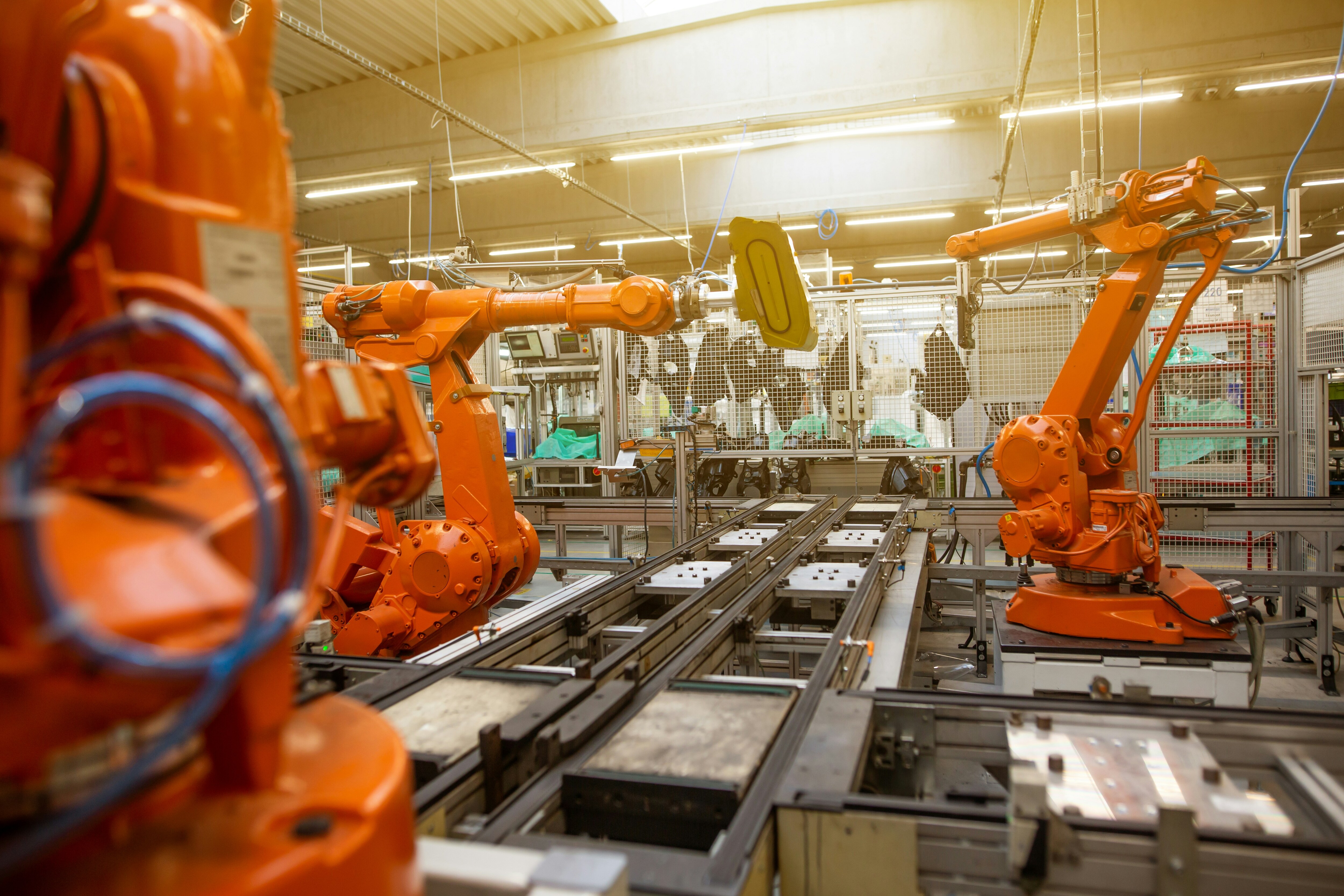
Posting 58.6 in October, the HSBC Flash India Composite Output Index — a seasonally adjusted index that measures the month-on-month change in the combined output of India's manufacturing and service sectors — rose to 58.6 in October, from a final reading of 58.3 in September. The acceleration in growth was supported by quicker increases in factory production and services activity.
The HSBC Flash India Manufacturing PMI recovered from September's eight-month low of 56.5 to 57.4 in October. Registering well above the series trend, the latest figure was consistent with a substantial improvement in the health of the sector.
Indian businesses indicated a sharp increase in new order intakes during October. The expansion, which was mostly linked to positive demand trends, was also stronger than that recorded in September.
Manufacturing also led the upturn in sales despite rates of growth quickening in both segments. Latest data revealed that part of the upturn in total new orders was fuelled by an improvement in international demand for Indian goods and services. Rates of expansion in export sales accelerated at manufacturing firms and their services counterparts.
October data showed a mild pick-up in capacity pressures among Indian companies, as outstanding business volumes rose to the greatest extent in three months. Trends diverged at the sub-sector level, however, as a marginal decline in backlogs at goods producers contrasted with the joint fastest accumulation at service providers since May.
Hiring activity was more pronounced in the service economy. The latest increase in employment was sharp and the quickest in 18-and-a-half years. Jobs still rose at a marked pace in the manufacturing industry too, supporting the best upturn in payroll numbers at the composite level since February 2006. Anecdotal evidence indicated that part- and full-time workers had been taken on, with both permanent and temporary contracts offered.
Input cost inflation at the composite level picked up to the strongest in three months, amid marginally quicker increases at both goods producers and service providers. According to survey participants, chemicals, eggs, meat, packaging, steel and vegetables all rose in price. Yet, the overall rate of cost inflation remained below the survey average.
With demand conditions remaining favourable and cost pressures intensifying, private sector companies in India lifted their own selling prices at the start of the third fiscal quarter. The rate of charge inflation was above its trend, and climbed to a three-month high. Notably, manufacturers posted the sharpest upturn in 11 years.
Trends for business confidence were mixed at the sub-sector level. Manufacturers were at their most upbeat since July, while sentiment somewhat faded at services companies. For the private sector overall, the degree of optimism receded but remained above its long-run average.

-
The Curious Case of Equitas Small Finance Bank And A CEO Who Quit For Stock

PN Vasudevan believes persistent investor concerns over a perceived conflict of interest had become a governance overhang on Equitas Small Finance Bank's stock, even as the lender improved profitability and asset quality.
-
Talking Points This Week: AI Cash Burn, A Tiger Comeback And An India That Still Finds Its Own Path
India is not immune to higher oil or tighter global liquidity, yet its earnings base is broader, its domestic policy levers are still available.
-
Foreign Investors Own Half Of HDFC Bank and ICICI Bank. An LTCG Cut Could Matter Most Here
Foreign portfolio investors have US$115 billion parked in HDFC Bank, ICICI Bank. If the government cuts long-term capital gains tax, Jefferies says returning foreign money could land here first.
-
'Never Seen This Level Of Negativity': Sandeep Tandon Says The Next Rally May Be Closer Than You Think
Veteran investor Sandeep Tandon says foreign selling is easing, large-caps are due a comeback and mid-caps are crowded, while he turns positive on gold, power and pharma this Diwali.
-
Indians Stay With Family, Not In Hotels | The Reason Why
India still lacks enough clean, reliable and affordable hotels for budget-conscious travellers.
-
The Economic Imperative: Analysing The Material Driving Force Behind India-Canada Strategic Reset
This economic complementarity is further reinforced by deep institutional investment ties and talent mobility, which form the bedrock of the bilateral framework.
-
Medicine Pricing: Where Must Profit Stop?
India must confront excessive margins, hidden incentives and regulatory gaps that threaten the integrity of medicine.
-
Why Amazon And Flipkart Are Struggling To Beat Meesho In India's Smaller Cities
With 274 million users and lowest-cost logistics, Meesho is defending its value commerce crown against giants like Amazon and Flipkart.
-
High US Salaries, No Green Card Certainty: The Financial Calculation Facing Indian H-1B Families
The suspension of PERM processing at eight technology employers does not cancel existing H-1B visas. What it does is force a question many Indian families have been avoiding: is the US salary worth tying your career and family plans to one employer?
-
Swiggy vs Eternal: Food Delivery's Two Rivals Are No Longer In The Same Race
Eternal is building a private AI assistant, dark.ai. Swiggy is still working out how to make Instamart pay, with an operating loss of Rs 895 crore in the July-September quarter while Blinkit stayed profitable.










