How Ultratech Cement Bought Russian Coal Using Chinese Yuan Through HDFC Bank: Report
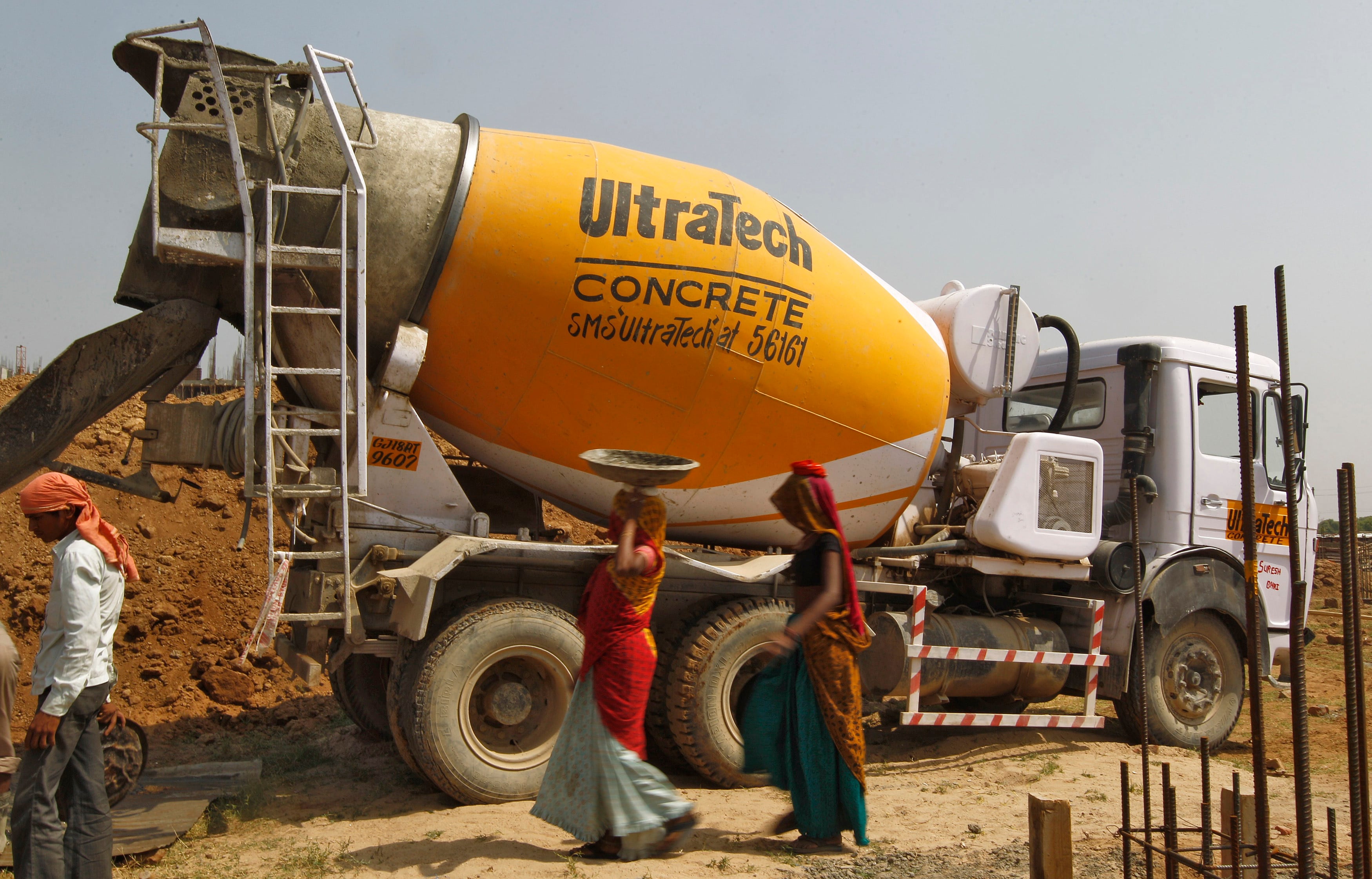
An Indian cement maker's recent purchase of Russian coal using yuan involved India's biggest private lender, HDFC Bank, according to an invoice seen by Reuters and a source, as more details emerge of the kind of trade that could blunt Western sanctions against Moscow.
There is no suggestion that the purchase, the particulars of which have not previously been reported, in any way breaches sanctions imposed on Russia in the wake of its invasion of Ukraine.
But the document shows one way in which Russia could continue to sell commodities abroad without settling in U.S. dollars despite restrictions aimed at freezing it out of financial markets.
According to the invoice dated June 5 and a source familiar with the matter, HDFC Bank backed cement maker Ultratech's purchase of Russian coal from producer and trader SUEK for 172.7 million yuan ($25.74 million).
The letter of credit for the deal was issued by HDFC Bank's Mumbai suburban branch of Andheri East, according to the invoice. The dollar is the currency of choice for global trade in raw materials, but some traders say the yuan could be increasingly used to settle payments for supplies from Russia.
In the invoice, SUEK requests Ultratech remit the 172.7 million yuan to SUEK's account at the Shanghai branch of China Everbright Bank. SUEK lists the Hong Kong branch of international lender HSBC as the correspondent bank.
A correspondent bank acts as a middleman in the transfer of money from one bank to another. Reuters could not determine if a payment had been received by China Everbright or if HSBC or any other bank was involved in a transfer of funds.
HDFC Bank and HSBC declined to comment. Ultratech, SUEK and China Everbright Bank did not respond to requests for comment. It was not clear from the invoice which currencies were used to effect the yuan payment.
The amount listed was quoted in Chinese yuan and Reuters reported last week that Ultratech imported 157,000 tonnes of coal from Switzerland-registered SUEK and agreed to settle the final payment in that currency.
Yuan Trades Still Rare
For India, such payment methods could become more common as it seeks to maintain trade ties with Russia for commodities including oil and coal without the risk of contravening Western sanctions.
India has deep political and security ties with Russia and has refrained from condemning the Ukraine war, which Russia says is a "special military operation".
India's energy imports from Russia have soared recently as traders, unable to sell into many Western markets, have offered steep discounts.
New Delhi defends its purchases of Russian goods, saying they are legal and that a sudden halt would inflate prices further and hurt consumers.
Greater use of the yuan to settle payments could help insulate Moscow from punishment and bolster Beijing's push to further internationalise the yuan and chip away at the dominance of the U.S. dollar in global trade.
It is, however, still rare for an Indian firm to agree to settle a trade with a non-Chinese company in yuan. In the absence of sanctions, overseas payments to Russian commodity and energy companies would typically be made in dollars via SWIFT to Russian accounts.
For Indian trade settlements using the yuan, lenders would potentially send dollars to foreign banks with sufficient yuan reserves, or Chinese banks they have tie-ups with, in exchange for yuan to settle the trade.
The invoice mentioned the SWIFT transaction IDs of both HSBC's Hong Kong branch and China Everbright's Shanghai branch. Reuters could not confirm whether any payment was made using the SWIFT platform.
SWIFT is a secure messaging system that facilitates rapid cross-border payments, making international trade flow smoothly. Several Russian banks have been cut off from the system in recent months.
"As a matter of policy, SWIFT does not comment on flows between institutions," a spokesman said.
India's bilateral trade with China, for which companies largely pay in dollars, has flourished even after a deadly military border clash between the two in 2020 that ratcheted up tensions that have still not subsided.
New Delhi has increased scrutiny on Chinese investments and imports, and banned some mobile apps over security concerns.
The Indian government and the central bank were aware of potential payments for Russian cargo in Chinese yuan, sources told Reuters last week. The government and central bank did not comment for this article.
($1 = 6.7096 Chinese yuan renminbi)
(Except for the headline, this story has not been edited by NDTV staff and is published from a syndicated feed.)

-
We May Need Another Tukaram Mundhe To Fight Air Pollution | The Reason Why

Developers may install basic measures such as sprinklers and green nets, resume work, and continue violating rules when this equipment stops working.
-
Extracting Value From Battery Scrap Could Be Challenging For India | The Reason Why
A discarded lithium-ion battery still contains valuable materials such as lithium, nickel and cobalt. These can be recovered and reused. When such batteries are crushed and shredded, they produce a dark powder called black mass.
-
One El Nino, India Can Handle. Two Could Break The Granary
India's grain stocks can absorb one bad year, but a second El Nino could drain the buffer in two to three years, economists say.
-
India's Troika Of Good Luck | Joining The Dots
As Jensen Huang's exit drags Nvidia down, a cooling AI trade and resilient earnings have revived investor interest in India. A likely RBI rate hike looms.
-
Talking Points This Week: Leadership Shock At Nvidia, Earnings Strength, And The Fog Over Hormuz
The Anthropic IPO pricing and first trading day, Nvidia's upcoming earnings, and any fresh signals from Iran will set the tone for the following week.
-
Signature Play: The Classic Cocktail Is Dead. Or Is It?
Classic cocktails are disappearing from India's cocktail menus. But they're still being ordered, taught to bartenders and borrowed from. So, who's really having the last drink?
-
A New Samvat Wishlist: Inclusive Prosperity And Human Development
India has strengthened its economic foundations through infrastructure, digital access and enterprise. Its next growth chapter must deepen productivity, create better livelihoods and widen participation in prosperity.
-
Love, Sex Aur Dhokha: The Audacious Plot To Spy On Jensen Huang
A Taipei dinner, a Singapore chip buyer and a suspected Chinese asset: inside the alleged spy operation that got close to NVIDIA's Jensen Huang.
-
Ten Things I Learnt This Samvat
Patience can be a trap. Cheap stocks can stay cheap. Leverage can wipe you out. What did Samvat 2082 teach us? Niraj Shah writes on 10 lessons from the year gone by.
-
Talking Points This Week: Tech Nerves, FII Buying, And A Faraway Banking Shock
The global markets are not shining this Diwali. The exception in the large markets is, India.









