How Much Should A Central Banker Communicate?
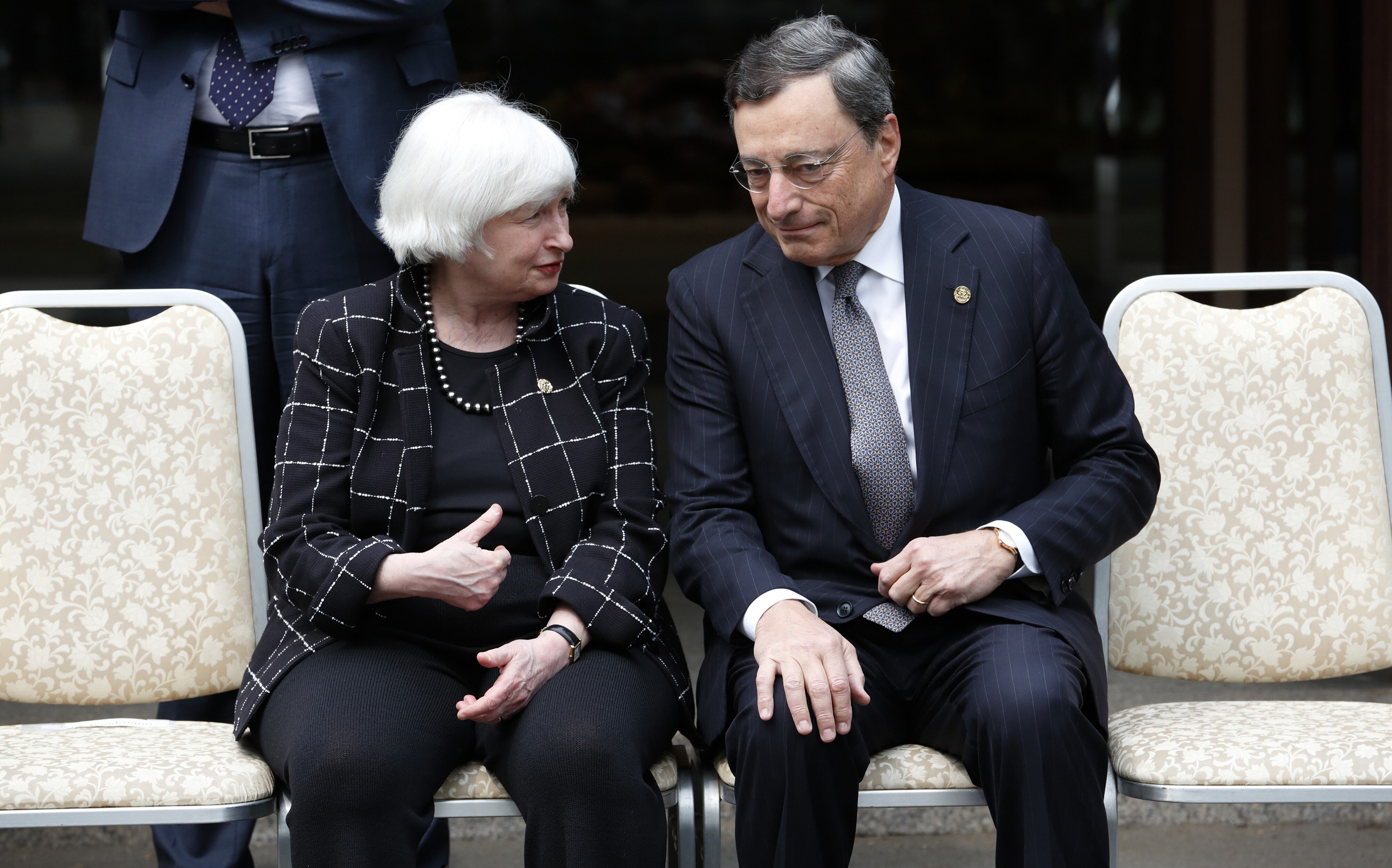
The U.S. Federal Reserve chairperson's direct communication with the media is restricted to just four times a year. That's about it. Why? Because it has a very clearly defined mandate of inflation and employment.
The Federal Reserve's assessment, of how the economy is performing and what the risks are, is released periodically. The chair has to depose before parliamentary committees and there are occasional speeches from Fed members. The Beige Book is another source of information for Fed watchers.
The point I am trying to make is that the Federal Reserve's communication with the market has been along predictable lines. In fact, Fed watchers have recently criticised current Fed members for communicating too much in the last 2-3 years which, according to them, creates confusion.
Examples across other central banks are similar. From the Bank of England to Bank of Japan or the European Central Bank – they all communicate less, mostly on pre-determined dates. The debate about central bankers, the world over, is not about how much they should talk. It is about whether they should follow a predictable path or surprise the market. Communication is vital in both cases.
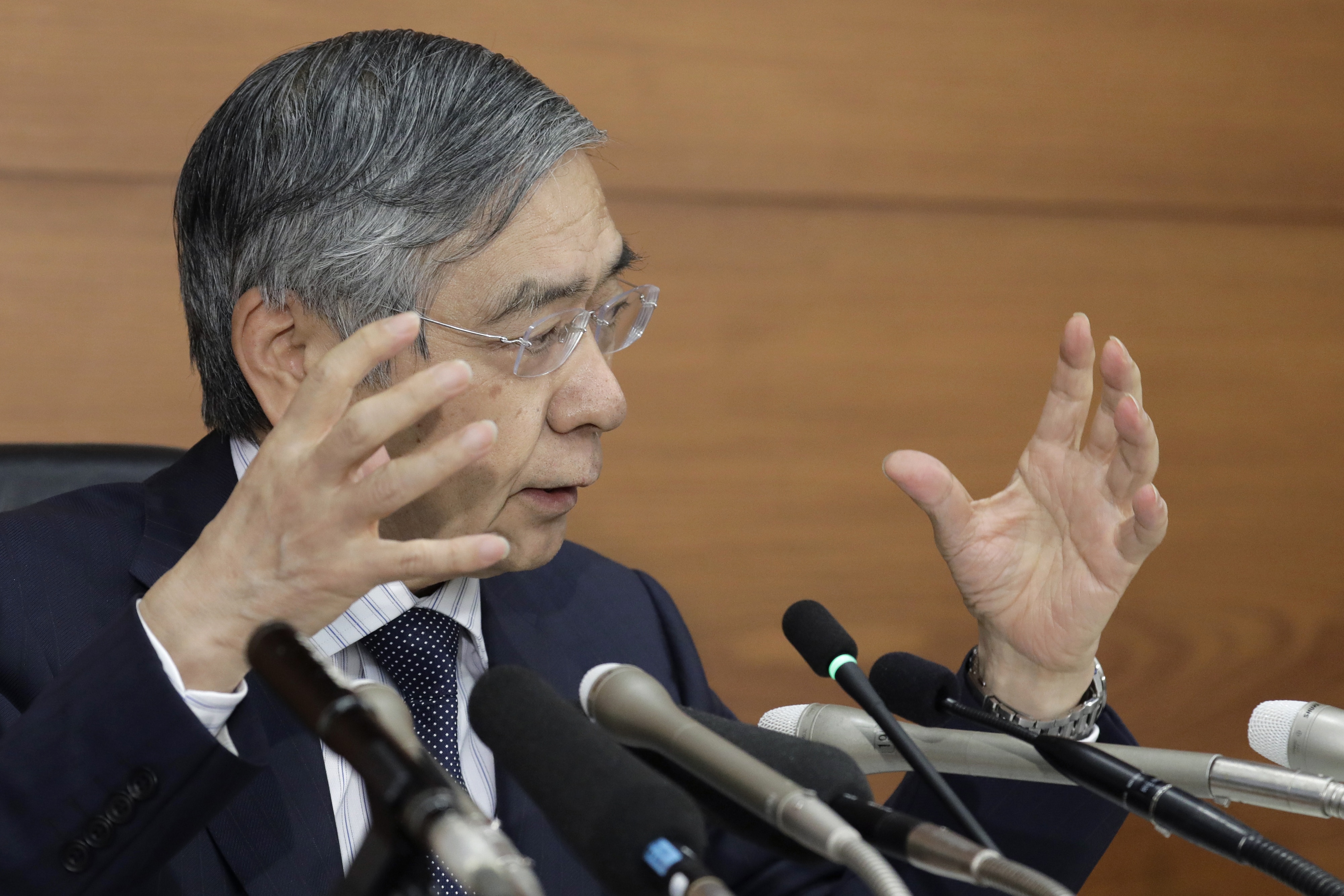
A simple search on the internet tells me that one-on-one media interviews are rare. Even central bankers of emerging economies keep formal communication to a minimum. At the most, you may find a few quick soundbites because the media poses questions on the sidelines of some events.
However, back home when the Reserve Bank of India announces its monetary policy, we see the governor giving interviews to more than half a dozen desi TV channels, half a dozen newspapers and a couple of foreign channels. All interviews have the same content plus some motherhood gyan on the Indian and global economies.
Besides these periodic interviews, RBI governors give speeches at various conferences and memorial lectures and speak at public outreach programmes. Barring a few occasions, where technical issues are being discussed, these speeches contain more or less the same things. Business media goes to these events to get some cues. But all governors are well trained to duck all such issues and questions. So nothing concrete comes out of such meetings. All you get is a repeat of what the RBI has been saying all along between policies.
We have had a series of RBI governors who have been very forthcoming. While Bimal Jalan was very selective with interviews, YV Reddy and D Subbarao never shied away from opening up multiple communication channels. However, Raghuram Rajan took it to a new level altogether. It's not about the number of interviews that he gave.
What Rajan did was much more significant - commenting on all issues under the sun.
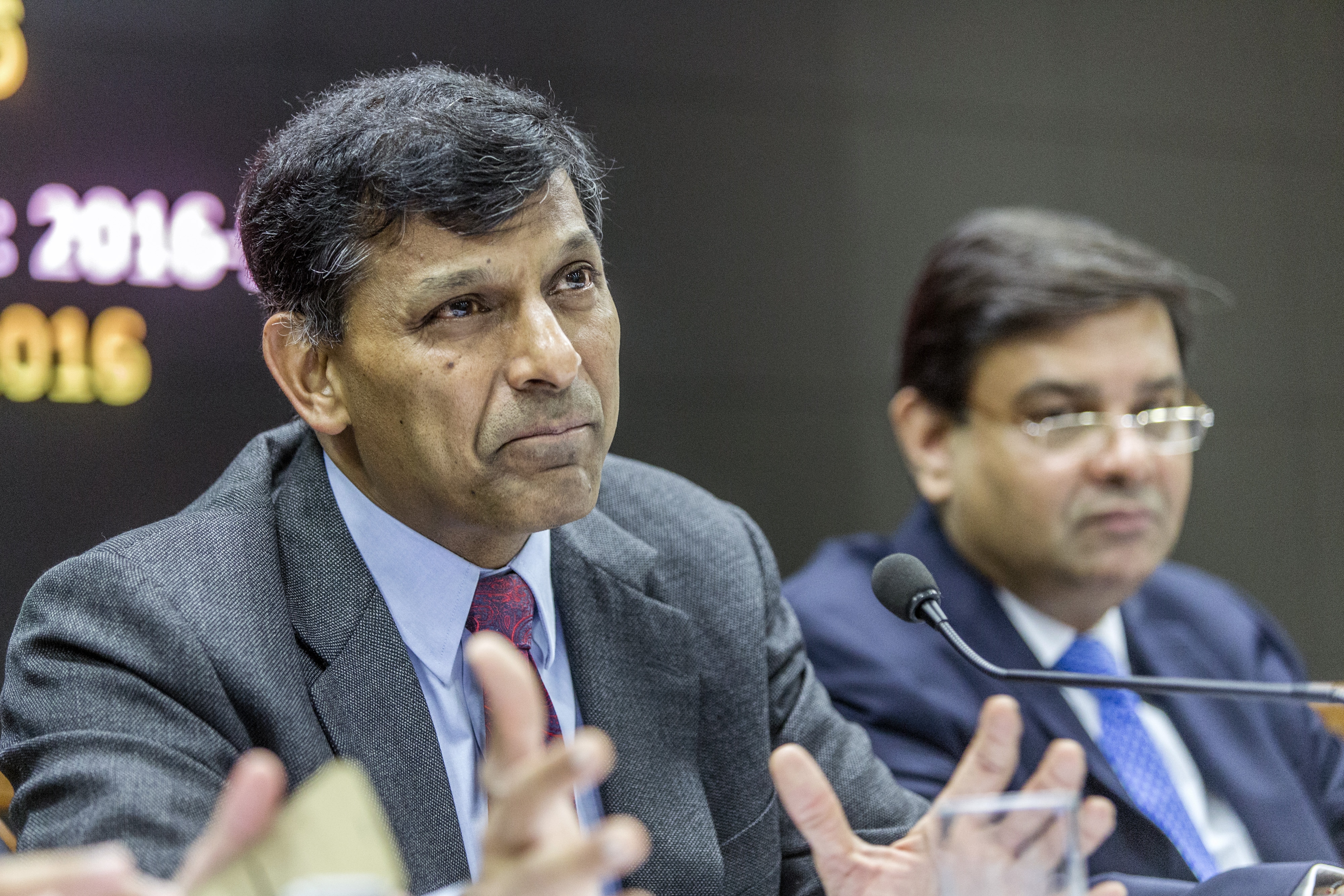
His was a peculiar case. It perhaps did not matter to him that the political ecosystem had undergone multiple changes over the past few years. His communication team perhaps did not realise that public institutions do not have to follow the same template that politicians managing ministries follow.
Rajan found himself in many controversial and avoidable situations because of his candid opinions. He had all the freedom to do so but every public job comes with a certain brief and a set of dos and don'ts. I believe he followed none. There is nothing wrong with that. It's just that he remained in the news, sometimes for the right reasons and sometimes for not quite the right reasons.
Whether it is desirable or not, there is no denying that ours is a politics-led society. Politicians are the most powerful folks and enjoy all the limelight. As government functionaries, they are allowed to push the boundaries of public interaction. Many institutions, from stock exchanges to sports bodies like the BCCI, cannot resist the temptation of emulating that. Their communicators also take cues from their political masters.
Everyone loves to be famous. Lines get fuzzy and we end up with lots of noise and surround sound.
Since the RBI has been one of the most respected public institutions in India, I think it would be pertinent for it to pose this question to itself and rethink its communication strategy.
When perception and projection resulting in lots of noise become the norm, it impacts the thoughts and actions of the entity. And sometimes, it forgets what its mandate is and what it stands for.
The new governor's image is of a low profile person but the paraphernalia – the Union minister of state rank, the status, the power as the regulator of banks – can have its own influence. He can get tempted and that is his choice.
Hundreds of pages have been written offering advice to Governor Urjit Patel on what he should do. So why not one more, just before he announces his first monetary policy on October 4, on how to get the communication strategy right?
I am in no way suggesting that the RBI should talk less or give lesser information to the public. More the better. I just want to initiate a debate on what the central banker's communication strategy should be. What is the most effective way to signal to the market, given the way things have been in recent years? Should personal interviews of the RBI governor be the centre-point of the central bank's media strategy where he says more of the same?
(Sanjay Pugalia is the Editorial Director of Quintillion Media)
Also Read
Seven Things We Can Expect From New RBI Governor Urjit Patel
Kaun Banega Rashtrapati?

-
We May Need Another Tukaram Mundhe To Fight Air Pollution | The Reason Why

Developers may install basic measures such as sprinklers and green nets, resume work, and continue violating rules when this equipment stops working.
-
Extracting Value From Battery Scrap Could Be Challenging For India | The Reason Why
A discarded lithium-ion battery still contains valuable materials such as lithium, nickel and cobalt. These can be recovered and reused. When such batteries are crushed and shredded, they produce a dark powder called black mass.
-
One El Nino, India Can Handle. Two Could Break The Granary
India's grain stocks can absorb one bad year, but a second El Nino could drain the buffer in two to three years, economists say.
-
India's Troika Of Good Luck | Joining The Dots
As Jensen Huang's exit drags Nvidia down, a cooling AI trade and resilient earnings have revived investor interest in India. A likely RBI rate hike looms.
-
Talking Points This Week: Leadership Shock At Nvidia, Earnings Strength, And The Fog Over Hormuz
The Anthropic IPO pricing and first trading day, Nvidia's upcoming earnings, and any fresh signals from Iran will set the tone for the following week.
-
Signature Play: The Classic Cocktail Is Dead. Or Is It?
Classic cocktails are disappearing from India's cocktail menus. But they're still being ordered, taught to bartenders and borrowed from. So, who's really having the last drink?
-
A New Samvat Wishlist: Inclusive Prosperity And Human Development
India has strengthened its economic foundations through infrastructure, digital access and enterprise. Its next growth chapter must deepen productivity, create better livelihoods and widen participation in prosperity.
-
Love, Sex Aur Dhokha: The Audacious Plot To Spy On Jensen Huang
A Taipei dinner, a Singapore chip buyer and a suspected Chinese asset: inside the alleged spy operation that got close to NVIDIA's Jensen Huang.
-
Ten Things I Learnt This Samvat
Patience can be a trap. Cheap stocks can stay cheap. Leverage can wipe you out. What did Samvat 2082 teach us? Niraj Shah writes on 10 lessons from the year gone by.
-
Talking Points This Week: Tech Nerves, FII Buying, And A Faraway Banking Shock
The global markets are not shining this Diwali. The exception in the large markets is, India.









