How Cryptos Are Helping Ukraine Raise Funds In Its Fight Against Russia?
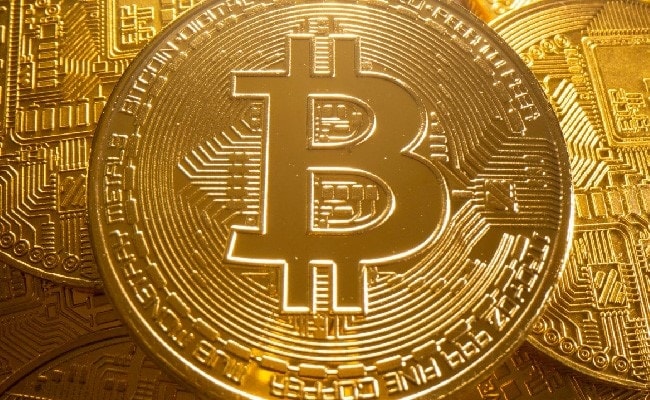
Cryptocurrencies have taken on an unprecedented role in the war in Ukraine, helping the government raise millions of dollars to fund its fight against the Russian invasion.
Why has Ukraine turned to cryptocurrencies, and how is the nascent crypto industry changing its reputation and having an impact amid the clouds of war?
How Much Crypto Has Been Raised?
At the outset of the conflict, Ukrainian officials posted addresses for two crypto wallets on their Twitter account, giving donors a direct and clear address to which to send contributions.
The wallets attracted more than $10.2 million (9.2 million euros) just four days after the start of the invasion.
Since then, more than $100 million worth of crypto has been raised, with the "Crypto Fund for Ukraine" run by Michael Chobanian -– the founder of the Ukrainian crypto exchange Kuna -– accounting for 60 percent of all donations.
"We are still collecting crypto. It is being spent on aid like daily rations and bullet-proof vests and helmets," the 37-year-old Ukrainian told AFP.
Initially, two funds were set up, one for humanitarian purposes and the other to support the Ukrainian military.
However, after the violence escalated across Ukraine, the funds were merged and focused fully on supporting the military, said Chobanian.
He said that the majority of crypto donations came in the form of Bitcoin, Ethereum and the stablecoin Tether –- a coin pegged one-to-one to the dollar.
What Are The Benefits Of Donating In Crypto?
Aid packages sent to Ukraine in fiat money from the United States and the European Union dwarf cryptocurrency donations, but the latter allow individuals to get involved.
US crypto charity, "The Giving Block", told AFP that cryptocurrency donations have the potential to attract "younger donors" who are looking to support various causes.
Another reason crypto donations are of value to Ukraine is because they are less influenced by geopolitical or macroeconomic factors. Chobanian points to the depreciation in the value of the Ukrainian hryvnia as a result of inflation.
An extra advantage of donating in cryptocurrencies is the speed of the transfers. Bank wires may take up to 24 hours to be validated between two countries. However, cryptocurrency transfers typically take less time.
What Are The Drawbacks?
Despite the success of crypto in aiding the Ukrainian war effort, it has not always been a smooth ride.
In the early days of the conflict, the deputy minister for digital transformation wanted to issue Ukraine's own crypto as a symbolic gesture for Kyiv's cause, but the project was eventually cancelled.
To make matters worse, people seized the opportunity to mint and market fake versions of the planned government-issued crypto.
"There was a lack of communication" within the government, said Chobanian, who now works closely with the ministry.
"It was the first day of the war," he recalls.
Moreover, cryptocurrencies have become a staple part of Ukraine's shadow economy –- used as a medium of exchange in online crime, tax avoidance and capital flight.
According to data analytics firm Chainalysis, transactions from Eastern Europe to other regions are particularly high, and the company suggests that "capital flight could account" for some of the crypto movement in the area.
What Are The Consequences?
Despite the risks associated with crypto, Chobanian is confident that it will become a core part of the Ukrainian economy.
"When we win the war, we will rebuild Ukraine using blockchain technology. All of us were helped by crypto," he said.
While Chobanian's aspirations may be very ambitious, they are based on real developments.
On Wednesday, President Volodymyr Zelensky passed a law that would provide a legislative framework for crypto platforms and users to operate within the country.
Caroline Malcolm, head of international public policy and research at Chainalysis, told AFP that the conflict in Ukraine "is forcing governments to develop their understanding of cryptocurrencies and their regulation".
She believes that such discussions can be beneficial to the crypto industry, leading to "proportionate and effective regulatory policies".
As of last week, US President Joe Biden signed an executive order seeking further clarification and guidance on crypto regulation -- showing Washington's willingness to contend with an ever-growing and new asset class.
(This story has not been edited by NDTV staff and is auto-generated from a syndicated feed.)

-
Gold Is Rs 22,000 Cheaper Than A Month Ago. Should You Buy Amid The Wedding Season?

Gold's potential slide to $3,500 could save around Rs 4,700 per 10 grams, but a soft inflation print could just as easily push prices back up. One way to split the risk is to buy in parts, some now and the rest after the Fed's Dec. 9 decision.
-
AI Agents Are Gaining Power. Who Governs Them?
Artificial intelligence agents promise to transform productivity by moving machines from assisting decisions to executing them. But as organisations delegate greater authority to these AI-agents, they must first establish who controls that authority and who remains accountable when things go wrong.
-
Why Swapping Your Old Gold Can Trigger A Rs 5 Lakh Tax Bill, And How You Can Avoid It Legally
Swapping old gold for new is taxed as a sale and a fresh purchase. Getting your own gold remade can cut most of that bill, though it has its own costs.
-
The AI Trade is Done. The Real Opportunity for Investors Starts in 2027 | Unhedged Position
As pureplay AI stocks plunge and circular, capex-led financing unwinds, 2027 is set to be a year of reckoning for AI companies. Yet the bust clears the way for a better opportunity for investors in 2027 -- shifting the spotlight from AI builders to the companies using AI.
-
Leadership As Mission: Why The Age Of AI Demands More Human Leadership
Debjani Ghosh examines how AI is changing leadership, arguing that its success must be measured by its impact on people and the accountability of those guiding its use.
-
We May Need Another Tukaram Mundhe To Fight Air Pollution | The Reason Why
Developers may install basic measures such as sprinklers and green nets, resume work, and continue violating rules when this equipment stops working.
-
Extracting Value From Battery Scrap Could Be Challenging For India | The Reason Why
A discarded lithium-ion battery still contains valuable materials such as lithium, nickel and cobalt. These can be recovered and reused. When such batteries are crushed and shredded, they produce a dark powder called black mass.
-
One El Nino, India Can Handle. Two Could Break The Granary
India's grain stocks can absorb one bad year, but a second El Nino could drain the buffer in two to three years, economists say.
-
India's Troika Of Good Luck | Joining The Dots
As Jensen Huang's exit drags Nvidia down, a cooling AI trade and resilient earnings have revived investor interest in India. A likely RBI rate hike looms.
-
Talking Points This Week: Leadership Shock At Nvidia, Earnings Strength, And The Fog Over Hormuz
The Anthropic IPO pricing and first trading day, Nvidia's upcoming earnings, and any fresh signals from Iran will set the tone for the following week.









