HDFC’s Home Loan Disbursement May Rebound To 85-95% Of Normal By Q4 FY21: Keki Mistry
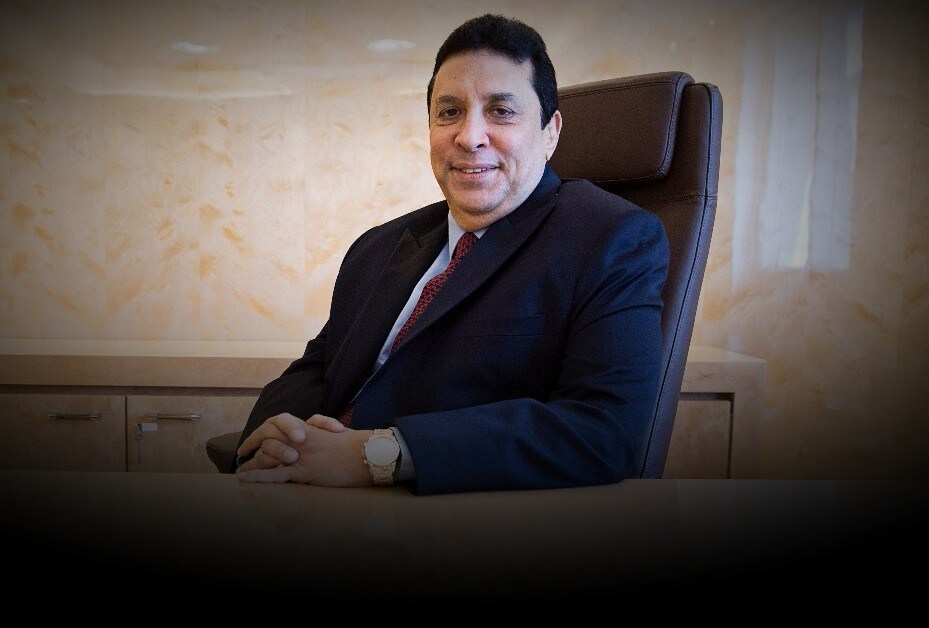
The demand for home loans will rebound in the medium term as Covid-19 pandemic is changing working habits, according to the chief executive officer of India's largest mortgage lender.
That's because, owning a home continues to be an important aspect to the lives of Indians, Keki Mistry, vice chairman and CEO of Housing Development Finance Corporation Ltd., told BloombergQuint in an interview.
As India grapples with one of the world's strictest lockdowns, imposed in the aftermath of the novel coronavirus outbreak, millions of people have been forced to work from home, relying on internet connections and video-calling apps like Zoom. This trend, according to Mistry, could push people to buy larger houses or those with separate study rooms.
The housing financier's profit fell by more than a fifth year-on-year to Rs 2,232.5 crore in the quarter ended March as it set aside more money to account for Covid-19-related disruptions.
Edited excerpts from an interview with BloombergQuint:
What is the company's moratorium strategy?
We're offering the moratorium to every single customer of ours and 79 percent of our borrowers said they do not need it. The number of non-individual borrowers who have opted for the moratorium is higher compared to the individual portfolio.
Given the lockdown, some developers are facing liquidity issues so we have to give them a moratorium. There are strong developers who have said with or without sales they have enough money from their own sources to pay their loans. All the large developers are able to service their loans, but smaller and mid-sized developers have asked for the moratorium.
What is the outlook on fresh lending going forward?
We have not slowed down on our lending and we're looking for fresh lending opportunities. Disbursements obviously have slowed in this environment given that not all our offices are opened like in Mumbai and Madhya Pradesh. But even in those offices which are open, we are working at 33 percent capacity therefore, there will certainly be a slowdown in disbursements during the first quarter.
But our expectation is that the second quarter will be better than the first, the third better than the second and hopefully, by the fourth quarter this year we will be back to 85 to 95 percent of normal levels.
I have no doubt that growth and demand for home-loans in the medium term, because people need a house to stay and what Covid-19 has done is that it's pushing more people to work from home, which could mean bigger houses or separate study rooms and so on. Further, the joint-family could split into smaller units going forward which means more people will be buying their own house.
Do you expect loan defaults to rise significantly this year, given the impact Covid-19 has had on the economy?
Over the last 20 to 25 years, if you monitor non-performing loans on a quarterly basis you find that there are certain choke points of stress in the economy, where NPLs (non-performing loans) tend to rise. But then once the stress goes away, people come back and make payments. So in the short-term NPLs could rise but in the medium-to-long term, I expect it to reduce.
We have continued to tweak the credit underwriting model as normal, given the situation today.
For the non-individual portfolio, it all depends on construction activity and the liquidity levels of developers. Ideally, at a time like this the Reserve Bank of India should give lenders the option of doing a one-time loan restructuring
Is there higher risk of defaults to the affordable housing segment given the likelihood of job losses?
In the affordable segment, our average loan to a customer is around Rs 17.7 lakh and most of these customers are salaried customers and not self-employed.
The risk today from job-losses or income cuts and its impact on NPLs is probably higher than in previous crisis periods, but we always see NPL levels reducing once normalcy is restored. We have to remember than a person is unlikely to default on a housing loan compared to a personal or consumer loan, because it's a real asset.
Further, there are also co-borrowers to a mortgage, so theoretically if one person loses a job or faces a salary cut they generally still do not default.
What is the company strategy on the liability side?
In a situation like this it is always good to be liquid and have lots of cash with you, because we see that many non-banks (NBFCs) are facing issues with raising liquidity. We will continue to look for opportunities to raise money even if it means in the short-term we have to hold that money with a negative carry. We have been slowly building up liquidity levels from around Rs 6,000 crore odd last year to as much as Rs 30,000 crore this year.
We have been sanctioned a Rs 750-crore loan from the National Housing Bank recently.

-
Signature Play: The Classic Cocktail Is Dead. Or Is It?

Classic cocktails are disappearing from India's cocktail menus. But they're still being ordered, taught to bartenders and borrowed from. So, who's really having the last drink?
-
A New Samvat Wishlist: Inclusive Prosperity And Human Development
India has strengthened its economic foundations through infrastructure, digital access and enterprise. Its next growth chapter must deepen productivity, create better livelihoods and widen participation in prosperity.
-
Love, Sex Aur Dhokha: The Audacious Plot To Spy On Jensen Huang
A Taipei dinner, a Singapore chip buyer and a suspected Chinese asset: inside the alleged spy operation that got close to NVIDIA's Jensen Huang.
-
Ten Things I Learnt This Samvat
Patience can be a trap. Cheap stocks can stay cheap. Leverage can wipe you out. What did Samvat 2082 teach us? Niraj Shah writes on 10 lessons from the year gone by.
-
Talking Points This Week: Tech Nerves, FII Buying, And A Faraway Banking Shock
The global markets are not shining this Diwali. The exception in the large markets is, India.
-
Midterm Rally Lasted A Day. The Hard Reality Of A Divided US May Last Two Years | Opinion
Between a contested AI boom, a debt ceiling that arrives in 2027 and a president with every incentive to act alone, the next two years may prove more volatile than the first day's rally suggests.
-
Blue Wave Will Derail the AI Trade but Won't Dismantle the AI Era | Unhedged Position
The Democrats' sweep of the US Congress will see politics collide with economic forces both over the long and short term.
-
It's Time To Take The GST Council's Bet On Trust Global
Payment records can prove India's services exports, and clear, proportionate rules can bring foreign digital sellers into the tax net.
-
Opinion | India at 38: From Innovation Overperformer to Innovation Powerhouse
India now has 453 VC-backed deep science startups, 18 of them late-stage, after 117 percent growth since 2020. Laurus Labs, at USD 9.3 billion, is the most valuable deep science company in any middle-income economy outside China.









