GST: Grocery, Mango Pulp, Holidays And More: Here's What Costs More From July 18
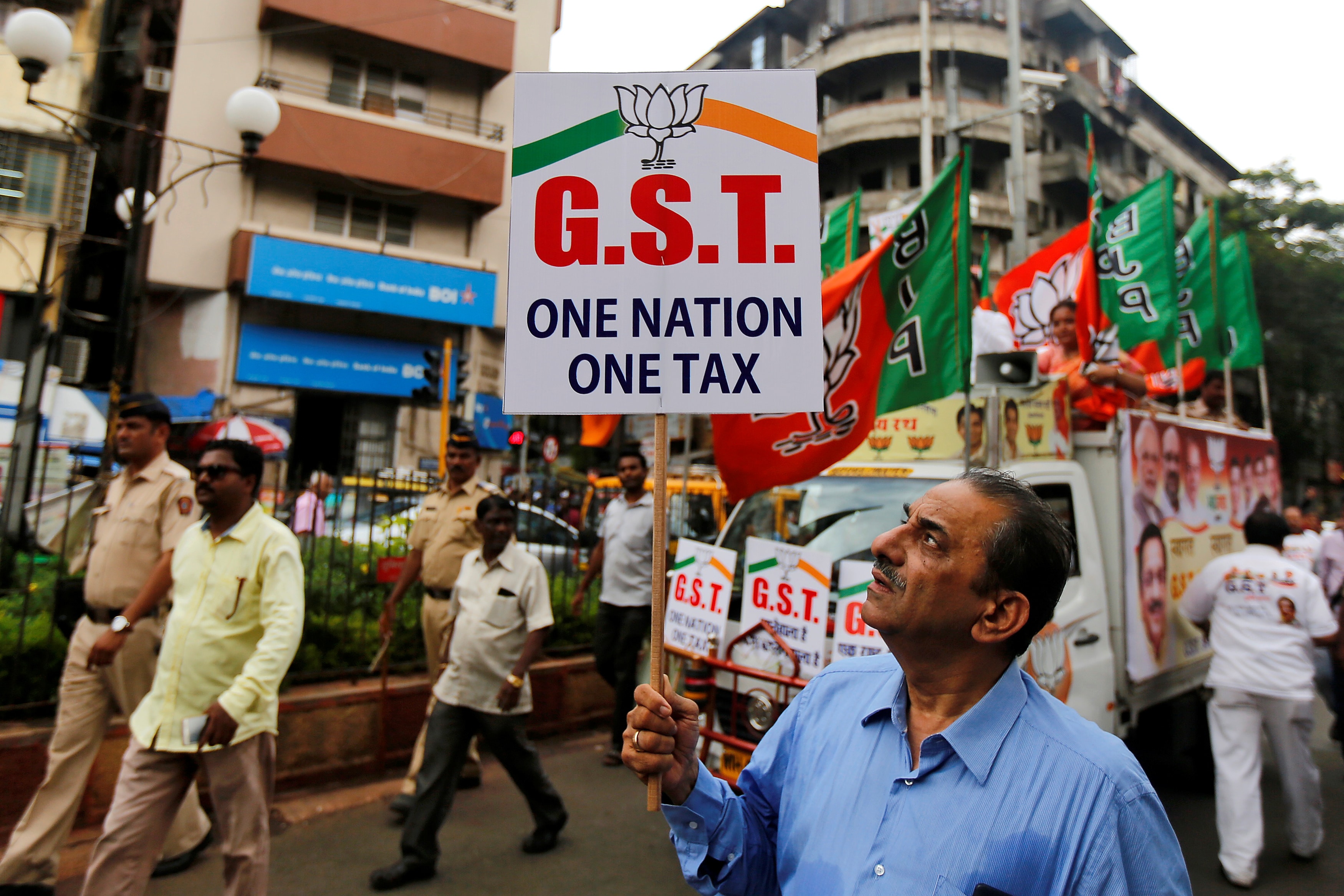
Household items from grocery to stationery, health expenses and travel are set to turn dearer next week as higher goods and services tax rates comes into effect from July 18.
Items which were earlier exempt have been brought under GST. This includes a 5% rate on pre-packed and labelled food items and grains.
A group of ministers on rate rationalisation, headed by Karnataka Chief Minister Basavaraj Bommai, was tasked to remove inverted duty structure, review and rationalise exemptions and decide if rate mergers were necessary as part of their terms of reference when it was constituted.
After the 47th GST Council meet last month, the government decided to raise rates on a number of items and services.
Here are the GST tax changes the come into effect:
Groceries
Pre-packaged dairy products such as lassi, curd, cheese, and buttermilk, and items like wheat flour, other grains, honey, papad, cereals, meat and fish (excluding frozen items), and jaggery will not enjoy exemption from the GST anymore. Earlier, only branded retail items attracted the GST. Now this has been revised to include all pre-packed, pre-labelled items at the lowest slab of 5%.
Tetra packs used as aseptic packaging options for milk, juices, and other edible liquids for retailers will be levied a higher GST of 18%.
The government also clarified that all forms of mango including pulp, but excluding sliced or dried, will attract 12% GST. Raw or fresh mangoes will continue to be exempted.
Kitchen Utensils
The removal of inverted duty where the GST on raw materials is higher than the finished goods has also been reviewed. Kitchen utensils like cutting blades, paper knives, spoons, forks, ladles, skimmers and cake-servers will now attract a 18% GST against 12% earlier.
Stationery
Stationery items like pencil sharpeners, blades, drawing and marking out instruments have also been corrected of inverted duty structure and will attract an 18% GST against 12% earlier.
Items like maps and hydrographic or similar charts of all kinds, including atlases, wall maps, topographical plans, and printed globes, that were earlier exempted will attract a 12% GST.
Electrical appliances
The GST on electrical appliances such as LED lamps, lights and fixture, their metal printed circuits board has been raised from 12% to18%.
Tax rates on solar water heater and systems have been increased from 5% to 12%.
Healthcare
Hospital room rent (excluding ICU) that exceeds Rs 5,000 a day for one patient will be liable to 5% without input tax credit.
But healthcare supplies used by hospitals and orthopedic appliances such as splints and other fracture appliances, artificial parts of the body, appliances that are worn or carried or implanted in the body to compensate for a defect or disability and intraocular lens will attract a lower GST rate of 5% against 12% earlier.
Travel and Recreation
Air travel to and from the northeastern states and Bagdogra was exempted for all classes of flight. Now, that will be restricted to only economy class passengers.
Hotel accommodation up to Rs 1,000 a day will be taxed at 12%. Cable transport through ropeways has seen a reduction from 18% to 5%, without the option for claiming input tax credit.
Training and coaching classes for recreational activities pertaining to arts and culture or sports when offered by an individual, however, will remain tax-exempt.
The GoM on rate rationalisation has been given three more months to deliver its final report since the 47th meeting in June. The group is expected to offer its recommendations on rate mergers and rate slab revisions.

-
Talking Points This Week: Leadership Shock At Nvidia, Earnings Strength, And The Fog Over Hormuz

The Anthropic IPO pricing and first trading day, Nvidia's upcoming earnings, and any fresh signals from Iran will set the tone for the following week.
-
Signature Play: The Classic Cocktail Is Dead. Or Is It?
Classic cocktails are disappearing from India's cocktail menus. But they're still being ordered, taught to bartenders and borrowed from. So, who's really having the last drink?
-
A New Samvat Wishlist: Inclusive Prosperity And Human Development
India has strengthened its economic foundations through infrastructure, digital access and enterprise. Its next growth chapter must deepen productivity, create better livelihoods and widen participation in prosperity.
-
Love, Sex Aur Dhokha: The Audacious Plot To Spy On Jensen Huang
A Taipei dinner, a Singapore chip buyer and a suspected Chinese asset: inside the alleged spy operation that got close to NVIDIA's Jensen Huang.
-
Ten Things I Learnt This Samvat
Patience can be a trap. Cheap stocks can stay cheap. Leverage can wipe you out. What did Samvat 2082 teach us? Niraj Shah writes on 10 lessons from the year gone by.
-
Talking Points This Week: Tech Nerves, FII Buying, And A Faraway Banking Shock
The global markets are not shining this Diwali. The exception in the large markets is, India.
-
Midterm Rally Lasted A Day. The Hard Reality Of A Divided US May Last Two Years | Opinion
Between a contested AI boom, a debt ceiling that arrives in 2027 and a president with every incentive to act alone, the next two years may prove more volatile than the first day's rally suggests.
-
Blue Wave Will Derail the AI Trade but Won't Dismantle the AI Era | Unhedged Position
The Democrats' sweep of the US Congress will see politics collide with economic forces both over the long and short term.
-
It's Time To Take The GST Council's Bet On Trust Global
Payment records can prove India's services exports, and clear, proportionate rules can bring foreign digital sellers into the tax net.
-
Opinion | India at 38: From Innovation Overperformer to Innovation Powerhouse
India now has 453 VC-backed deep science startups, 18 of them late-stage, after 117 percent growth since 2020. Laurus Labs, at USD 9.3 billion, is the most valuable deep science company in any middle-income economy outside China.









