Graded Action Plan Against Air Pollution Enforced Across Delhi-NCR
.jpg?downsize=1010:568 "Graded Action Plan Against Air Pollution Enforced Across Delhi-NCR")
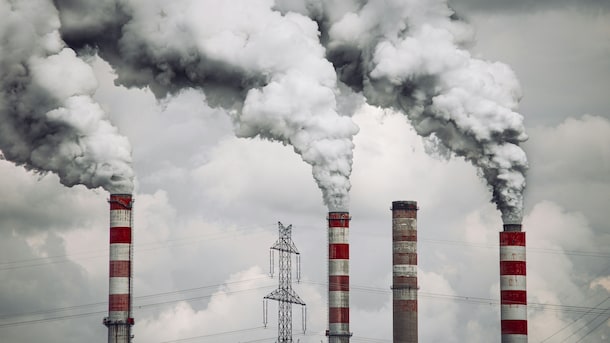
The Badarpur power plant has been shut, diesel generators banned, hundreds of brick kilns ordered to stop production, and if the air quality worsens, Delhiites may have to shell out more as parking fee, possibly four times the current amount.
The Supreme Court-appointed Environment Pollution Prevention and Control Authority, a body empowered to enforce the Graded Response Action Plan under which these steps have been taken, made it clear that if needed it will not hesitate to enforce the ‘odd-even' plan, order cars off roads, and shut schools.
Measures under the GRAP's ‘very poor' and ‘severe' categories came into effect today, and they will remain in force till March 15, the EPCA announced following a review meeting chaired by its chief Bhure Lal, a former IAS officer.
EPCA member Sunita Narain said while the GRAP proposes a hike in parking fee under its ‘very poor' segment, it cannot be immediately implemented as the Delhi government's parking policy has not yet been finalised.
But she indicated that the EPCA will enforce the measure if pollution levels show any rapid spike, even if a formal policy is not in place.
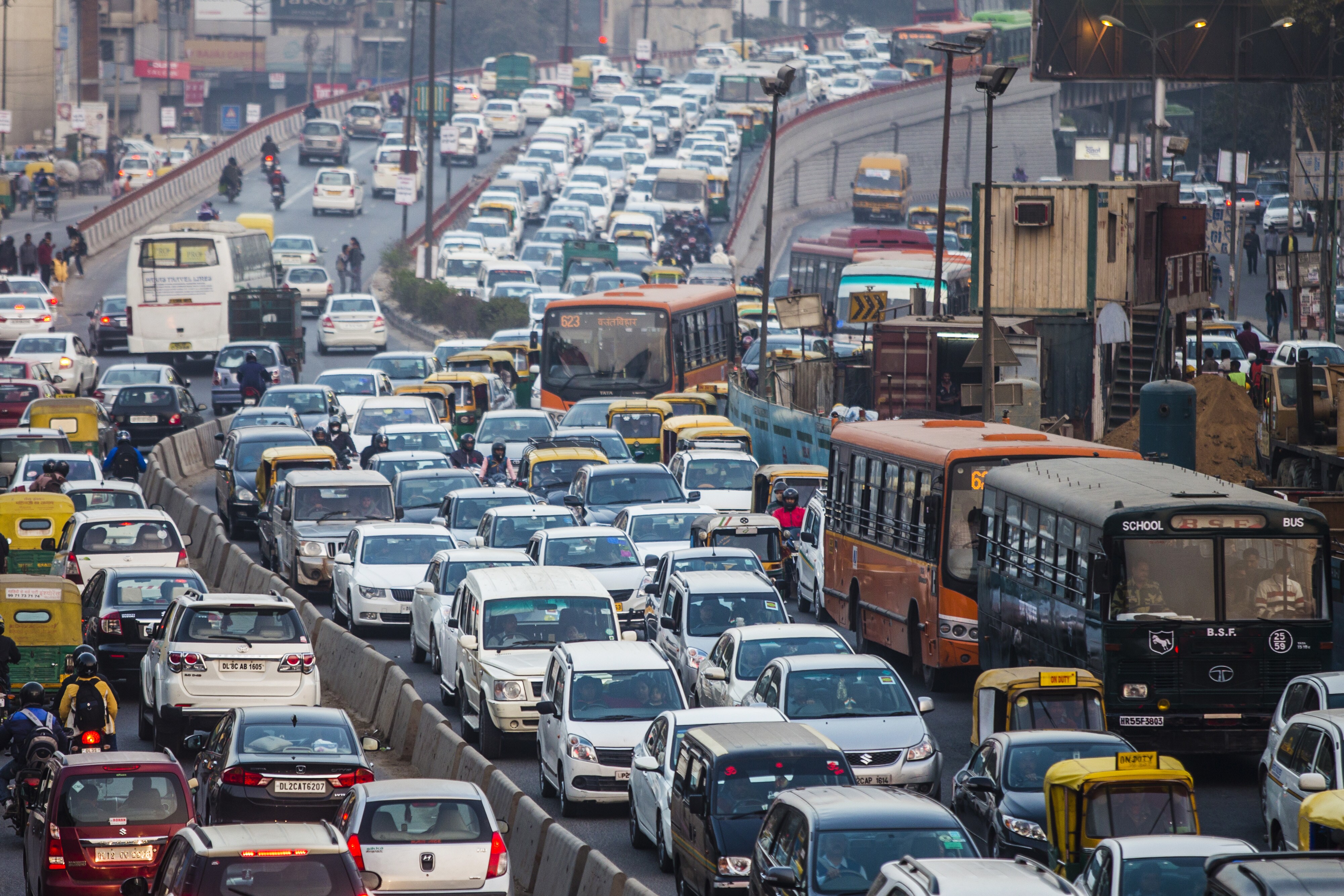
Also Read: Supreme Court Bans Sale Of Firecrackers This Diwali In Delhi-NCR
Only those brick kilns, which have implemented the zigzag technology that helps reduce black carbon emission, have been allowed to function, Bhure Lal said.
Narain said measures such as the ‘odd-even' car rationing policy – under which private vehicles are allowed on roads based on the last digits of license plates – or closure of schools will be taken only as a last resort under the emergency segment of the action plan.
However, we are trying to ensure that we do not reach a health emergency like last year, which may force us to shut the city.Sunita Narain, Member, EPCA
Power officials said the closure of the Badarpur plant, which used to supply around 400 MW electricity to discoms, will not have any impact on Delhi as the city has surplus power.
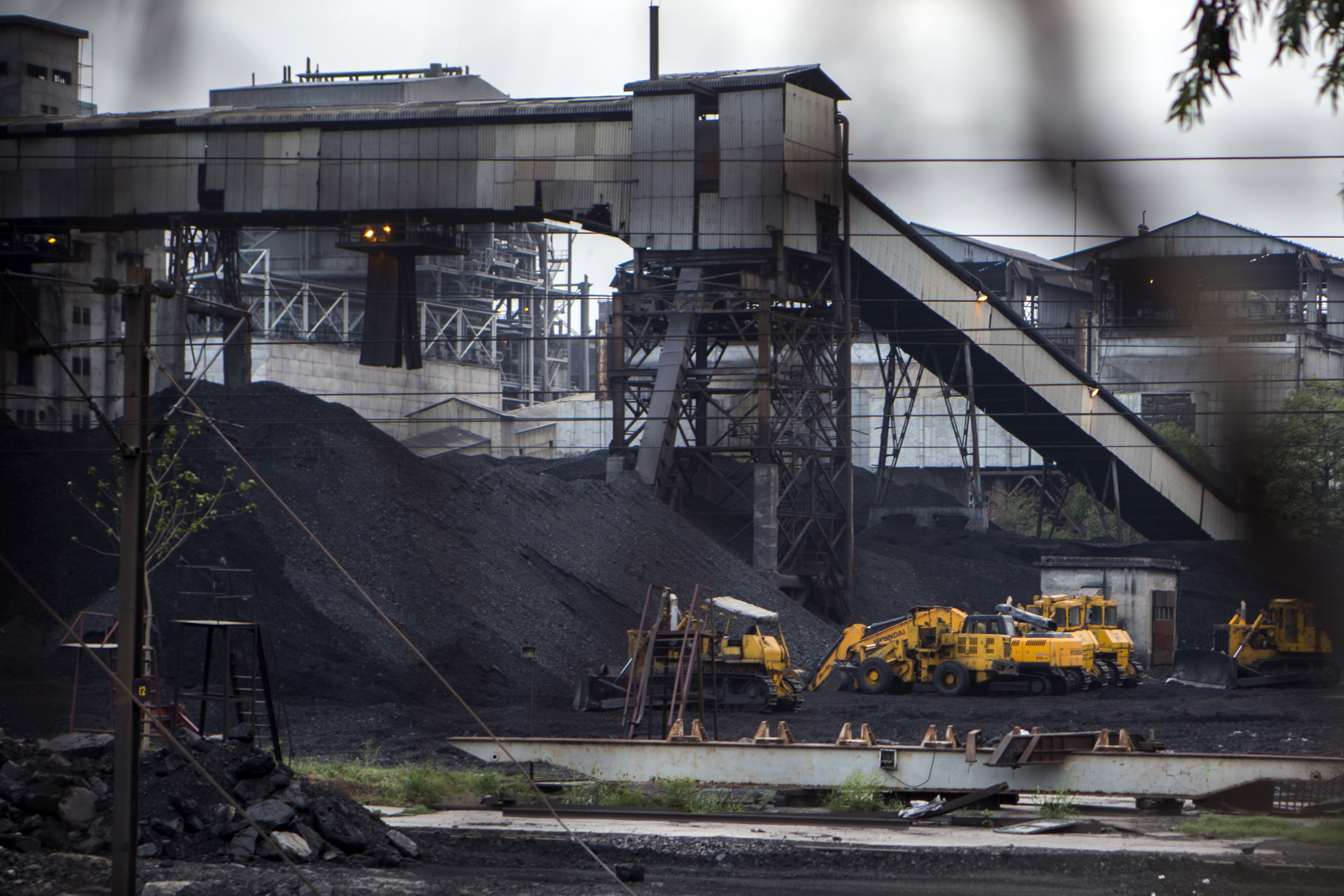
The Central Pollution Control Board wanted it to be closed by September, but it could not be done as the Jawaharlal Nehru Stadium, which hosted matches of the U-17 FIFA World Cup, drew electricity from the plant.
The EPCA said the two other thermal power plants in the region, at Dadri and Jhajjar, will also have to be shut if pollution reaches emergency levels and also directed that Bawana gas-based plant be run at full capacity.
The set of actions, which will kick in if the air quality aggravates, include the closure of hot mix plants functioning in Haryana and Uttar Pradesh, stone crushers in Haryana and Rajasthan, and industries using furnace oil and pet coke, which are rich in Sulphur, across the region.
Under the GRAP, measures under ‘very poor' and ‘severe' categories are rolled out when levels of PM2.5 are between 121-250 micrograms per cubic metre (µg/m3) and above 250 µg/m3 respectively. PM10 levels have to be between 351-430 µg/m3 PM10 levels add above 430 µg/m3 respectively.
The 24-hour-average safe standards of PM2.5 and PM10 are 60 and 100 respectively and anything beyond that can harm living beings as these pollutants measure up to 30 times tinier than the width of a human hair.
The severe plus or the emergency action plan under GRAP, which proposes a ban on construction activities, odd-even scheme, ban on entry of trucks and closure of schools, shall come into force when PM2.5 levels cross 300 µg/m3 or PM10 levels cross 500 µg/m3 (five times above the standard level) and persist for 48 hours or more.

-
We May Need Another Tukaram Mundhe To Fight Air Pollution | The Reason Why

Developers may install basic measures such as sprinklers and green nets, resume work, and continue violating rules when this equipment stops working.
-
Extracting Value From Battery Scrap Could Be Challenging For India | The Reason Why
A discarded lithium-ion battery still contains valuable materials such as lithium, nickel and cobalt. These can be recovered and reused. When such batteries are crushed and shredded, they produce a dark powder called black mass.
-
One El Nino, India Can Handle. Two Could Break The Granary
India's grain stocks can absorb one bad year, but a second El Nino could drain the buffer in two to three years, economists say.
-
India's Troika Of Good Luck | Joining The Dots
As Jensen Huang's exit drags Nvidia down, a cooling AI trade and resilient earnings have revived investor interest in India. A likely RBI rate hike looms.
-
Talking Points This Week: Leadership Shock At Nvidia, Earnings Strength, And The Fog Over Hormuz
The Anthropic IPO pricing and first trading day, Nvidia's upcoming earnings, and any fresh signals from Iran will set the tone for the following week.
-
Signature Play: The Classic Cocktail Is Dead. Or Is It?
Classic cocktails are disappearing from India's cocktail menus. But they're still being ordered, taught to bartenders and borrowed from. So, who's really having the last drink?
-
A New Samvat Wishlist: Inclusive Prosperity And Human Development
India has strengthened its economic foundations through infrastructure, digital access and enterprise. Its next growth chapter must deepen productivity, create better livelihoods and widen participation in prosperity.
-
Love, Sex Aur Dhokha: The Audacious Plot To Spy On Jensen Huang
A Taipei dinner, a Singapore chip buyer and a suspected Chinese asset: inside the alleged spy operation that got close to NVIDIA's Jensen Huang.
-
Ten Things I Learnt This Samvat
Patience can be a trap. Cheap stocks can stay cheap. Leverage can wipe you out. What did Samvat 2082 teach us? Niraj Shah writes on 10 lessons from the year gone by.
-
Talking Points This Week: Tech Nerves, FII Buying, And A Faraway Banking Shock
The global markets are not shining this Diwali. The exception in the large markets is, India.